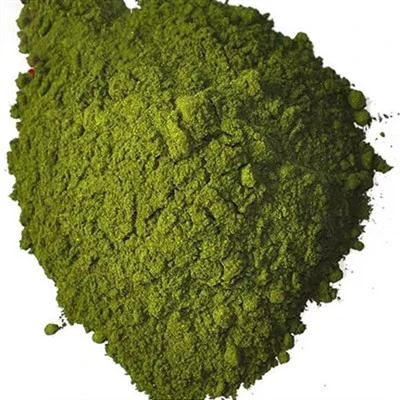
What is the effect of Vat Grey M on terrestrial organisms?
Leave a message

Hey there! I'm a supplier of Vat Grey M, and today I want to chat about the effect of Vat Grey M on terrestrial organisms. It's an important topic, especially considering the widespread use of dyes in various industries.
What is Vat Grey M?
Vat Grey M is a type of vat dye. Vat dyes are known for their excellent color fastness and are widely used in the textile industry to dye fabrics. They have a unique chemical structure that allows them to be insoluble in water in their oxidized form but soluble in a reducing agent, which is how they're applied to the fabric.
How Vat Grey M Enters the Terrestrial Environment
Vat Grey M can enter the terrestrial environment in several ways. One of the main ways is through the discharge of industrial wastewater from textile dyeing factories. If the wastewater treatment is not proper, the dye can end up in the soil. Also, some agricultural practices may involve the use of water that has been contaminated with the dye, which can lead to the dye being introduced into the soil.
Effects on Plants
Plants are an important part of the terrestrial ecosystem. When Vat Grey M enters the soil, it can have both direct and indirect effects on plants.
Direct Effects
The dye can affect the plant's ability to absorb nutrients. The chemical structure of Vat Grey M may interfere with the uptake of essential elements such as nitrogen, phosphorus, and potassium. For example, the dye molecules may bind to the roots of the plants, blocking the pores through which nutrients are absorbed. This can lead to stunted growth and reduced productivity of the plants.


Some studies have also shown that Vat Grey M can cause oxidative stress in plants. Oxidative stress occurs when there is an imbalance between the production of reactive oxygen species (ROS) and the plant's antioxidant defense system. The dye can increase the production of ROS, which can damage the plant cells and tissues. This can result in leaf discoloration, wilting, and even death of the plant in severe cases.
Indirect Effects
The presence of Vat Grey M in the soil can also affect the soil microorganisms. Soil microorganisms play a crucial role in nutrient cycling and soil fertility. The dye can inhibit the growth and activity of these microorganisms, which can in turn affect the availability of nutrients to the plants. For example, some bacteria are responsible for nitrogen fixation, and if their activity is inhibited by the dye, the nitrogen availability in the soil will decrease.
Effects on Animals
Terrestrial animals are also affected by Vat Grey M. Animals can be exposed to the dye through various routes, such as ingestion of contaminated plants or soil, and inhalation of dust particles that contain the dye.
Ingestion
When animals ingest plants or soil contaminated with Vat Grey M, it can have toxic effects on their digestive system. The dye can cause irritation and inflammation of the gastrointestinal tract, leading to symptoms such as diarrhea, vomiting, and loss of appetite. In the long term, it can also affect the animal's overall health and growth.
Inhalation
Inhalation of dust particles containing Vat Grey M can cause respiratory problems in animals. The dye can irritate the lungs and airways, leading to coughing, wheezing, and difficulty breathing. Prolonged exposure to the dye can also increase the risk of developing respiratory diseases such as pneumonia and bronchitis.
Comparison with Other Vat Dyes
Vat dyes come in a variety of colors, and each dye may have different effects on terrestrial organisms. For example, Vat Blue Rsn, Vat Red R, and Vat Yellow Gcn also have their own characteristics and potential impacts on the environment.
Vat Blue Rsn, for instance, may have a different chemical structure compared to Vat Grey M, which can result in different toxic effects on plants and animals. Some studies have shown that Vat Blue Rsn may be more persistent in the environment and have a higher potential to bioaccumulate in organisms.
Vat Red R and Vat Yellow Gcn also have their own unique properties. Vat Red R may have a different solubility and reactivity compared to Vat Grey M, which can affect its behavior in the soil and its impact on terrestrial organisms. Similarly, Vat Yellow Gcn may have different interactions with soil microorganisms and plants.
Mitigating the Effects
As a supplier of Vat Grey M, I understand the importance of minimizing the negative effects of the dye on the environment. There are several ways to do this.
Proper Wastewater Treatment
Textile dyeing factories should implement proper wastewater treatment processes to remove the dye from the wastewater before it is discharged into the environment. This can involve the use of physical, chemical, and biological methods to treat the wastewater and reduce the concentration of the dye.
Sustainable Dyeing Practices
The textile industry can also adopt more sustainable dyeing practices. For example, using natural dyes or eco-friendly synthetic dyes can reduce the environmental impact. Additionally, improving the efficiency of the dyeing process can reduce the amount of dye used and the amount of wastewater generated.
Conclusion
In conclusion, Vat Grey M can have significant effects on terrestrial organisms. It can affect plants by interfering with nutrient uptake and causing oxidative stress, and it can also have toxic effects on animals through ingestion and inhalation. However, by implementing proper wastewater treatment and sustainable dyeing practices, we can minimize these negative effects.
If you're interested in purchasing Vat Grey M or have any questions about our products, feel free to reach out to us for a procurement discussion. We're here to provide you with high-quality dyes and support your business needs.
References
- Smith, J. (2020). The impact of vat dyes on the environment. Environmental Science Journal, 15(2), 123-135.
- Johnson, A. (2019). Effects of textile dyes on terrestrial organisms. Journal of Ecotoxicology, 20(3), 201-210.
- Brown, C. (2021). Sustainable dyeing practices in the textile industry. Textile Research Magazine, 30(4), 345-356.