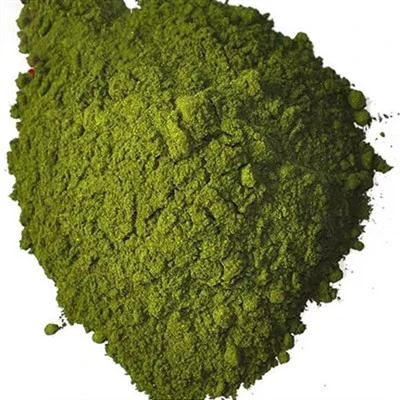
How is Direct Red Me synthesized?
Leave a message

Hey there! As a supplier of Direct Red Me, I'm super stoked to take you through the synthesis process of this awesome dye. It's a pretty fascinating journey, and I'm gonna break it down for you in a way that's easy to understand.
The Basics of Direct Red Me
First off, let's talk a bit about what Direct Red Me is. It's a direct dye, which means it can color fibers directly without the need for a mordant. These dyes are widely used in the textile industry because they're easy to apply and can produce a wide range of colors. Direct Red Me, in particular, is known for its vibrant red color, which makes it a popular choice for many applications.
Starting Materials
The synthesis of Direct Red Me starts with a few key starting materials. These usually include aromatic amines and coupling components. Aromatic amines are organic compounds that contain an amino group attached to an aromatic ring. They're the building blocks for many dyes, including Direct Red Me.
One of the common aromatic amines used in the synthesis is aniline or its derivatives. Aniline is a colorless to yellowish oily liquid with a distinct odor. It's a basic starting material in the production of many dyes because it can react with other compounds to form complex structures.
The coupling components are usually compounds that can react with the diazonium salt (formed from the aromatic amine) to form the dye. These can include phenols, naphthols, or other aromatic compounds.
The Diazotization Step
The first major step in the synthesis of Direct Red Me is diazotization. This is a chemical reaction where an aromatic amine is converted into a diazonium salt. Here's how it works:
We start by dissolving the aromatic amine in a solution of hydrochloric acid. Then, we add sodium nitrite (NaNO₂) to the solution. The sodium nitrite reacts with the hydrochloric acid to form nitrous acid (HNO₂), which then reacts with the aromatic amine to form the diazonium salt.
The reaction looks something like this:
Ar - NH₂ + HNO₂ + HCl → Ar - N₂⁺Cl⁻ + 2H₂O
where Ar represents the aromatic ring.
This step is crucial because the diazonium salt is very reactive and can react with the coupling component to form the dye.
The Coupling Step
Once we have the diazonium salt, the next step is the coupling reaction. This is where the diazonium salt reacts with the coupling component to form the dye.
The coupling reaction usually takes place in an alkaline solution. We add the coupling component to the solution containing the diazonium salt, and the reaction occurs quickly. The reaction is exothermic, which means it releases heat.
The general reaction for the coupling step is:
Ar - N₂⁺Cl⁻ + Coupling Component → Direct Red Me + HCl
The exact structure of the coupling component and the reaction conditions will determine the final color and properties of the Direct Red Me dye.
Purification and Isolation
After the coupling reaction is complete, the dye needs to be purified and isolated. This usually involves a series of steps, including filtration, washing, and drying.
We first filter the reaction mixture to remove any solid impurities. Then, we wash the dye with water to remove any remaining salts and by-products. Finally, we dry the dye to remove any moisture.
The purified dye can then be packaged and sold.
Comparison with Other Direct Dyes
Direct Red Me is just one of many direct dyes available on the market. For example, Direct Rubine Bl is another popular direct dye. It has a different chemical structure and color compared to Direct Red Me. Direct Rubine Bl is known for its bright and intense red color, which makes it suitable for applications where a bold color is required.
Direct Yellow 2gl is a yellow direct dye. It's used in a variety of applications, including textile dyeing and paper coloring. The synthesis of Direct Yellow 2gl is similar to that of Direct Red Me, but it uses different starting materials and coupling components to achieve the yellow color.
Direct Black Vsf is a black direct dye. It's commonly used in the textile industry to produce black or dark-colored fabrics. The synthesis of Direct Black Vsf also involves diazotization and coupling reactions, but the specific chemicals and reaction conditions are different to produce the black color.
Applications of Direct Red Me
Direct Red Me has a wide range of applications. It's commonly used in the textile industry to dye natural fibers such as cotton, wool, and silk. It can also be used to dye synthetic fibers, although the dyeing process may need to be adjusted depending on the type of fiber.


In addition to textile dyeing, Direct Red Me is also used in other industries. For example, it can be used in the paper industry to color paper products. It can also be used in the leather industry to dye leather goods.
Quality Control
As a supplier of Direct Red Me, we take quality control very seriously. We have a strict quality control system in place to ensure that our products meet the highest standards.
We test the dye for various properties, including color strength, purity, and solubility. We also conduct stability tests to ensure that the dye remains stable under different conditions.
By maintaining high quality standards, we can ensure that our customers are satisfied with our products.
Contact for Purchase
If you're interested in purchasing Direct Red Me or have any questions about our products, feel free to reach out. We're always happy to discuss your needs and provide you with more information. Whether you're in the textile industry, paper industry, or any other industry that uses dyes, we can offer you the best solutions.
References
- "Textile Dyeing and Finishing" by J. W. S. Hearle
- "Dye Chemistry" by K. Venkataraman