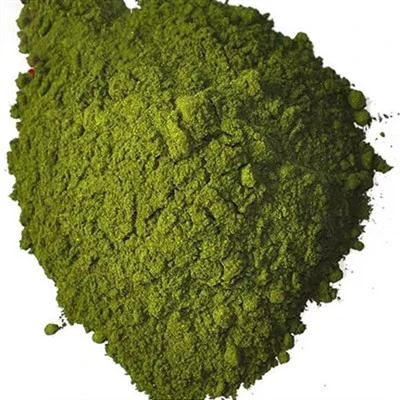
Can basic dyes be used for felt coloring?
Leave a message

Can basic dyes be used for felt coloring? That's a question I get asked a lot as a basic dyes supplier. And the answer is a resounding yes! Basic dyes can be a fantastic option for coloring felt, and in this blog, I'm gonna break down why that is, how it works, and some tips for getting the best results.
Why Basic Dyes are Great for Felt Coloring
First off, let's talk about what basic dyes are. Basic dyes are cationic dyes, which means they have a positive charge. This positive charge allows them to bond well with materials that have a negative charge, like felt. Felt is often made from natural fibers such as wool, and these fibers have a negative surface charge. When basic dyes come into contact with felt, the positive and negative charges attract each other, creating a strong bond. This results in vibrant, long - lasting colors on the felt.


Another advantage of using basic dyes for felt coloring is the wide range of colors available. You can find basic dyes in almost every color of the rainbow, from bright reds and blues to soft pastels. This gives you a lot of creative freedom when it comes to coloring your felt. Whether you're making a colorful felt wall hanging, a cute felt toy, or a stylish felt hat, basic dyes can help you achieve the exact color you want.
How to Use Basic Dyes for Felt Coloring
Now, let's get into the nitty - gritty of how to use basic dyes on felt. The first step is to prepare your dye bath. You'll need a large container, such as a pot or a bucket, and some hot water. The temperature of the water is important; it should be around 80 - 90°C (176 - 194°F) for most basic dyes.
Next, add the basic dye to the hot water and stir well until it's completely dissolved. The amount of dye you use will depend on how intense you want the color to be. You can start with a small amount and add more if needed.
Once your dye bath is ready, it's time to prepare your felt. Make sure the felt is clean and free of any dirt or debris. You can soak the felt in warm water for a few minutes to make it more receptive to the dye.
Then, carefully place the felt into the dye bath. Use a stirring rod or a pair of tongs to move the felt around in the dye bath, making sure that all parts of the felt are evenly coated with the dye. Keep the felt in the dye bath for about 15 - 30 minutes, depending on how dark you want the color to be.
After the desired time has passed, remove the felt from the dye bath and rinse it under cold water until the water runs clear. This will remove any excess dye. You can then dry the felt by laying it flat on a towel or hanging it up to air dry.
Some Popular Basic Dyes for Felt Coloring
There are many different basic dyes available, but some are more commonly used for felt coloring than others. For example, Basic Green 4 Factory Sell is a popular choice for creating bright, vivid green colors on felt. It has a strong color intensity and good lightfastness, which means the color will stay vibrant for a long time.
Basic Blue9 is another great option. It can produce beautiful shades of blue, from light sky blue to deep navy. This dye is also known for its excellent color fastness, making it suitable for felt items that will be exposed to sunlight or regular use.
If you're looking for a unique color, you might consider Competitive Malachite Green Liquid Price: Wholesale Direct To India And Pakistan Markets. Malachite green is a rich, greenish - blue color that can add a touch of elegance to your felt projects.
Tips for Getting the Best Results
To get the best results when using basic dyes for felt coloring, here are a few tips:
- Pre - treat the felt: As mentioned earlier, soaking the felt in warm water before dyeing can help it absorb the dye more evenly. You can also add a small amount of vinegar to the water to help set the color.
- Stir the dye bath: Make sure to stir the dye bath regularly while the felt is in it. This will ensure that the color is evenly distributed on the felt.
- Test the color: Before dyeing a large piece of felt, it's a good idea to test the dye on a small scrap of the same type of felt. This will allow you to see how the color turns out and make any adjustments if needed.
- Use proper safety precautions: Basic dyes can be toxic, so it's important to wear gloves and a mask when handling them. Also, make sure to work in a well - ventilated area.
Conclusion
In conclusion, basic dyes are a great option for felt coloring. They offer a wide range of colors, strong color bonds, and good color fastness. Whether you're a professional crafter or just someone who enjoys making felt projects at home, basic dyes can help you create beautiful, long - lasting colors on your felt.
If you're interested in purchasing basic dyes for your felt coloring projects, I'd love to talk to you. We have a wide selection of high - quality basic dyes at competitive prices. Don't hesitate to reach out and start a conversation about your specific needs. Let's work together to bring your felt projects to life with vibrant colors!
References
- "The Chemistry of Dyes and Pigments" by Henry A. Lubs
- "Textile Dyeing and Finishing" by S. M. Al - Mamun