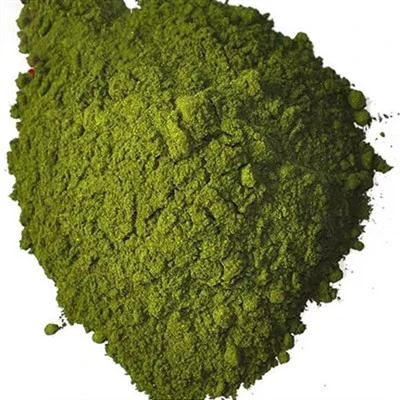
How to dye wool with sulphur dyes?
Leave a message

Dyeing wool with sulphur dyes is a fascinating process that combines science and art to create vibrant, long - lasting colors. As a supplier of high - quality sulphur dyes, I'm excited to share with you the step - by - step guide on how to achieve beautiful results when dyeing wool.
Understanding Sulphur Dyes
Sulphur dyes are a class of dyes known for their excellent colorfastness and affordability. They are typically used for dyeing cellulosic fibers like cotton, but they can also be used on wool with some modifications to the process. Sulphur dyes are insoluble in water in their oxidized form. They need to be reduced to their soluble leuco form before they can be applied to the fiber.
Preparing the Wool
Before dyeing, it's crucial to prepare the wool properly. First, wash the wool to remove any dirt, oils, or other impurities. You can use a mild wool detergent and lukewarm water. Gently agitate the wool in the soapy water, then rinse thoroughly until the water runs clear. Squeeze out the excess water gently; do not wring the wool as it can cause damage.
Selecting the Right Sulphur Dye
There are various types of sulphur dyes available, each offering different colors and properties. For example, Sulphur Black BR (Sulphur Black 1) is a popular choice for achieving deep black colors. If you're looking for something more unique, you might consider Fluorescent Ink Special Dye — Solvent Green 7, which can create eye - catching fluorescent effects.
Reducing the Sulphur Dye
The next step is to reduce the sulphur dye to its soluble form. This is usually done by using a reducing agent such as sodium sulphide. In a separate container, dissolve the reducing agent in warm water according to the manufacturer's instructions. Then, add the sulphur dye to the reducing solution and stir well. The mixture should be heated gently while stirring continuously until the dye is completely dissolved and reduced. The solution will change color, indicating that the dye has been converted to its leuco form.
Dyeing the Wool
Once the dye is in its reduced form, it's time to dye the wool. Place the prepared wool into the dye bath. Make sure the wool is fully submerged in the dye solution. You can use a wooden or plastic stick to gently move the wool around to ensure even dyeing. The temperature of the dye bath is an important factor. For wool, a temperature of around 80 - 90°C is usually recommended. Keep the wool in the dye bath for about 30 - 60 minutes, depending on the desired color intensity.


Oxidizing the Dye
After the dyeing process, the wool needs to be oxidized to convert the dye back to its insoluble form. This can be done by rinsing the wool in a solution of hydrogen peroxide or a mild acid. The oxidation process will lock the color into the wool fibers, making it more colorfast. Rinse the wool thoroughly with clean water after oxidation to remove any excess chemicals.
Rinsing and Finishing
Finally, rinse the dyed wool several times with clean water to remove any remaining dye or chemicals. You can also add a fabric softener to make the wool feel softer and more comfortable. After rinsing, gently squeeze out the excess water and lay the wool flat to dry. Avoid hanging the wool as it can cause stretching.
Tips for Successful Dyeing
- Consistency is Key: Make sure to follow the instructions carefully and maintain consistent conditions throughout the dyeing process. This includes the temperature, the concentration of the dye and reducing agent, and the dyeing time.
- Test First: Before dyeing a large batch of wool, it's a good idea to test the dye on a small sample of wool. This will help you determine the right color and dyeing conditions.
- Safety Precautions: Sulphur dyes and reducing agents can be harmful if not handled properly. Wear gloves, goggles, and a mask when working with these chemicals. Make sure to work in a well - ventilated area.
Troubleshooting
- Uneven Dyeing: If you notice uneven dyeing, it could be due to improper stirring or insufficient immersion of the wool in the dye bath. Try gently moving the wool around in the dye bath to ensure even coverage.
- Color Fading: If the color fades after washing, it might be because the oxidation process was not done correctly. Make sure to follow the oxidation steps carefully to ensure colorfastness.
Conclusion
Dyeing wool with sulphur dyes is a rewarding process that allows you to create unique and beautiful colors. As a sulphur dyes supplier, we are committed to providing high - quality dyes and supporting you throughout the dyeing process. If you're interested in purchasing our sulphur dyes or have any questions about the dyeing process, we encourage you to contact us for further discussion. We look forward to helping you achieve your dyeing goals.
References
- "Textile Dyeing and Finishing" by W. S. Atkinson
- "The Chemistry of Synthetic Dyes" by K. Venkataraman