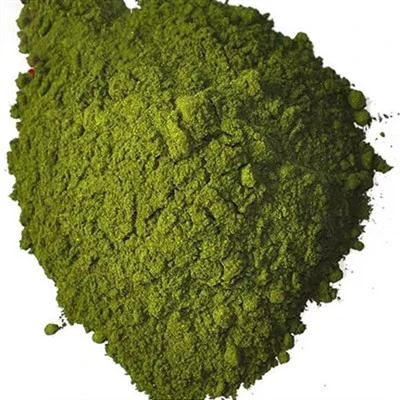
How to analyze the quality of vat dyes?
Leave a message

As a seasoned vat dyes supplier, I understand the critical importance of analyzing the quality of vat dyes. Vat dyes are widely used in the textile industry due to their excellent color fastness and resistance to fading. In this blog, I will share some key methods and considerations for analyzing the quality of vat dyes.
1. Physical and Chemical Properties Analysis
Solubility
The solubility of vat dyes is a crucial factor. Good - quality vat dyes should have appropriate solubility in the reducing agent solution. We can test the solubility by adding a certain amount of the dye into a standard reducing solution at a specific temperature and stirring for a set period. If the dye dissolves completely or forms a homogeneous solution with minimal undissolved particles, it indicates better solubility. For example, Vat Yellow Gcn should dissolve well in a caustic soda and sodium hydrosulfite reducing solution, which is essential for the dyeing process.
Particle Size
The particle size of vat dyes affects their dispersion and application performance. Smaller particle sizes generally lead to better dispersion and more uniform dyeing. We can use a particle size analyzer to measure the particle size distribution of the dyes. A narrow particle size distribution is often preferred, as it ensures consistent dyeing results.


Purity
The purity of vat dyes is directly related to their quality. Impurities can affect the color shade, fastness, and overall performance of the dye. Chromatographic techniques such as high - performance liquid chromatography (HPLC) can be used to determine the purity of the dyes. By analyzing the peaks in the chromatogram, we can identify and quantify the impurities present in the dye sample.
2. Color Analysis
Color Shade
The color shade of vat dyes is a primary concern for customers. We can use a spectrophotometer to measure the color characteristics of the dyes, including the hue, chroma, and lightness. Comparing the measured color data with the standard color samples helps us ensure that the dyes meet the required color specifications. For instance, Vat Red R should have a specific red shade that is consistent with the industry standards.
Color Fastness
Color fastness is one of the most important quality indicators of vat dyes. There are several types of color fastness tests, including fastness to washing, light, rubbing, and perspiration.
- Washing Fastness: This test simulates the washing process of dyed textiles. The dyed fabric is washed under specific conditions, and then the change in color and the staining of adjacent fabrics are evaluated according to standard color - change and staining gray scales.
- Light Fastness: The dyed fabric is exposed to a specific light source for a certain period, and the degree of color fading is measured. High - quality vat dyes should have good light fastness to ensure that the dyed products maintain their color for a long time.
- Rubbing Fastness: The dyed fabric is rubbed with a white cloth under a certain pressure, and the staining of the white cloth is used to evaluate the rubbing fastness.
- Perspiration Fastness: This test involves treating the dyed fabric with artificial perspiration solutions (acidic and alkaline) and then evaluating the color change and staining as in the washing fastness test.
3. Application Performance Analysis
Dyeing Efficiency
The dyeing efficiency of vat dyes is an important aspect of their quality. It can be evaluated by measuring the amount of dye adsorbed on the fabric and the color yield. A higher dyeing efficiency means that less dye is required to achieve the desired color depth, which is cost - effective for the textile manufacturers. We can calculate the dyeing efficiency by comparing the initial and final concentrations of the dye in the dyeing bath.
Compatibility
When using multiple vat dyes in a single dyeing process, their compatibility is crucial. Incompatible dyes may cause color irregularities, such as streaks or uneven color distribution. We can test the compatibility of different dyes by mixing them in the dyeing bath and observing the dyeing results on the fabric.
4. Stability Analysis
Storage Stability
Vat dyes should have good storage stability to maintain their quality over time. Factors such as temperature, humidity, and light can affect the stability of the dyes. We can conduct accelerated aging tests by storing the dyes under elevated temperature and humidity conditions for a certain period and then analyzing their physical and chemical properties and color characteristics. If the dyes show significant changes in solubility, color shade, or other properties after the aging test, it indicates poor storage stability.
Chemical Stability
Vat dyes should be chemically stable under normal dyeing and processing conditions. They should not react with other chemicals in the dyeing bath or during the finishing process. For example, they should be resistant to oxidation and hydrolysis. We can test the chemical stability by exposing the dyes to different chemical environments and monitoring their stability over time.
5. Environmental and Safety Considerations
In today's market, environmental and safety aspects are also important factors in evaluating the quality of vat dyes. Vat dyes should comply with relevant environmental regulations, such as restrictions on heavy metals and other harmful substances. We can conduct chemical analysis to ensure that the dyes meet the environmental standards. Additionally, the safety of the dyes during handling and use is crucial. We should provide proper safety instructions and ensure that the dyes are packaged and labeled correctly.
Conclusion
Analyzing the quality of vat dyes is a comprehensive process that involves multiple aspects, including physical and chemical properties, color characteristics, application performance, stability, and environmental and safety considerations. By using scientific and reliable testing methods, we can ensure that the vat dyes we supply meet the high - quality standards required by the textile industry.
If you are interested in our vat dyes or have any questions about their quality analysis, please feel free to contact us for further discussion and procurement negotiations. We are committed to providing high - quality vat dyes and excellent customer service.
References
- Textile Dyeing and Finishing Technology, Second Edition, by Xungai Wang and Jinlian Hu.
- Handbook of Textile and Industrial Dyeing, Volume 1: Principles, Processes and Types of Dyes, edited by Michael Lewis.
- Color Chemistry: Syntheses, Properties and Applications of Organic Dyes and Pigments, Third Edition, by Klaus Hunger.