What are the differences between cationic dyes and acid dyes?
Leave a message

Hey there! As a supplier of cationic dyes, I often get asked about the differences between cationic dyes and acid dyes. It's a pretty common question, especially for those who are new to the world of dyes. So, I thought I'd take a few minutes to break it down for you and explain what sets these two types of dyes apart.
Chemical Structure and Charge
Let's start with the basics: chemical structure and charge. Cationic dyes, as the name suggests, are positively charged. They're made up of organic salts with a positively charged chromophore. This positive charge is what allows them to bond with negatively charged fibers, like acrylic and modacrylic. On the other hand, acid dyes are negatively charged. They're usually salts of sulfonic or carboxylic acids, and they work well with fibers that have a positive charge, such as wool, silk, and nylon.


The difference in charge is a big deal because it determines which fibers each type of dye can color effectively. For example, if you try to use an acid dye on acrylic, it won't stick very well because the negative charges on the dye and the fiber will repel each other. But if you use a cationic dye on acrylic, the positive and negative charges will attract, creating a strong bond and a vibrant color.
Color and Shade Range
When it comes to color and shade range, both cationic and acid dyes have a lot to offer. However, there are some differences. Cationic dyes are known for their bright, intense colors. They can produce really vivid shades, especially in the red, blue, and yellow families. For instance, our Cationic Yellow 40 is a super bright yellow that can really make a statement. And our Cationic Violet 16 is a deep, rich violet that's perfect for creating a luxurious look.
Acid dyes, on the other hand, tend to have a wider range of pastel and muted shades. They're great for creating soft, subtle colors, as well as more complex, nuanced tones. You can get some really beautiful earthy and natural-looking colors with acid dyes, which are popular in the fashion and home decor industries.
Dyeing Process
The dyeing process for cationic and acid dyes is also quite different. Cationic dyes are typically used in a neutral to slightly acidic bath. The dyeing process usually involves heating the dye bath to a specific temperature and then adding the fibers. The positive charge on the cationic dye allows it to quickly and easily bond with the negatively charged fibers. This means that the dyeing process can be relatively fast, and you can get good color penetration and coverage.
Acid dyes, on the other hand, require an acidic bath. The acid helps to open up the fibers and allow the dye to penetrate. The dyeing process for acid dyes is often more time-consuming and requires more careful control of the temperature and pH. You also need to make sure that the fibers are properly prepared before dyeing to ensure good color uptake.
Fastness Properties
Fastness properties refer to how well a dye resists fading, bleeding, and other forms of color loss. Both cationic and acid dyes have good fastness properties, but there are some differences. Cationic dyes generally have excellent light fastness, which means they don't fade easily when exposed to sunlight. They also have good wash fastness, so the color won't bleed or fade too much when the dyed fabric is washed.
Acid dyes also have good light and wash fastness, but their performance can vary depending on the specific dye and the type of fiber. Some acid dyes may fade more quickly in sunlight or bleed more during washing, especially if they're not properly fixed.
Applications
The differences in chemical structure, color range, dyeing process, and fastness properties mean that cationic and acid dyes are used in different applications. Cationic dyes are mainly used for dyeing acrylic and modacrylic fibers. These fibers are commonly used in the production of carpets, upholstery, and synthetic fabrics. The bright, intense colors and good fastness properties of cationic dyes make them ideal for these applications.
Acid dyes, on the other hand, are used for dyeing natural fibers like wool, silk, and nylon, as well as some synthetic fibers that can be dyed under acidic conditions. They're popular in the fashion industry for dyeing clothing, as well as in the home decor industry for dyeing curtains, bedding, and other textiles.
Cost
Cost is another factor to consider when choosing between cationic and acid dyes. Cationic dyes tend to be more expensive than acid dyes. This is partly because the raw materials used to make cationic dyes are more costly, and the production process is more complex. However, the higher cost of cationic dyes is often justified by their superior performance, especially in terms of color intensity and fastness properties.
Acid dyes are generally more affordable, which makes them a popular choice for applications where cost is a major factor. However, you need to make sure that the acid dyes you choose have the right fastness properties for your specific application, as cheaper dyes may not perform as well.
Compatibility and Mixing
When it comes to compatibility and mixing, there are some important differences between cationic and acid dyes. Cationic dyes are generally not compatible with anionic substances, including acid dyes. If you try to mix a cationic dye with an acid dye, the positive and negative charges will react, causing the dyes to precipitate and form a solid mass. This can ruin the dye bath and make it impossible to achieve a uniform color.
Acid dyes, on the other hand, can be mixed with each other to create custom colors. You just need to make sure that the dyes you're mixing have similar fastness properties and are compatible with the fibers you're dyeing.
Conclusion
So, there you have it! The main differences between cationic dyes and acid dyes. As a supplier of cationic dyes, I'm obviously a big fan of these vibrant, high-performance dyes. But I also understand that acid dyes have their own unique advantages and are the right choice for many applications.
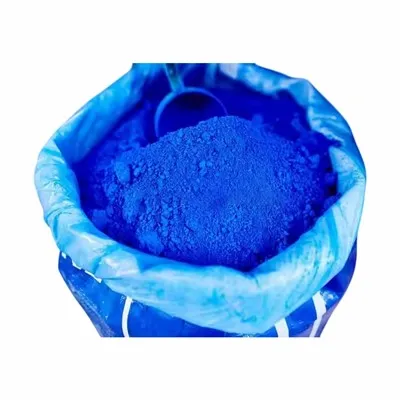
If you're looking for high-quality cationic dyes for your acrylic or modacrylic dyeing needs, we've got you covered. Our Cationic Blue 159 is a great example of the kind of bright, long-lasting color you can achieve with our products.
If you're interested in learning more about our cationic dyes or have any questions about the dyeing process, don't hesitate to reach out. We're always happy to help and can provide you with more information and samples. Whether you're a small business or a large manufacturer, we can work with you to find the right dye solutions for your needs. So, let's start a conversation and see how we can help you achieve the perfect color for your products!
References
- Lewis, D. M. (2007). The dyeing of synthetic fibres. Woodhead Publishing.
- Shore, J. (1990). Cellulosic fibres. In J. Shore (Ed.), Chemical principles of textile colouration (pp. 23-76). Society of Dyers and Colourists.