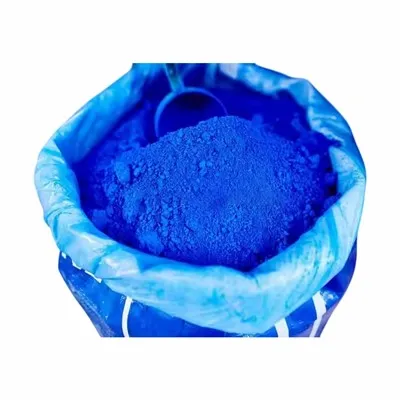
What are the safety precautions when handling Acid Red 87?
Leave a message

Yo! I'm a supplier of Acid Red 87, and I know a thing or two about handling this stuff safely. Acid Red 87 is a commonly used acid dye, and while it's super useful in various industries, it also comes with its own set of risks. So, let's dive into the safety precautions you need to take when dealing with this dye.
Personal Protective Equipment (PPE)
First things first, you gotta suit up with the right PPE. This is non - negotiable. When you're handling Acid Red 87, you should wear chemical - resistant gloves. These gloves act as a barrier between your skin and the dye, preventing any direct contact. I've seen way too many people skip this step and end up with skin irritations. Trust me, it's not worth it.
Next up, safety goggles are a must. Acid Red 87 can cause serious eye damage if it splashes into your eyes. So, make sure your goggles fit well and cover your eyes completely. You don't want to risk losing your vision over a simple oversight.


A lab coat or a chemical - resistant apron is also essential. This protects your clothes and body from spills. Some people like to think they're too careful to have a spill, but accidents happen. It's better to be safe than sorry.
Handling and Storage
When it comes to handling Acid Red 87, always use proper tools. Spatulas, funnels, and measuring devices made of materials that are resistant to acid dyes are ideal. Avoid using tools that can react with the dye or cause contamination.
Make sure you're working in a well - ventilated area. Acid Red 87 can release fumes, and inhaling these fumes can be harmful to your respiratory system. If you're working indoors, use a fume hood. It sucks up all the bad stuff and keeps the air clean for you to breathe.
When storing Acid Red 87, keep it in a cool, dry place away from direct sunlight. Make sure the containers are tightly sealed to prevent any spills or leaks. It's also a good idea to store it separately from other chemicals, especially those that can react with it. For instance, avoid storing it near strong oxidizing agents or alkalis.
Spill and Leak Procedures
Let's say, despite all your precautions, there's a spill. Don't panic! First, evacuate the area immediately if the spill is large. If it's a minor spill, put on extra PPE like a face mask to avoid inhaling any dust from the spilled dye.
Use an absorbent material like sand or vermiculite to soak up the spill. Once you've absorbed it, carefully scoop it up and put it in a sealed container. Label the container properly so that everyone knows what's inside.
After cleaning up the spill, wash the area thoroughly with water and a mild detergent. This helps to remove any traces of the dye and reduces the risk of future contamination.
If there's a leak from a container, try to stop the leak as soon as possible. You can use a patch or a sealant if it's a small leak. But if the leak is significant, it's best to call in the experts.
First Aid Measures
If Acid Red 87 comes into contact with your skin, immediately remove any contaminated clothing and wash the affected area with plenty of water for at least 15 minutes. If you have any skin irritation or other symptoms, seek medical attention right away.
In case of eye contact, hold your eyes open and rinse them gently with water for at least 20 minutes. Don't rub your eyes, as this can make the situation worse. After rinsing, get to a doctor as soon as possible.
If someone inhales the fumes from Acid Red 87, move them to an area with fresh air. If they're having trouble breathing, call emergency services immediately.
Compatibility with Other Substances
It's important to know what Acid Red 87 can and can't be mixed with. As I mentioned earlier, it shouldn't be mixed with strong oxidizing agents or alkalis. Mixing it with these substances can cause chemical reactions that may be dangerous, like releasing toxic gases or causing explosions.
If you're thinking about using Acid Red 87 in combination with other dyes, do a small - scale test first. For example, if you're considering using it with Acid Black Att, Acid Blue 7, or Acid Blue 9, make sure they're compatible. You don't want to end up with a useless or even dangerous mixture.
Training and Education
All employees who handle Acid Red 87 should receive proper training. This training should cover everything from the properties of the dye, how to use PPE correctly, handling and storage procedures, and what to do in case of an emergency.
Regular refresher courses are also a good idea. Things change, and new safety information may become available. By keeping your employees up - to - date, you're reducing the risk of accidents.
Disposal
When it's time to dispose of Acid Red 87, don't just throw it in the trash. It's a hazardous substance, and improper disposal can harm the environment. Follow local regulations for the disposal of hazardous chemicals. Usually, you'll need to take it to a specialized waste disposal facility.
Conclusion
Handling Acid Red 87 safely is all about being prepared and taking the right precautions. By following the steps I've outlined above, you can minimize the risks associated with this dye. Whether you're a small - scale user or a large - scale manufacturer, safety should always be your top priority.
If you're in the market for high - quality Acid Red 87, I'm here to help. I've got a great supply of this dye, and I can offer you competitive prices. Just reach out for a chat about your requirements, and we can work something out.
References
- Handbook of Industrial Dyes
- Safety Guidelines for Chemical Handling in the Dyeing Industry