Can liquid dyes be used for dyeing felt?
Leave a message

As a supplier of liquid dyes, I often receive inquiries from customers about the suitability of our products for various materials. One question that comes up quite frequently is whether liquid dyes can be used for dyeing felt. In this blog post, I'll delve into this topic in detail, exploring the feasibility, process, and considerations of using liquid dyes on felt.
Understanding Felt and Liquid Dyes
Felt is a non - woven fabric made by matting, condensing, and pressing fibers together. It can be crafted from natural fibers such as wool or synthetic fibers like acrylic. Its unique structure gives it properties like durability, softness, and good heat retention.
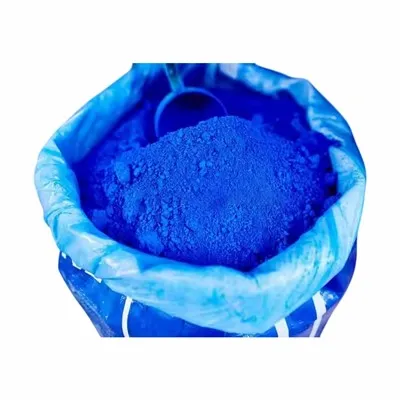
Liquid dyes, on the other hand, are water - based colorants that offer several advantages. They are easy to handle, can be precisely measured, and are highly soluble in water, which allows for even distribution of color. Our range of liquid dyes includes Liquid Malachite Green, Liquid Indigo Blue, and Liquid Rhodamine B, each with its own distinct hue and characteristics.
Feasibility of Using Liquid Dyes on Felt
The answer to whether liquid dyes can be used for dyeing felt is a resounding yes. Liquid dyes are well - suited for felt due to their ability to penetrate the porous structure of the felt fibers. The water - soluble nature of liquid dyes enables them to seep into the individual fibers, resulting in a more permanent and uniform coloration compared to some other types of dyes.
When dyeing natural fiber felts like wool, the chemical composition of the fibers allows for a good affinity with the liquid dyes. Wool fibers have amino and carboxyl groups that can form chemical bonds with the dye molecules, enhancing the color fastness. Synthetic fiber felts can also be dyed with liquid dyes, although the process might be slightly different, as synthetic fibers have different chemical properties.
The Dyeing Process
Preparation
Before starting the dyeing process, it is essential to prepare the felt and the dye solution. First, clean the felt to remove any dirt, oil, or debris that could interfere with the dyeing process. You can do this by gently washing the felt in lukewarm water with a mild detergent and then rinsing it thoroughly.
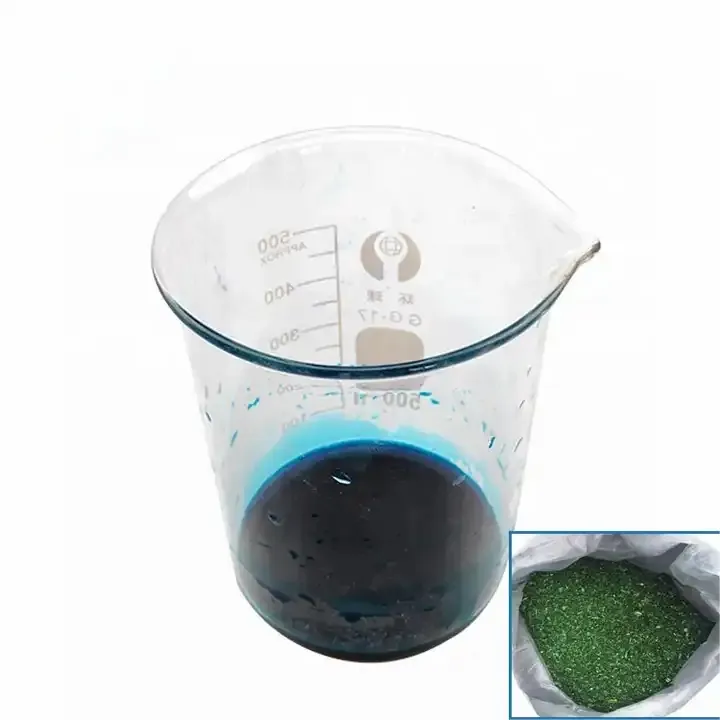

Next, prepare the dye solution. The amount of dye needed depends on the desired color intensity and the size of the felt piece. Follow the instructions provided with the liquid dye to determine the appropriate ratio of dye to water. For example, if you are using Liquid Indigo Blue to achieve a deep blue color, you may need a higher concentration of the dye in the solution.
Dyeing
Once the felt is clean and the dye solution is ready, you can start the dyeing process. Submerge the felt completely in the dye solution. Stir the felt gently in the solution to ensure even distribution of the dye. The temperature of the dye solution can affect the dyeing process. For natural fiber felts like wool, a warm dye bath (around 60 - 80°C) is often recommended to help the dye molecules bond with the fibers more effectively.
The dyeing time also plays a crucial role in determining the final color. The longer the felt remains in the dye solution, the darker and more intense the color will be. Keep a close eye on the color development and remove the felt from the dye bath when you reach the desired shade.
Rinsing and Fixing
After dyeing, rinse the felt thoroughly in cool water to remove any excess dye. Start with cold water and gradually increase the temperature as you rinse to prevent the dye from bleeding. Once the water runs clear, you can fix the dye to improve its color fastness. There are various fixing agents available, and the choice depends on the type of fiber and the dye used. For example, for wool felt dyed with our liquid dyes, a mild acid fixative can be used.
Considerations
Color Fastness
Color fastness is an important consideration when dyeing felt with liquid dyes. Factors such as the type of fiber, the dye used, and the dyeing process can all affect the color fastness. Natural fiber felts generally have better color fastness when dyed with liquid dyes compared to synthetic fiber felts. However, to ensure long - lasting color, it is important to follow the proper dyeing and fixing procedures.
Safety
When working with liquid dyes, safety should always be a top priority. Wear gloves, goggles, and a protective apron to avoid contact with the dye solution. Some dyes may be toxic if ingested or inhaled in large quantities, so work in a well - ventilated area. Follow the safety instructions provided with the dye carefully.
Compatibility
It is crucial to consider the compatibility between the felt and the liquid dye. Different types of felts may require different types of dyes or dyeing methods. For example, some synthetic fiber felts may need a special pre - treatment to improve the dye uptake. Before dyeing a large piece of felt, it is advisable to test the dye on a small, inconspicuous area to ensure compatibility and satisfactory results.
Conclusion
In conclusion, liquid dyes can be effectively used for dyeing felt. They offer the advantages of easy handling, even color distribution, and the ability to achieve a wide range of colors. Whether you are working with natural or synthetic fiber felts, with the proper preparation, dyeing process, and considerations, you can achieve beautiful and long - lasting results.
If you are interested in purchasing our high - quality liquid dyes for your felt dyeing projects, please feel free to contact us. Our team of experts is ready to assist you with any questions you may have and guide you through the purchasing process. We look forward to working with you to bring your creative ideas to life.
References
- "Textile Dyeing and Finishing" by Lewis, M.
- "The Chemistry of Dyes and Pigments" by Zollinger, H.