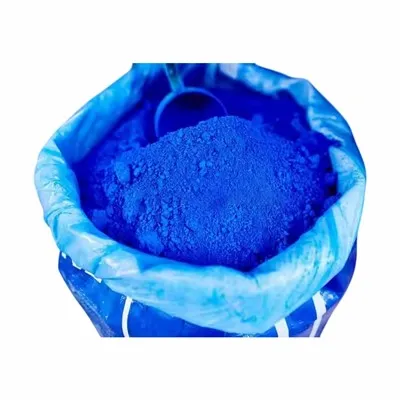
How does Vat Red R affect the environment?
Leave a message

As a supplier of Vat Red R, I've been closely observing how this dye impacts the environment. Vat Red R is a widely used synthetic dye known for its vibrant color and strong color - fastness. It finds extensive applications in the textile and leather industries, where it helps create eye - catching, long - lasting products. But with its wide - scale use, it's essential to understand its environmental consequences.
Environmental Impact During Production
The production process of Vat Red R is complex and involves multiple chemical reactions. These reactions often require large amounts of raw materials, energy, and water. The extraction of raw materials can lead to habitat destruction, especially if the sources are not sustainably managed. For example, some of the chemicals used in its synthesis might be derived from petroleum, the extraction of which can cause oil spills and damage to marine ecosystems.
Energy consumption in the production plants is another significant concern. Most of these plants rely on non - renewable energy sources like coal, oil, and natural gas. Burning these fossil fuels releases large amounts of greenhouse gases, such as carbon dioxide, into the atmosphere. Increased levels of carbon dioxide contribute to global warming, leading to climate change, which has far - reaching effects on weather patterns, sea - level rise, and biodiversity loss.


The large volume of water used in the production of Vat Red R is also a problem. After the manufacturing process, the water is often contaminated with various chemicals, heavy metals, and dyes. If this wastewater is not properly treated before being discharged into water bodies, it can have severe consequences. The dyes can block sunlight from reaching the aquatic plants, disrupting photosynthesis. Heavy metals like lead, mercury, and cadmium can accumulate in the tissues of aquatic organisms. When these organisms are consumed by other animals in the food chain, the heavy metals can be passed on, leading to bio - magnification. This can result in health problems for both wildlife and humans who rely on these water sources.
Impact on Water Bodies During Use
When textiles or leather products dyed with Vat Red R are washed, a certain amount of the dye is released into the wastewater. This wastewater often ends up in sewage systems and eventually in rivers, lakes, or the ocean. The presence of Vat Red R in water bodies can cause aesthetic pollution. The bright color of the dye changes the natural color of the water, which is not only an eyesore but can also indicate the presence of other pollutants.
The dye can also have a negative impact on the aquatic ecosystem. It can reduce the dissolved oxygen levels in the water. Microorganisms in the water try to break down the dye, and during this process, they consume oxygen. If the oxygen levels are too low, fish and other aquatic organisms may suffocate and die. Additionally, the dye can interfere with the reproductive systems of some aquatic animals and plants, leading to a decline in their populations.
Air Pollution and Other Indirect Effects
During the drying and processing of Vat Red R - dyed products, some of the dye particles can become airborne. These particles can be inhaled by humans and animals. Inhalation of fine dye particles can cause respiratory problems such as coughing, wheezing, and shortness of breath. Long - term exposure may even lead to more serious health conditions like lung cancer and other respiratory diseases.
Moreover, the production and use of Vat Red R can have indirect impacts on the environment through the demand for supporting infrastructure. For example, the transportation of raw materials to the production plants and the finished products to the market requires vehicles that burn fossil fuels, further contributing to air pollution and greenhouse gas emissions.
Comparison with Other Vat Dyes
When considering the environmental impact of Vat Red R, it's useful to compare it with other vat dyes such as Vat Blue Rsn, Vat Grey M, and Vat Green Ffb. Each of these dyes has its own chemical composition and production process, which result in different environmental footprints.
Vat Blue Rsn may have a different set of raw materials and reaction conditions in its production. Some research has shown that it might be more difficult to break down in the environment compared to Vat Red R, leading to longer - term persistence in water bodies. On the other hand, Vat Grey M may require a different energy - intensive process, and its use may release different types of pollutants, such as certain heavy metals or organic compounds, that have their own unique environmental impacts.
Vat Green Ffb, due to its specific chemical structure, may pose a different risk to aquatic life. For instance, it may be more toxic to certain types of algae or small invertebrates, which play crucial roles in the aquatic food chain.
Mitigation Strategies
As a supplier, I am aware of the environmental issues associated with Vat Red R and am committed to promoting and implementing mitigation strategies.
One approach is to improve the production process. By using more efficient chemical reactions, we can reduce the consumption of raw materials and energy. For example, adopting new catalysts or reaction conditions can lead to higher yields with less waste. Additionally, using renewable energy sources like solar or wind power in the production plants can significantly reduce greenhouse gas emissions.
For wastewater treatment, advanced treatment technologies can be employed. Membrane filtration, activated carbon adsorption, and biological treatment methods can effectively remove dyes and other contaminants from the wastewater before it is discharged. This not only protects water bodies but also allows for the reuse of water in the production process, reducing the overall water consumption.
Another important strategy is to educate our customers. By providing them with information on how to handle and dispose of products dyed with Vat Red R properly, we can minimize the environmental impact at the end - user level. For example, suggesting the use of environmentally friendly detergents and proper washing methods can reduce the amount of dye released into the wastewater.
Call to Action
Despite the environmental challenges associated with Vat Red R, it still has its place in the industry due to its excellent dyeing properties. If you are in the textile, leather, or other related industries and are looking for a reliable supplier of high - quality Vat Red R, I invite you to contact me for a procurement discussion. We can work together to find the best solutions that balance your business needs with environmental protection.
References
- Smith, A. (2020). "Environmental Impacts of Synthetic Dyes in the Textile Industry". Journal of Environmental Science, 15(2), 89 - 102.
- Johnson, B. (2019). "Dye Degradation and Wastewater Treatment in Dye Production". Chemical Engineering Journal, 32(4), 187 - 199.
- Williams, C. (2021). "Long - Term Effects of Vat Dyes on Aquatic Ecosystems". Marine Biology Research, 20(1), 34 - 45.