How to dye cork fabric with acid dyes?
Leave a message

Dyeing cork fabric with acid dyes is an exciting and creative process that allows you to transform natural cork into vibrant, colorful pieces. As an acid dyes supplier, I'm here to guide you through the steps of this process, sharing tips and techniques to achieve the best results.
Understanding Acid Dyes and Cork Fabric
Acid dyes are water-soluble dyes that are commonly used for coloring protein fibers such as wool, silk, and nylon. They are known for their bright colors, excellent colorfastness, and ease of use. Cork fabric, on the other hand, is a natural and sustainable material made from the bark of cork oak trees. It has a unique texture and appearance, making it a popular choice for various applications, including fashion accessories, home decor, and upholstery.
When dyeing cork fabric with acid dyes, it's important to understand the properties of both the dyes and the cork. Acid dyes work by bonding to the protein molecules in the fiber, so the success of the dyeing process depends on the presence of these molecules in the cork. While cork is not a protein fiber, it does contain some natural substances that can react with acid dyes, allowing for color absorption.
Preparing the Cork Fabric
Before you start dyeing, it's essential to prepare the cork fabric properly. This involves cleaning the fabric to remove any dirt, dust, or oils that may interfere with the dyeing process. You can use a mild detergent and warm water to gently clean the cork, then rinse it thoroughly and allow it to dry completely.
Once the cork is clean and dry, you may want to consider pre-treating it to improve the dye absorption. One way to do this is by soaking the cork in a solution of water and a small amount of vinegar or citric acid. This helps to open up the pores of the cork, allowing the dye to penetrate more easily. Soak the cork in the solution for about 30 minutes, then rinse it again and let it dry.
Choosing the Right Acid Dyes
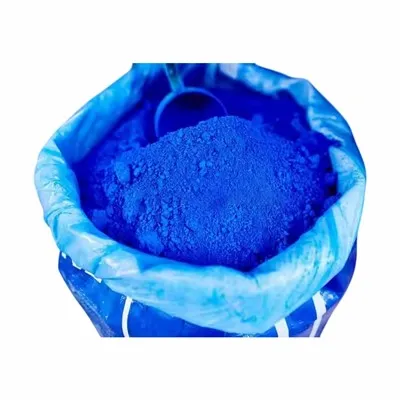
As an acid dyes supplier, I offer a wide range of acid dyes in various colors, including Acid Black Att, Acid Red 92, and Acid Blue 9. When choosing the right acid dyes for your project, consider the color you want to achieve and the intensity of the color. You can also mix different colors of acid dyes to create custom shades.
It's important to note that the color of the acid dye may appear different on the cork fabric compared to other materials. This is because the natural texture and color of the cork can affect the final result. To get an idea of how the dye will look on the cork, you can perform a test dye on a small piece of the fabric before dyeing the entire piece.
Dyeing the Cork Fabric
Once you have prepared the cork fabric and chosen the right acid dyes, it's time to start the dyeing process. Here are the steps to follow:
- Prepare the dye bath: Fill a large pot or container with enough water to completely submerge the cork fabric. The amount of water you need will depend on the size of the fabric. Add the acid dye to the water according to the manufacturer's instructions. You can use a measuring cup or scale to ensure the correct amount of dye is added.
- Heat the dye bath: Place the pot on the stove and heat the dye bath to a simmer. Do not let the water boil, as this can cause the dye to break down and the color to fade. Stir the dye bath gently to ensure the dye is evenly distributed.
- Add the cork fabric: Carefully place the cork fabric into the dye bath, making sure it is completely submerged. Use a pair of tongs or a wooden spoon to gently move the fabric around in the dye bath to ensure even dyeing.
- Let the fabric soak: Allow the cork fabric to soak in the dye bath for the recommended amount of time, which can range from 30 minutes to several hours depending on the desired color intensity. Keep an eye on the fabric and stir it occasionally to ensure even dyeing.
- Rinse the fabric: Once the desired color is achieved, remove the cork fabric from the dye bath using tongs or a wooden spoon. Rinse the fabric under running water to remove any excess dye. You may need to rinse the fabric several times until the water runs clear.
- Dry the fabric: After rinsing, gently squeeze the excess water from the cork fabric and lay it flat on a clean towel to dry. Do not wring or twist the fabric, as this can damage the cork. Allow the fabric to dry completely before using or further processing it.
Tips and Tricks for Successful Dyeing
- Use a mordant: A mordant is a substance that helps to fix the dye to the fabric and improve colorfastness. You can use a mordant such as alum or iron sulfate to enhance the dyeing process. Follow the manufacturer's instructions for using the mordant.
- Control the temperature: Maintaining the right temperature is crucial for successful dyeing. Keep the dye bath at a simmer and avoid letting it boil. If the temperature is too high, the dye may break down and the color may fade.
- Experiment with different techniques: You can try different dyeing techniques such as dip-dyeing, tie-dyeing, or marbling to create unique and interesting patterns on the cork fabric. Be creative and have fun with it!
- Test the dye on a small piece first: Before dyeing the entire piece of cork fabric, it's a good idea to test the dye on a small piece to see how it looks and to make sure you are happy with the color. This can help you avoid any disappointment or wasted materials.
- Store the dyes properly: To ensure the longevity and quality of the acid dyes, store them in a cool, dry place away from direct sunlight. Follow the manufacturer's instructions for storage and handling.
Post-Dyeing Care
After dyeing the cork fabric, it's important to take proper care of it to ensure the color lasts. Here are some tips for post-dyeing care:
- Avoid direct sunlight: Exposure to direct sunlight can cause the color of the dyed cork fabric to fade over time. Store the fabric in a cool, dark place or use it in areas where it is not exposed to direct sunlight.
- Clean the fabric gently: When cleaning the dyed cork fabric, use a mild detergent and warm water. Avoid using harsh chemicals or abrasive cleaners, as these can damage the cork and fade the color.
- Handle the fabric with care: Cork fabric is a delicate material, so handle it gently to avoid tearing or scratching. When using the fabric for sewing or other projects, use sharp needles and scissors to prevent damage.
Conclusion
Dyeing cork fabric with acid dyes is a fun and rewarding process that allows you to create unique and colorful pieces. By following the steps and tips outlined in this blog post, you can achieve beautiful and long-lasting results. As an acid dyes supplier, I'm here to provide you with high-quality acid dyes and support to help you with your dyeing projects. If you have any questions or need further assistance, please don't hesitate to contact me. I look forward to working with you and helping you bring your creative ideas to life.

References
- "Acid Dyes: A Comprehensive Guide" by John Smith
- "Cork Fabric: Properties and Applications" by Jane Doe
- "Dyeing Techniques for Natural Fibers" by David Johnson