Water-Soluble Sulfur Black For Paper Dyeing
Water-soluble sulfur black is a dye commonly used for textiles but can also be applied to dye paper. Here are the basic steps and key points to consider: 1. Basic Principles · Sulfur Black Dye: Traditionally used for cotton, linen, etc., it requires a reductive alkaline environment (often...
Description
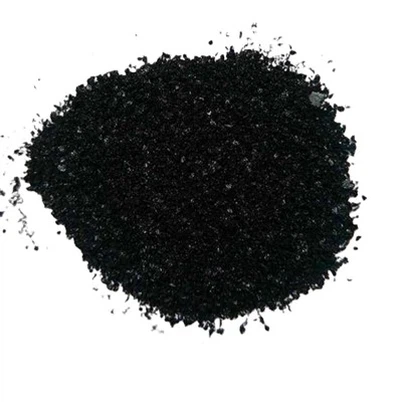
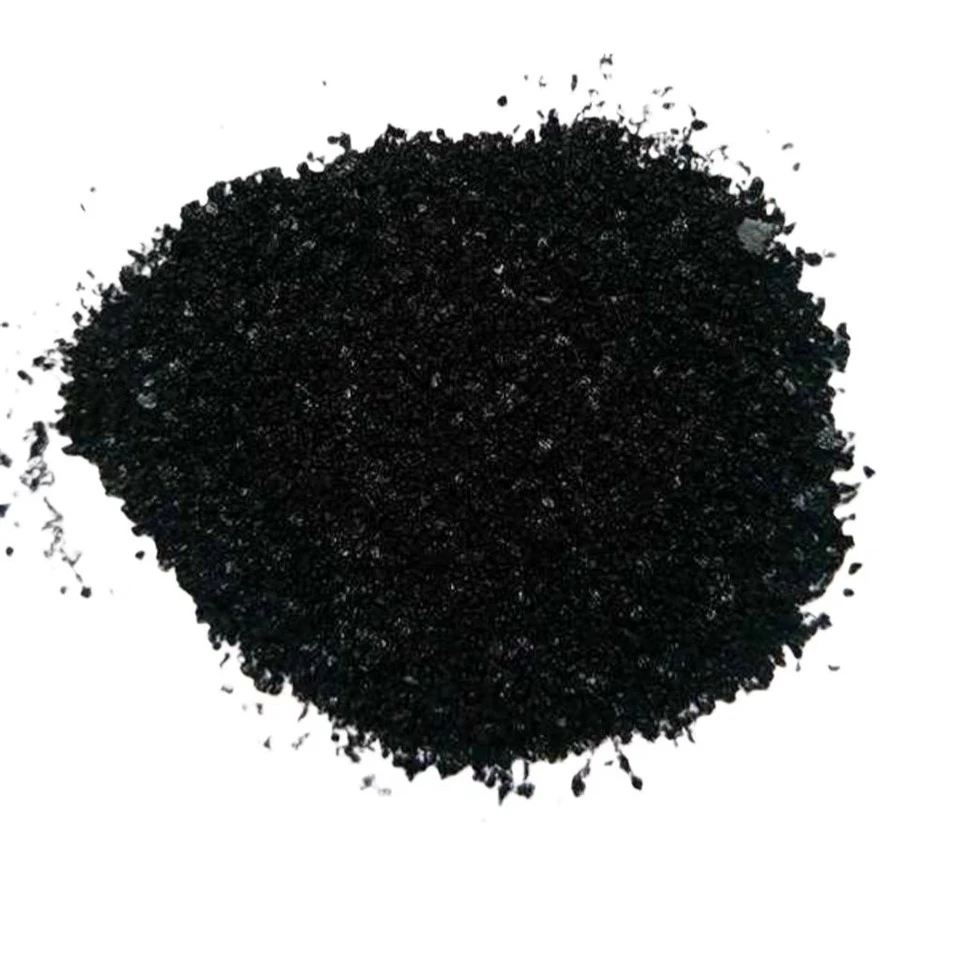
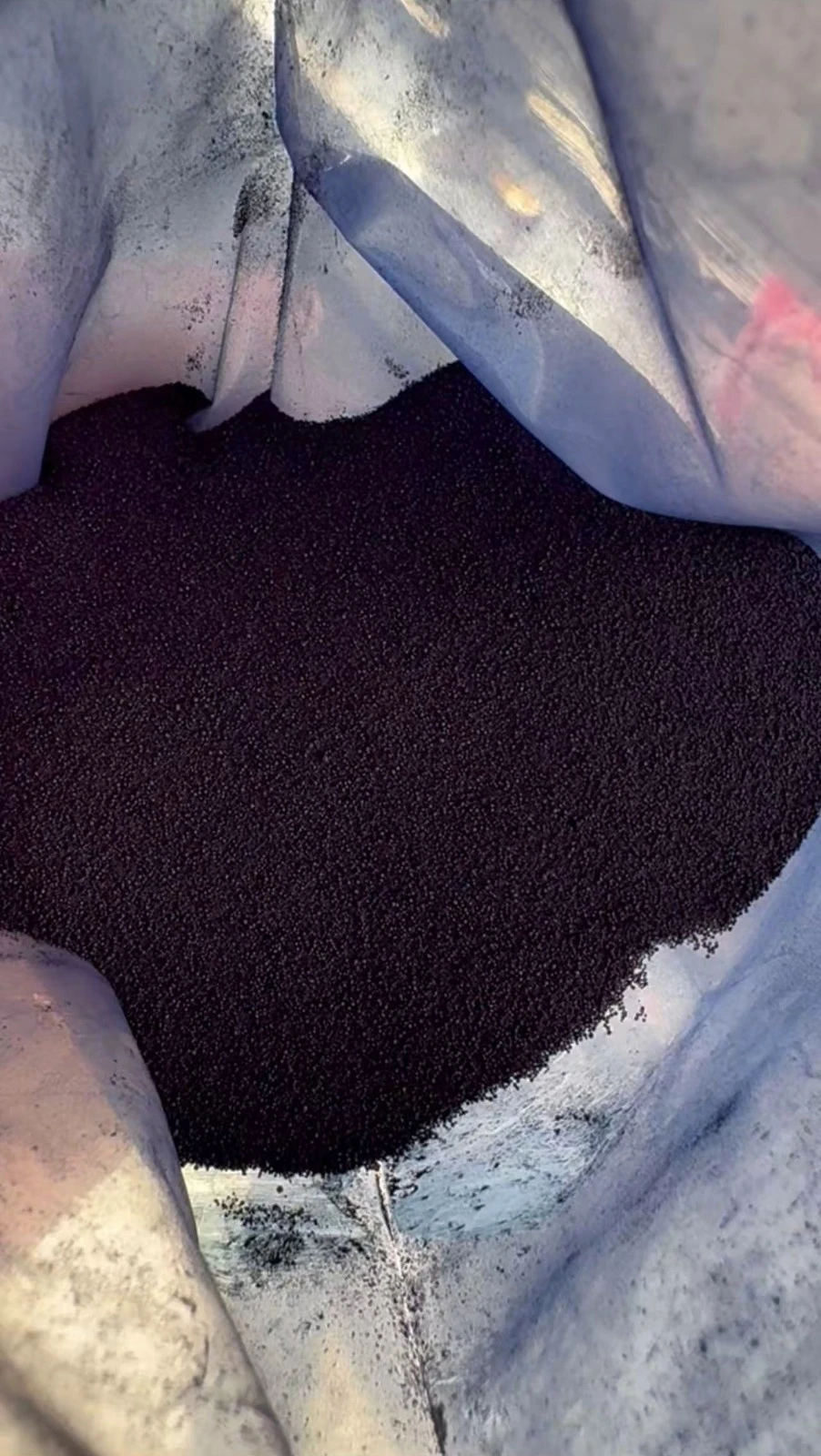
Water-soluble sulfur black is a dye commonly used for textiles but can also be applied to dye paper. Here are the basic steps and key points to consider:
1. Basic Principles
· Sulfur Black Dye: Traditionally used for cotton, linen, etc., it requires a reductive alkaline environment (often with sodium sulfide) to dissolve into its leuco form before being oxidized and fixed.
· Water-Soluble Sulfur Black: Modified to dissolve directly in water, simplifying the process and making it suitable for materials like paper.
2. Dyeing Steps
Materials Needed
· Water-soluble sulfur black dye
· Paper with good absorbency (e.g., rice paper, kraft paper)
· Warm water (40–50°C)
· Container, stirring rod
· Fixative (e.g., alum, acetic acid – optional)
· Protective gear (gloves, mask)
Procedure
1. Prepare the Dye Bath
Dissolve the dye in warm water (typical dosage: 1%–5% of paper weight). Stir until fully dissolved.
2. Pre-Treat the Paper
· If the paper is not water-resistant, pre-wet it briefly in clean water to prevent tearing.
· For even dyeing, dampen the paper evenly and gently squeeze out excess water.
3. Dyeing
· Immersion Method: Submerge the paper completely in the dye bath. Gently agitate for 5–30 minutes.
· Brushing Method: Apply the dye evenly with a brush for local or artistic effects.
4. Fixing (Optional)
To improve colorfastness, soak dyed paper in a fixative solution (e.g., 1%–3% alum or diluted acetic acid) for about 5 minutes.
5. Drying
Lay the paper flat to air-dry away from direct sunlight. Blot excess moisture with absorbent paper if needed.
3. Important Notes
· Paper Selection: Absorbent papers (e.g., rice paper, filter paper) work best. Coated papers may not take the dye well.
· Color Control: Adjust depth by changing dye concentration, immersion time, or repeating the process.
· Safety: Wear gloves and a mask to avoid skin contact or inhaling dye particles.
· Waste Disposal: Dye wastewater should be collected and treated properly-do not pour it directly down the drain.
4. Applications
· Aging effects for calligraphy or painting paper
· Custom-colored packaging or decorative paper
· Specialty paper props for crafts and theater
5. Alternative Dyes for Paper
For simpler paper dyeing, consider:
· Direct Dyes: Easy to use, dissolve in water without complex steps.
· Acid Dyes: Often used with a fixative; suitable for protein fibers but can also be adapted for paper.
· Natural Dyes (e.g., tea, indigo): Eco-friendly but may have lower colorfastness.
Tips for Better Results
· Pre-treat paper with soybean milk or alum solution to improve dye uptake.
· Add a small amount of salt or soda ash to the dye bath to enhance adsorption.
· Experiment with different paper types (e.g., recycled paper, cotton paper) for unique textures.
Hot Tags: water-soluble sulfur black for paper dyeing, China water-soluble sulfur black for paper dyeing manufacturers, suppliers, factory, sulphur dyes for specialty fibers, soluble sulphur black, sulphur dyes for printed industrial textiles, sulphur dyes for functional fibers, sulphur dyes for dyed yarns, sulphur dyes for optical fibers
Send Inquiry
You Might Also Like