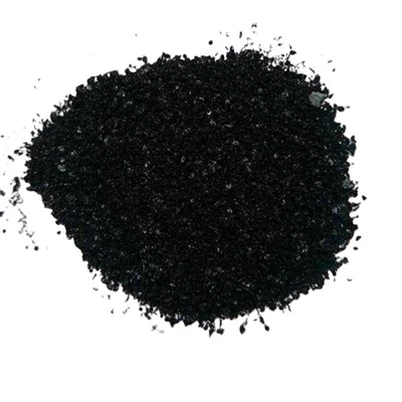
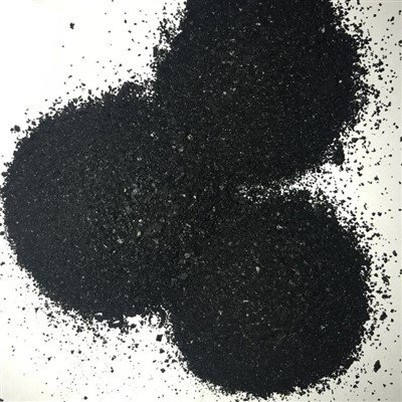
Sulphur Black: Cost & Color, 200% Strength Grade
200% strength sulphur black offering deep, blue-toned shades on cotton and blends. High color strength cuts dye use by 30–50%. Excellent uniformity, batch consistency, and low sulfides (<100 ppm). Suitable for exhaust, pad, and continuous processes. Lab samples available.
Description
Dyeing Performance
Colour strength directly affects cost: higher strength means deeper shades at lower dosage. Buyers prefer grades where equal concentration yields visibly darker dyeing. Uniformity is critical on cotton, viscose, and polyester-cotton blends – quality Sulphur Black deposits evenly without cloudiness or skitteriness. Reproducibility between batches depends on stable reduction potential and alkali control; premium products maintain ΔE below 1.0 across production lots.

Fiber Scope & Process Adaptability
Suitable fibers include pure cotton, viscose, linen, and polyester-cotton blends. Compatible processes: exhaust dyeing (most common), pad-dyeing, and continuous dyeing. The dye works well with reducing agents like sodium sulfide, sodium hydrosulfide, or glucose/caustic systems, and with alkalis such as caustic soda or soda ash. Proper compatibility ensures no precipitation or uneven uptake.
Stability & Storage
Powder forms are stable when dry but hygroscopic – moisture leads to oxidation, heat generation, even self-ignition. Liquid pre-reduced types are convenient but may stratify or develop odor over time. Shelf life: powders 1–2 years, liquids 6–12 months. Anti-caking agents prevent lumps in powder; stabilisers and suspending agents keep liquids homogeneous.
Environmental & Safety Features
High-quality low-sulfur grades contain less than 100 ppm residual sulfides, meeting Oeko-Tex standards. Wastewater contains sulfides and high COD – eco-friendly products support easy oxidation (air or hydrogen peroxide) to convert sulfides into sulfates. Some glucose-based systems eliminate sodium sulfide entirely, drastically reducing pollution burden.
Colour Appearance & Shade
- Blackness depth is paramount: premium Sulphur Black delivers true jet black, not grayish.
- Hue varies: blue-toned black looks brighter and deeper; brown-toned black (e.g. Sulphur Black BN) appears warmer.
- Intermixing with Sulphur Black 1 or BN is possible, but lab trials are essential because particle size and reduction speed differ.
Economic & Application Performance
Unit cost equals dye + chemicals + wastewater treatment per kg of fabric. High-strength grades reduce dye usage by 30–50% for the same depth, lowering total cost. Best value comes from optimal depth per total process expense, not cheapest per kilo. Modern Sulphur Black supports short-flow, energy-saving processes like one-bath reduction-clear or low-liquor-ratio (1:4–1:5) dyeing.
Packaging & Transport
Powders:
inner moisture-barrier PE bags plus woven outer bags or fibre drums, classified as flammable solids (UN 1350).
Liquids:
IBC totes, 200L plastic drums, or 25L jerrycans with corrosion-resistant liners. All shipments include MSDS .Reliable suppliers provide lab samples (50g powder or 250mL liquid) with recommended dyeing protocols for full verification before bulk orders.
Hot Tags: sulphur black: cost & color, 200% strength grade, China sulphur black: cost & color, 200% strength grade manufacturers, suppliers, factory, sulphur dyes for cellulosic fibers, sulphur dyes for inorganic fibers, sulphur dyes for mercerized garments, sulphur dyes for unbleached fibers, sulphur dyes for protein fibers, sulphur dyes for unbleached yarns
Send Inquiry
You Might Also Like