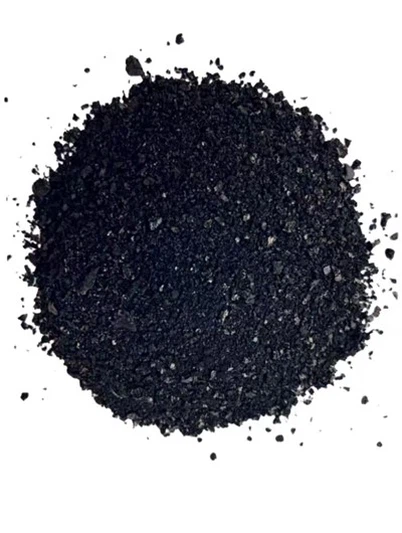
Sodium Metabisulfite
Sodium Metabisulfite (Na₂S₂O₅) is a widely used inorganic salt. It appears as a white or yellowish crystalline powder with a characteristic pungent sulfur dioxide (SO₂) odor. It is a reducing agent and a source of sulfur dioxide, which defines most of its applications. Key Properties ·...
Description
Sodium Metabisulfite (Na₂S₂O₅) is a widely used inorganic salt. It appears as a white or yellowish crystalline powder with a characteristic pungent sulfur dioxide (SO₂) odor. It is a reducing agent and a source of sulfur dioxide, which defines most of its applications.
Key Properties
· Chemical Nature: It is a salt of metabisulfite ion. In water, it hydrolyzes to form sodium bisulfite (NaHSO₃), releasing sulfur dioxide (SO₂). This released SO₂ is responsible for its antioxidant, preservative, and reducing effects.
· Solubility: Freely soluble in water.
· Reducing Agent: It readily donates electrons, making it effective in bleaching, dechlorination, and preventing oxidation.
· Unstable to Heat: Decomposes at high temperatures.
Primary Applications
Its use spans numerous industries due to its dual function as a preservative and a reducing agent.
1. Food & Beverage Industry (Food Additive E223): * Preservative: Inhibits the growth of bacteria, yeasts, and molds. Extends shelf life. * Antioxidant: Prevents browning and spoilage in fruits, vegetables, and wines. * Bleaching Agent: Used in the production of sugar, maraschino cherries, and some starches. * Winemaking: Essential as a sterilant/antioxidant for equipment and must, controlling microbial growth and preventing oxidation.
2. Water Treatment: * Dechlorination: Effectively neutralizes excess chlorine and chloramine in wastewater and drinking water, protecting aquatic life and meeting discharge regulations. * Oxygen Scavenger: Used in boiler feed water to remove dissolved oxygen, preventing corrosion.
3. Photography: * Used as a fixing agent in the development process.
4. Textile & Leather Industry: * Bleaching Agent: For wool, cotton, and other fibers. * Dechlorination Agent: Removes residual chlorine after bleaching with hypochlorite. * Reducing Agent: In certain dyeing and printing processes.
5. Chemical Manufacturing: * A key intermediate and reducing agent in the synthesis of various chemicals, including other sulfur compounds, dyes, and pharmaceuticals.
Safety & Handling (CRITICAL)
· Health Hazards:
· Irritant: Dust or solution can cause severe irritation to eyes, skin, and respiratory tract. SO₂ release can cause breathing difficulties, especially for asthmatics.
· Harmful if Ingested in large quantities.
· Personal Protective Equipment (PPE): Use safety goggles, gloves (chemical-resistant), and a dust mask or respirator in poorly ventilated areas.
· Storage: Store in a cool, dry, well-ventilated place in a tightly closed container. Keep away from moisture, heat, and acids. Never mix with strong acids, as this will produce large volumes of toxic sulfur dioxide gas.
· Incompatibility: Reacts violently with oxidizers and strong acids.
Regulatory & Environmental Notes
· Food Grade: Must meet purity standards (e.g., Food Chemicals Codex) for use in food.
· Generally Recognized As Safe (GRAS) by the FDA for specific uses at regulated levels. Allergies/sensitivities to sulfites are common, requiring mandatory labeling (e.g., "Contains Sulfites") on wine and packaged foods.
· Environmental Impact: Its breakdown products are naturally occurring ions (sulfate, sodium). The main hazard is acute toxicity to aquatic life due to oxygen depletion and SO₂ release in water; therefore, handling in water treatment must be controlled.
HS Code Guidance
It is typically classified under:
· Chapter 28: Inorganic Chemicals.
· Heading 2832: Sulphites; thiosulphates.
· A common subheading is 2832.20.0000 for "Other sulphites" (specific codes vary by country).
Summary
Sodium Metabisulfite is a versatile, cost-effective chemical valued for its preservative, antioxidant, and reducing properties. Its utility in food preservation, water dechlorination, and industrial processes makes it indispensable. Safe handling is paramount due to its irritant nature and potential to release toxic SO₂ gas, especially when in contact with acids or moisture. Always consult the supplier's Safety Data Sheet (SDS) for specific handling instructions and verify the appropriate grade (technical, food, USP) for your intended application.
Hot Tags: sodium metabisulfite, China sodium metabisulfite manufacturers, suppliers, factory, sulphur dyes for smart fibers, sulphur dyes for treated yarns, sulphur dyes for staple fiber dyeing, sulphur dyes for dyed home textiles, sulphur dyes for eco friendly fibers, sulphur dyes for unmercerized fabrics
Send Inquiry
You Might Also Like