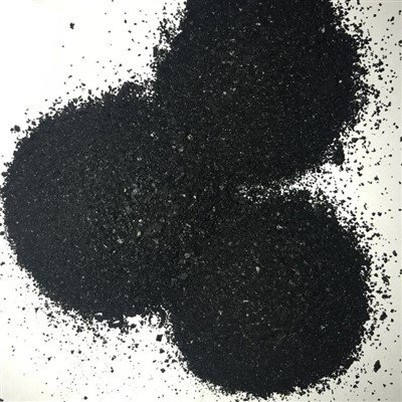
Sulphur Black-The Most Important And Widely Used Black Dyes in The Textile Printing And Dyeing Industry

Sulphur Black-The Most Important And Widely Used Black Dyes in The Textile Printing And Dyeing Industry suppliers

Sulphur Black-The Most Important And Widely Used Black Dyes in The Textile Printing And Dyeing Industry factory

Sulphur Black-The Most Important And Widely Used Black Dyes in The Textile Printing And Dyeing Industry best

Sulphur Black-The Most Important And Widely Used Black Dyes in The Textile Printing And Dyeing Industry high quality
Sulphur Black-The Most Important And Widely Used Black Dyes in The Textile Printing And Dyeing Industry
I. Basic Concept Sulphur Black is a class of synthetic dyes containing sulphur, primarily used for dyeing cellulosic fibers such as cotton, linen, and viscose. The term "sulphur" in its name comes from the dyeing process: the dye itself is insoluble in water and must be reduced into a...
Description
I. Basic Concept
Sulphur Black is a class of synthetic dyes containing sulphur, primarily used for dyeing cellulosic fibers such as cotton, linen, and viscose. The term "sulphur" in its name comes from the dyeing process: the dye itself is insoluble in water and must be reduced into a soluble leuco form using reducing agents such as sodium sulfide (Na₂S) under alkaline conditions. After being absorbed by the fibers, it is then oxidized to revert to its insoluble state, becoming firmly fixed onto the fibers.
The most common product specification is Sulphur Black BR, with "BR" typically indicating its shade characteristics, which is a blue-toned black.
II. Key Characteristics
Color: Delivers a deep, intense black shade, primarily with a blue undertone, though variations can be achieved through formulation adjustments.
Fastness Properties: Offers good wash fastness and light fastness, making it suitable for textiles that require durability and resistance to repeated laundering.
Cost: Relatively low in price with high cost-effectiveness, making it the mainstream choice for large-scale dark-color dyeing.
Processing: The dyeing process is relatively straightforward, though it requires proper control over reduction conditions and oxidation steps.
Environmental Considerations: Traditional Sulphur Black generates sulfur-containing wastewater during the dyeing process, and some products may contain impurities such as heavy metals or aromatic amines. High-quality products have been improved to meet stricter environmental requirements.
III. Common Applications
Denim: Used for warp dyeing, it is the primary dye for black denim and sulphur-dyed denim.
Workwear and Protective Clothing: Ideal for dark-colored uniforms that demand high wash durability and abrasion resistance.
Home Textiles: Applied in dark-colored curtains, upholstery fabrics, and bedding.
Canvas and Outdoor Products: Used in tents, backpacks, luggage, and footwear materials.
Knitted and Woven Apparel: Suitable for dark T-shirts, casual trousers, and similar garments.
IV. Quality Differences
There are notable quality variations among Sulphur Black products available in the market, reflected in the following aspects:
Strength Stability: High-quality products exhibit minimal batch-to-batch variation in color strength, ensuring good reproducibility and reducing costly rework.
Insoluble Matter Content: Low insoluble matter reduces equipment contamination and fabric defects.
Reduction Performance: A controlled and stable reduction rate facilitates reliable process control.
Environmental Compliance: Meets standards such as ZDHC, REACH, and OEKO-TEX®, featuring lower sulfide content, controllable COD levels, and compliance with heavy metal and restricted substance requirements.
Dust Control: Dust-free powder, granular, or liquid formulations significantly improve workplace conditions by reducing airborne particulates.
V. Market and Supply
Pakistan and Bangladesh are major global textile manufacturing hubs with substantial demand for Sulphur Black. In recent years, supply chains have been optimized to improve access to high-quality Sulphur Black in these markets:
Local Warehousing: Shorter delivery lead times ensure stable supply.
Technical Support: On-site technical personnel assist customers in process optimization and cost reduction.
Drivers for Environmental Compliance: Increasingly stringent chemical management requirements from international brands are driving the market toward high-quality, environmentally compliant Sulphur Black.
VI. Conclusion
Sulphur Black holds an irreplaceable position in the textile industry due to its cost advantages, good fastness properties, and broad applicability. For textile manufacturers serving international markets, selecting high-quality Sulphur Black with stable batch consistency, environmental compliance, and strong technical support has become a critical factor in ensuring product quality, improving production efficiency, and meeting export compliance requirements.
If you would like further details on dyeing process parameters, comparisons with other black dyes, environmental improvement solutions, or specific technical information for the Pakistan and Bangladesh markets, please let me know.
Environmental and Safety Characteristics of Sulfur Black
The environmental impact of Sulfur Black dyeing is a critical concern, primarily due to the use of sodium sulfide (Na₂S) as a reducing agent in traditional processes. This generates wastewater containing high levels of sulfides (S²⁻), often ranging from 100 to 500 mg/L, far exceeding the discharge limit of 0.5 mg/L set by many environmental regulations. However, modern alternatives significantly reduce this issue. By using low-sulfur or sulfur-free reducing agents, such as glucose combined with caustic soda, or commercial eco-friendly reducers, the residual sulfide in wastewater can be lowered to below 5 mg/L, approaching or meeting regulatory standards. Pre-reduced liquid Sulfur Black, which contains no free sulfides, offers an even cleaner option, though at a higher cost.
Regarding wastewater treatment, Sulfur Black effluent presents multiple challenges. It has intense color (thousands of times dilution factor), high chemical oxygen demand (COD), and poor biodegradability due to organic sulfur compounds. The presence of residual sulfides is toxic to microorganisms in biological treatment systems, inhibiting the breakdown of pollutants. A typical treatment train includes coagulation and sedimentation as a first step, using ferrous sulfate or polyaluminum chloride to remove most of the color and sulfides, producing a sulfide-rich sludge. This is followed by advanced oxidation, such as Fenton or ozone treatment, to break down recalcitrant organic matter and improve biodegradability. Finally, biological treatment using anaerobic-aerobic processes removes remaining COD and ammonia. For stringent discharge standards, additional membrane filtration or activated carbon adsorption may be required. Overall, the treatment is feasible but resource-intensive, especially for small facilities without dedicated wastewater plants.
The environmental burden of Sulfur Black also includes odor pollution. Traditional sodium sulfide processes release hydrogen sulfide gas, which has a strong rotten-egg smell, affecting worker health and surrounding communities. The sulfide-containing sludge from coagulation is classified as hazardous waste and requires specialized disposal, adding significant cost. Interestingly, compared to reactive black dyes, Sulfur Black has a higher fixation rate (90–95%), meaning less dye is lost to wastewater. This gives it an advantage in terms of color load and COD per unit of fabric dyed. However, the sulfide toxicity and sludge disposal remain its main environmental drawbacks. Modern eco-friendly practices, including using low-sulfur reducers and proper treatment systems, can effectively mitigate these issues and make Sulfur Black a more sustainable choice.
Hot Tags: sulphur black-the most important and widely used black dyes in the textile printing and dyeing industry, China sulphur black-the most important and widely used black dyes in the textile printing and dyeing industry manufacturers, suppliers, factory, sulphur dyes for pre consumer recycled fibers, sulphur dyes for printing, sulphur dyes for functional fibers, sulphur dyes for unmercerized home textiles, sulphur black manufacture, sulphur dyes for unbleached industrial textiles
Send Inquiry
You Might Also Like