Indigo Dye For Denim
1. Product Definition & Overview Indigo dye is a classic vat dye renowned for its use in coloring denim fabric. Its defining characteristic is that it is water-insoluble. It must undergo a chemical reduction process to become soluble and adhere to cotton fibers. After dyeing, it is...
Description
1. Product Definition & Overview
Indigo dye is a classic vat dye renowned for its use in coloring denim fabric. Its defining characteristic is that it is water-insoluble. It must undergo a chemical reduction process to become soluble and adhere to cotton fibers. After dyeing, it is re-oxidized back to its insoluble form, creating a deep, fast blue color that is trapped inside the fiber.
The iconic blue-and-white appearance of denim is a direct result of this unique dyeing method, combined with subsequent washing and finishing processes.
2. Key Forms
Industrial indigo is available in several forms:
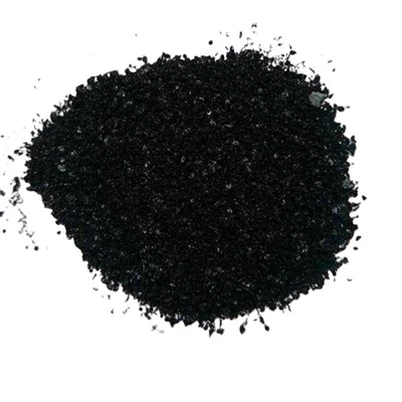
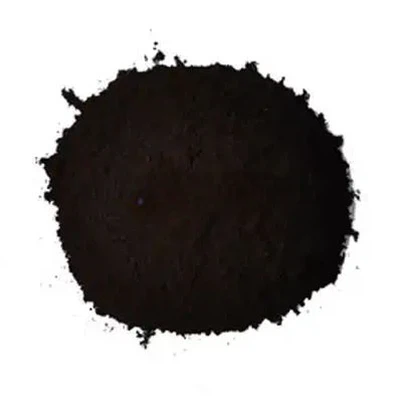
· Indigo Powder: The pure, base form of the dye. It requires the user to perform the entire reduction process.
· Indigo Granules: Similar to powder but with less dust, making it easier to handle and measure.
· Pre-Reduced Indigo Paste/Liquid: The most common form in modern, large-scale denim production. The dye is pre-reduced by the manufacturer and sold as a stable liquid paste (usually 20%-60% concentration). This form is highly convenient and simplifies the dyeing process.
3. Core Chemistry & Dyeing Mechanism
· Primary Component: Modern industrial indigo is almost exclusively synthetic indigo, known as C.I. Vat Blue 1. It was first synthesized in 1897, replacing expensive and less consistent natural plant-derived indigo.
· The Dyeing Mechanism (Reduction-Oxidation Process):
1. Reduction: In a dye vat, insoluble blue indigo is chemically reduced using a strong alkali (caustic soda, NaOH) and a reducing agent (sodium hydrosulfite, Na₂S₂O₄). This converts it into a water-soluble, greenish-yellow substance called leucoindigo.
2. Absorption: Cotton yarn (the warp threads) is immersed in this leucoindigo solution. The soluble dye penetrates the fiber.
3. Oxidation: When the yarn is removed from the vat and exposed to air, the leucoindigo reacts with oxygen and re-oxidizes back into insoluble blue indigo particles, which become permanently trapped within the fiber.
4. Ring Dyeing: To build up a deep shade, yarns undergo multiple dips (typically 6-8 cycles of "immersion-squeezing-oxidation"). Because the oxidized indigo is insoluble, it primarily deposits on the surface of the fiber, leaving the core white. This "ring-dyed" effect is crucial, as subsequent abrasion and washing wear away the outer blue layer, revealing the white core and creating the classic "faded" denim look.
4. Product Characteristics & Advantages
· Unique Fading Properties: This is the core, irreplaceable advantage of indigo. The surface-level dye deposition allows it to wear away in a unique, personalized pattern with every wear and wash.
· Excellent Colorfastness: It has very good wash fastness. However, its rub fastness is moderate, which is precisely what enables the desirable "fade" and "crocking" effect.
· Classic Color Palette: It produces a range of timeless blues, from light sky blue to deep navy.
5. Application Workflow (for Yarn Dyeing)
1. Dye Bath Preparation: A vat is prepared with water, indigo dye, sodium hydroxide (alkali), and sodium hydrosulfite (reducing agent). The pH and reduction potential are carefully controlled.
2. Warp Yarn Dyeing: The warp yarns (the lengthwise threads) pass through a series of dye boxes and squeeze rollers, repeatedly undergoing the "dip-oxidation" cycle.
3. Fixing & Washing: After dyeing and oxidation, the yarn is rinsed and may undergo a fixing treatment to remove any loose surface dye and improve fastness.
4. Weaving & Finishing: The dyed blue warp yarns are woven with white weft (filling) yarns to create denim fabric. The fabric is then finished through processes like desizing, stone washing, enzyme washing, or sandblasting to achieve the desired softness, feel, and aesthetic.
Critical Clarification: Indigo Granules for Hair vs. Denim
It is crucial to distinguish these two products, which share a name but are entirely different.
Feature "Indigo Granules" for Hair "Indigo Dye" for Denim
Product Type Herbal / Botanical Hair Colorant Industrial Synthetic Vat Dye
Primary Ingredient Qing Dai (Natural Indigo Powder), Herbs Synthetic Indigo (C.I. Vat Blue 1)
Source Plants (Isatis, Indigofera) Petrochemical Synthesis
Form Granulated Herbal Mix Powder, Granules, Pre-reduced Paste
Working Principle Physical coating and oxidation on the hair surface. Chemical reduction-oxidation inside the fiber.
Primary Function Colors hair, treats scalp conditions Provides color and unique fading for cotton textiles
Usage Context Personal use, salons, traditional medicine Textile dyeing mills (denim manufacturing)
Hot Tags: indigo dye for denim, China indigo dye for denim manufacturers, suppliers, factory, sulphur dyes for untreated fabrics, sulphur dyes for waterproof fibers, sulphur dyes for nanofiber, sulphur dyes for unoriented fibers, sulphur dyes for treated home textiles, sulphur dyes for recycled fibers
Send Inquiry
You Might Also Like