How to dye ramie with acid dyes?
Leave a message

Hey there! As an acid dyes supplier, I'm super stoked to share with you how to dye ramie with acid dyes. Ramie is a natural fiber known for its strength, absorbency, and breathability. Acid dyes, on the other hand, are a great choice for dyeing ramie because they offer bright, long - lasting colors.
Understanding Ramie and Acid Dyes
First off, let's talk a bit about ramie. It's a plant - based fiber that has been used for centuries in textiles. It has a smooth surface and a natural luster, but it can be a bit tricky to dye compared to some other fibers. Acid dyes are water - soluble dyes that work well on protein and nylon fibers, but they can also be used on ramie with the right process.
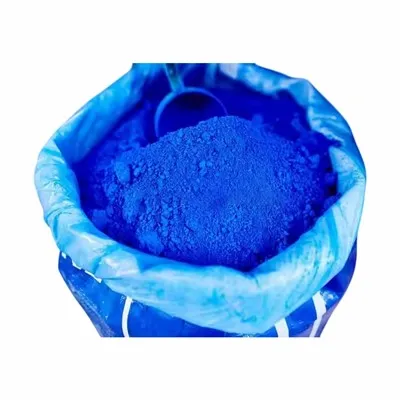
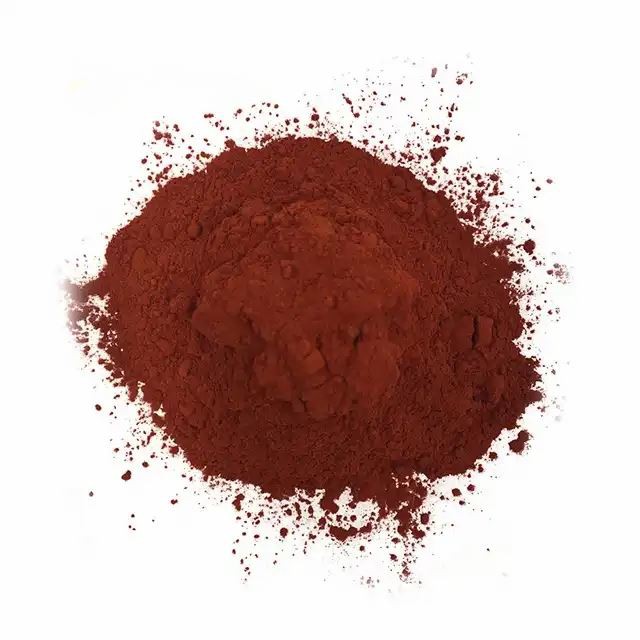
Acid dyes come in a wide range of colors, from vivid reds and blues to soft pastels. For example, Acid Red 92 gives a brilliant red hue, Acid Red 87 offers a more classic red tone, and Acid Blue 9 provides a beautiful blue shade.
Preparing the Ramie
Before you start dyeing, you need to prepare the ramie fabric or yarn. This step is crucial to ensure that the acid dyes can penetrate the fibers evenly.

- Washing: Wash the ramie thoroughly to remove any dirt, oils, or sizing agents. You can use a mild detergent and warm water. Rinse it well and let it dry completely. This will help the dye adhere better to the fibers.
- Scouring (Optional): For a more thorough clean, you can scour the ramie. Scouring involves soaking the ramie in a solution of water and a scouring agent, like soda ash. Heat the solution to about 140°F (60°C) and let the ramie soak for about 30 minutes. Then rinse it well. This step can open up the fibers and improve dye uptake.
Preparing the Dye Bath
Now it's time to prepare the dye bath. Here's what you'll need:
- Acid dyes: Choose the color or colors you want to use. You can mix different dyes to create custom shades.
- Water: Use enough water to completely submerge the ramie. The ratio of water to ramie depends on the amount of fabric or yarn you're dyeing, but a general rule of thumb is about 20:1 (20 parts water to 1 part ramie by weight).
- Acid: You'll need an acid to help the dye bond to the ramie. Citric acid or acetic acid (vinegar) are common choices. The amount of acid depends on the type of dye and the desired color intensity. Usually, you'll add about 1 - 3% acid by weight of the ramie.
- Salt: Adding a small amount of salt to the dye bath can help the dye penetrate the fibers evenly. Use about 1 - 2% salt by weight of the ramie.
To prepare the dye bath:
- Dissolve the acid dyes in hot water. Stir well until the dyes are completely dissolved. You can use a separate container for each color if you're mixing dyes.
- Add the acid and salt to the dye bath. Stir the solution to make sure they are evenly distributed.
- Heat the dye bath to about 140 - 160°F (60 - 71°C). You can use a stove or a dye pot with a heating element.
Dyeing the Ramie
Once the dye bath is ready, it's time to start dyeing the ramie:
- Slowly lower the ramie into the dye bath. Make sure it's completely submerged. Use a spoon or a stick to gently move the ramie around in the dye bath. This will help the dye distribute evenly.
- Keep the temperature of the dye bath constant. You can use a thermometer to monitor the temperature. Stir the ramie occasionally for about 30 - 60 minutes. The longer you leave the ramie in the dye bath, the darker the color will be.
- If you're using multiple colors, you can dip different parts of the ramie into different dye baths to create a tie - dye or ombre effect. Just make sure to let the ramie dry between each dip.
Rinsing and Fixing the Dye
After you're satisfied with the color, it's time to rinse and fix the dye:
- Rinsing: Remove the ramie from the dye bath and rinse it under cold water. Keep rinsing until the water runs clear. This will remove any excess dye.
- Fixing the Dye: To make the color more permanent, you can fix the dye. You can use a commercial dye fixative or make your own fixative solution. One option is to soak the ramie in a solution of 1 part vinegar and 3 parts water for about 15 - 20 minutes. Then rinse it again with cold water.
- Drying: Hang the ramie to dry in a well - ventilated area. Avoid direct sunlight, as it can fade the color.
Tips and Tricks
- Test First: Before dyeing a large piece of ramie, it's a good idea to test the dye on a small scrap of the same fabric. This will help you see how the color turns out and make any adjustments if needed.
- Mixing Colors: Experiment with mixing different acid dyes to create unique colors. You can start with small amounts of each dye and gradually add more until you get the desired shade.
- Safety: Wear gloves and protective eyewear when handling acid dyes and chemicals. Make sure you're working in a well - ventilated area.
Troubleshooting
- Uneven Color: If you notice uneven color on the ramie, it could be because the ramie wasn't properly prepared or the dye bath wasn't stirred enough. You can try re - dyeing the ramie or using a color remover to start over.
- Fading Color: If the color fades after washing, it could be because the dye wasn't fixed properly. You can try re - fixing the dye or using a color - safe detergent when washing the ramie.
Conclusion
Dyeing ramie with acid dyes can be a fun and rewarding process. With the right preparation, dyeing technique, and after - care, you can create beautiful, long - lasting colors on your ramie fabric or yarn.
If you're interested in purchasing acid dyes for your ramie dyeing projects, feel free to reach out to us. We're here to help you find the perfect colors and provide any support you need. Whether you're a small - scale crafter or a large - scale textile manufacturer, we've got the acid dyes you're looking for. Contact us to start a discussion about your specific requirements and let's create some amazing colors together!
References
- "Textile Dyeing and Finishing" by Lewis, D. M.
- "Handbook of Fiber Science and Technology" edited by Mark, H. F.