How does Acid Red 92 work in ink formulations?
Leave a message

Acid Red 92 is a striking and highly functional dye that has found its niche in various industries, particularly in ink formulations. As a leading supplier of Acid Red 92, I am excited to delve into the science behind its effectiveness in ink and how it revolutionizes the world of printing and writing.

Chemical Structure and Properties of Acid Red 92
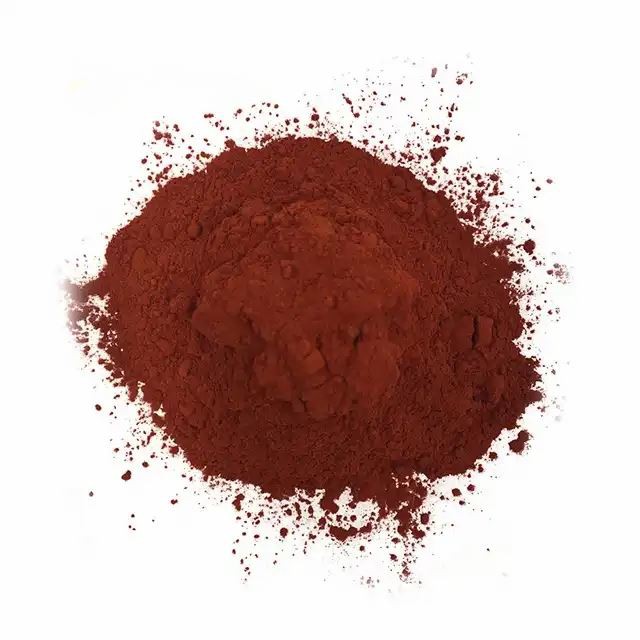
Acid Red 92, with its chemical formula and unique molecular structure, possesses several key properties that make it ideal for ink applications. It is a synthetic acid dye, which means it is designed to work in acidic environments. This characteristic is crucial as it allows the dye to bond effectively with the substrate, whether it's paper, fabric, or other materials commonly used in ink - based products.
The dye's solubility is another significant factor. Acid Red 92 is highly soluble in water, which is a major advantage in ink formulations. Water - based inks are becoming increasingly popular due to their environmental friendliness, low volatility, and ease of handling. The high solubility of Acid Red 92 ensures that it can be evenly dispersed in the ink matrix, resulting in a uniform color distribution and consistent printing quality.
The Role of Acid Red 92 in Ink Coloration
One of the primary functions of Acid Red 92 in ink formulations is to provide color. It offers a vivid and intense red hue that can be used on its own or combined with other dyes to create a wide range of colors. For example, when mixed with Acid Blue 9 or Acid Blue 7, it can produce various shades of purple or burgundy, expanding the color palette available for ink manufacturers.
The color strength of Acid Red 92 is remarkable. A small amount of the dye can impart a deep and rich color to the ink, which means that ink manufacturers can achieve the desired color intensity with less dye, reducing costs and improving efficiency. Additionally, the color of Acid Red 92 is highly stable, both in the ink formulation and after printing. It resists fading due to exposure to light, heat, and chemicals, ensuring that the printed materials maintain their vibrant appearance over time.
Interaction with Other Ink Components
In an ink formulation, Acid Red 92 does not work in isolation. It interacts with other components such as solvents, binders, and additives to form a stable and functional ink system.
Solvents play a crucial role in dissolving the dye and other components. As mentioned earlier, the water - solubility of Acid Red 92 makes it compatible with water - based solvents. However, in some cases, a mixture of solvents may be used to optimize the ink's drying time, viscosity, and other properties. The dye must be able to dissolve uniformly in the solvent system to prevent clumping or precipitation, which could lead to print defects.
Binders are another important component in ink formulations. They help the ink adhere to the substrate and form a durable film. Acid Red 92 must be compatible with the binder to ensure proper ink adhesion and print quality. Some binders can interact with the dye molecules, affecting their color and stability. Therefore, careful selection of the binder is necessary to achieve the best results.
Additives are often included in ink formulations to enhance specific properties such as gloss, scratch resistance, and anti - foaming. Acid Red 92 should not be negatively affected by these additives. For example, an anti - foaming agent should not cause the dye to precipitate or change its color.
Printing Processes and Acid Red 92
Acid Red 92 is suitable for a variety of printing processes, including inkjet printing, offset printing, and screen printing.
In inkjet printing, the ink needs to have specific properties such as low viscosity and good jetting performance. Acid Red 92, when formulated correctly, can meet these requirements. The small particle size of the dissolved dye allows it to pass through the fine nozzles of inkjet printers without clogging. Additionally, its fast - drying properties ensure that the printed image is sharp and does not smudge.
Offset printing involves transferring the ink from a printing plate to a rubber blanket and then to the substrate. Acid Red 92 - based inks need to have the right tack (stickiness) and transferability for this process. The dye's compatibility with the offset printing inks' components, such as the varnish and the fountain solution, is crucial for achieving high - quality prints.
Screen printing is a popular method for printing on various materials, including textiles and plastics. Acid Red 92 can be formulated into screen - printing inks to provide bright and long - lasting colors. The ink's ability to penetrate the fabric or adhere to the plastic surface is essential, and Acid Red 92, when combined with the appropriate binders and additives, can meet these demands.
Advantages of Using Acid Red 92 in Ink Formulations
There are several advantages to using Acid Red 92 in ink formulations. Firstly, its high color strength and stability make it a cost - effective option. Ink manufacturers can use less dye to achieve the same color result, which reduces raw material costs. Secondly, its environmental friendliness, especially when used in water - based inks, aligns with the growing demand for sustainable products. Water - based inks are less harmful to the environment compared to solvent - based inks, as they emit fewer volatile organic compounds (VOCs).
Another advantage is the wide range of applications. Acid Red 92 can be used in various types of inks, from writing inks for pens and markers to industrial printing inks. This versatility makes it a valuable ingredient for ink manufacturers who need to produce different types of products.
Quality Control and Assurance
As a supplier of Acid Red 92, we understand the importance of quality control and assurance. We have strict quality control measures in place throughout the production process to ensure that our Acid Red 92 meets the highest standards.
We test the purity of the dye to ensure that it is free from impurities that could affect its performance in ink formulations. We also test the color strength, solubility, and stability of the dye under different conditions. This ensures that our customers receive a consistent and reliable product that will perform well in their ink manufacturing processes.
Conclusion and Call to Action
In conclusion, Acid Red 92 is a versatile and effective dye that plays a crucial role in ink formulations. Its unique chemical properties, color strength, and compatibility with other ink components make it an ideal choice for a wide range of printing applications. Whether you are an ink manufacturer looking to improve the quality of your products or a printer in search of vibrant and long - lasting colors, Acid Red 92 is the answer.
If you are interested in learning more about our Acid Red 92 or would like to discuss your specific ink formulation needs, please do not hesitate to reach out. We are here to provide you with the best products and support to help you achieve your goals. Visit our product page Acid Red 92 for more information.
References
- "The Chemistry of Synthetic Dyes", Volume IV, edited by K. Venkataraman.
- "Inkjet Printing Technology", by Hervé Le Corre and Jean - Yves Bigot.
- "Industrial Printing Processes", a comprehensive industry report by leading printing technology experts.