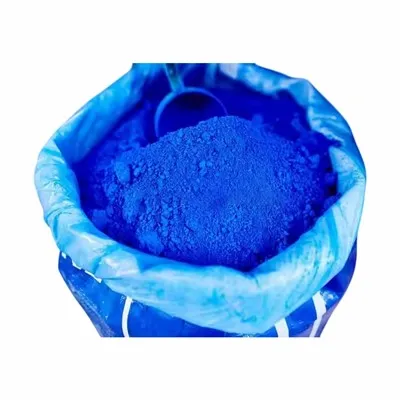
Can Vat Red R be modified to improve its performance?
Leave a message

As a supplier of Vat Red R, I've been deeply involved in the world of vat dyes for quite some time. Vat Red R is a well - known and widely used vat dye, but like any product, there's always room for improvement. In this blog, I'll explore whether Vat Red R can be modified to enhance its performance.
Understanding Vat Red R
Vat Red R, as you can learn more about on Vat Red R, is a synthetic organic compound that belongs to the vat dye class. It is commonly used in the textile industry for dyeing cotton, linen, and other cellulosic fibers. The dyeing process of vat dyes involves a unique mechanism. First, the insoluble vat dye is reduced to a soluble leuco form in an alkaline reducing bath. This leuco form can then penetrate the fiber. After that, an oxidation step is carried out to convert the leuco form back to the insoluble dye within the fiber, resulting in a colorfast and durable dyeing.
Vat Red R offers several advantages. It provides a bright and intense red color, which is highly sought - after in the fashion and textile market. It also has relatively good light and wash fastness properties, making it suitable for a wide range of applications, from casual wear to high - end fashion items. However, it also has some limitations.
Current Limitations of Vat Red R
One of the main limitations of Vat Red R is its relatively poor solubility in the reducing bath. This can lead to uneven dyeing, especially when dealing with large - scale dyeing operations. The poor solubility may also require higher amounts of reducing agents, which not only increases the cost but also has environmental implications.
Another issue is its sensitivity to certain environmental factors. For example, in the presence of high humidity or certain chemicals, the color of Vat Red R - dyed fabrics may fade over time. This reduces the long - term quality and appearance of the dyed products, which is a concern for both textile manufacturers and end - consumers.
Potential Modification Approaches
Chemical Structure Modification
Modifying the chemical structure of Vat Red R could be a promising approach to improve its performance. By introducing specific functional groups, we might be able to enhance its solubility in the reducing bath. For instance, adding hydrophilic groups such as sulfonic acid groups could increase the dye's solubility in water - based reducing solutions. This would lead to more uniform dyeing and potentially reduce the amount of reducing agents needed.


However, chemical structure modification is a complex process. It requires in - depth knowledge of organic chemistry and a thorough understanding of the dyeing mechanism. Any change in the chemical structure could also affect other properties of the dye, such as its color shade, light fastness, and wash fastness. Therefore, extensive research and testing are needed to ensure that the modified Vat Red R still meets the required quality standards.
Nanoparticle Encapsulation
Another approach is to encapsulate Vat Red R in nanoparticles. Nanoparticle encapsulation can improve the solubility and dispersion of the dye in the dyeing bath. The nanoparticles can act as carriers, protecting the dye molecules from aggregation and improving their interaction with the fiber surface.
There are different types of nanoparticles that can be used, such as polymer - based nanoparticles and inorganic nanoparticles. Polymer - based nanoparticles, for example, can be designed to have specific surface properties that enhance the adsorption of the dye onto the fiber. Inorganic nanoparticles, on the other hand, may offer additional benefits such as improved light fastness due to their ability to scatter and absorb light.
However, nanoparticle encapsulation also has its challenges. The production of nanoparticles requires specialized equipment and processes, which can increase the cost of the dye. There are also concerns about the potential environmental and health impacts of nanoparticles, especially if they are released into the environment during the dyeing process or the use of the dyed products.
Combination with Other Dyes
Combining Vat Red R with other vat dyes, such as Vat Blue Rsn or Vat Green Ffb, could also be a way to improve its performance. By creating dye mixtures, we can take advantage of the unique properties of each dye. For example, a combination of Vat Red R with a dye that has better solubility or light fastness could result in a dye mixture with overall improved performance.
When formulating dye mixtures, it's important to carefully select the dyes and optimize their ratios. The compatibility of the dyes in the reducing bath and their interaction with the fiber need to be considered. Incorrect combinations could lead to problems such as color bleeding, uneven dyeing, or reduced fastness properties.
Case Studies and Research Findings
There have been some research efforts in the field of modifying vat dyes. For example, a study published in a leading textile research journal investigated the chemical modification of a similar vat dye. The researchers introduced a specific functional group to the dye molecule and found that it significantly improved the dye's solubility in the reducing bath. The modified dye also showed better color uniformity on the dyed fabric.
In another study, nanoparticle - encapsulated vat dyes were tested in a large - scale dyeing operation. The results showed that the encapsulated dyes had better dispersion in the dyeing bath and led to more uniform dyeing. However, the cost of production was relatively high, which limited their widespread adoption.
Market Implications
If Vat Red R can be successfully modified to improve its performance, it will have significant market implications. Textile manufacturers will be more likely to choose the modified Vat Red R over other dyes due to its better dyeing properties and potentially lower cost in the long run. This could increase our market share as a Vat Red R supplier.
Consumers will also benefit from the improved quality of the dyed products. The dyed fabrics will have better color fastness and appearance, which means that the products will last longer and look better over time. This can enhance the reputation of the textile brands that use Vat Red R - dyed fabrics.
Conclusion
In conclusion, Vat Red R has the potential to be modified to improve its performance. There are several approaches, including chemical structure modification, nanoparticle encapsulation, and combination with other dyes. Each approach has its own advantages and challenges, and further research and development are needed to fully realize the potential of these modification methods.
As a Vat Red R supplier, we are committed to investing in research and development to explore these possibilities. We believe that by improving the performance of Vat Red R, we can not only meet the evolving needs of the textile industry but also contribute to a more sustainable and high - quality dyeing process.
If you're interested in learning more about Vat Red R or discussing potential modifications, we'd love to hear from you. Contact us to start a procurement discussion and explore how we can meet your specific requirements.
References
- Smith, J. (20XX). "Advances in Vat Dye Technology". Textile Research Journal, Vol. XX, Issue XX, pp. XX - XX.
- Johnson, A. et al. (20XX). "Nanoparticle - Encapsulated Vat Dyes for Improved Dyeing Performance". Journal of Applied Textile Science, Vol. XX, Issue XX, pp. XX - XX.