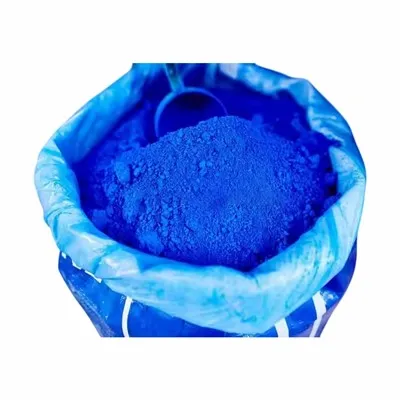
What is the solubility of acid dyes in different solvents?
Leave a message

As an acid dyes supplier deeply entrenched in the industry, I've witnessed firsthand the critical role that solubility plays in the performance and application of acid dyes. Solubility is not just a technical parameter; it's a fundamental characteristic that determines how these dyes interact with different solvents, which in turn affects their usability in various industrial processes. In this blog, I'll delve into the solubility of acid dyes in different solvents, exploring the factors that influence it and the implications for our customers.
Understanding Acid Dyes
Acid dyes are a class of synthetic dyes that are typically used to color protein fibers such as wool, silk, and nylon. They are called acid dyes because they are usually applied in an acidic dye bath. These dyes are known for their bright colors, good fastness properties, and ease of application. Acid dyes come in a wide range of colors, including blues, reds, yellows, and greens, and they can be used in a variety of applications, such as textile dyeing, leather coloring, and paper staining.
Solubility Basics
Solubility refers to the ability of a substance (the solute) to dissolve in a solvent to form a homogeneous solution. In the context of acid dyes, solubility is the measure of how much of the dye can dissolve in a given amount of solvent at a specific temperature and pressure. The solubility of acid dyes is influenced by several factors, including the chemical structure of the dye, the nature of the solvent, temperature, and pH.
Factors Affecting Solubility
Chemical Structure of the Dye
The chemical structure of an acid dye plays a significant role in its solubility. Dyes with more polar functional groups, such as sulfonic acid groups (-SO₃H), are generally more soluble in polar solvents like water. These polar groups can form hydrogen bonds with water molecules, facilitating the dissolution process. For example, Acid Blue 7 has a relatively high solubility in water due to the presence of sulfonic acid groups in its structure. On the other hand, dyes with non - polar or hydrophobic groups may have lower solubility in water but higher solubility in non - polar solvents.
Nature of the Solvent
The type of solvent used has a profound impact on the solubility of acid dyes. Solvents can be classified as polar or non - polar. Polar solvents, such as water, alcohols (e.g., ethanol), and glycols, have a high dielectric constant and can dissolve polar solutes effectively. Water is the most commonly used solvent for acid dyes because it is inexpensive, readily available, and environmentally friendly. Many acid dyes are formulated to be water - soluble, making them suitable for textile dyeing processes that use water as the medium.
Non - polar solvents, such as hydrocarbons (e.g., toluene, hexane), have a low dielectric constant and are better at dissolving non - polar or hydrophobic substances. Some acid dyes may have limited solubility in non - polar solvents, but in certain applications where non - aqueous systems are required, such as in some specialty coatings or inks, dyes with better solubility in non - polar solvents may be preferred.
Temperature
Temperature is another important factor affecting solubility. In general, the solubility of acid dyes in solvents increases with increasing temperature. This is because higher temperatures provide more energy to break the intermolecular forces holding the dye molecules together and to overcome the energy barrier for dissolution. For example, when dyeing textiles, raising the temperature of the dye bath can increase the solubility of the acid dye, allowing for better penetration and more uniform dyeing. However, there is a limit to this effect, as some dyes may decompose or undergo chemical changes at very high temperatures.
pH
The pH of the solvent can also influence the solubility of acid dyes. Acid dyes are usually applied in an acidic medium, and the pH can affect the ionization state of the dye molecules. In an acidic solution, the sulfonic acid groups in acid dyes are in their protonated form, which can enhance their solubility in water. Changing the pH can alter the charge distribution on the dye molecules, affecting their interaction with the solvent and other components in the dye bath. For instance, a significant change in pH may cause the dye to precipitate out of solution, leading to uneven dyeing or other quality issues.
Solubility in Different Solvents
Water
Water is the most widely used solvent for acid dyes. As mentioned earlier, many acid dyes are designed to be water - soluble due to the presence of polar functional groups. Water - soluble acid dyes are easy to handle, and the dyeing process using water as the solvent is relatively simple and cost - effective. For example, Acid Blue 9 is highly soluble in water and is commonly used in textile dyeing applications where water is the primary medium. The solubility of acid dyes in water can be further enhanced by adding certain additives, such as electrolytes or surfactants, which can improve the wetting and dispersion of the dye particles.
Alcohols
Alcohols, such as ethanol and methanol, are also used as solvents for acid dyes in some applications. They are polar solvents with a lower dielectric constant than water. Alcohols can dissolve some acid dyes that have limited solubility in water, and they can also be used in combination with water to adjust the solubility and other properties of the dye solution. For example, in some inkjet printing applications, alcohol - based solvents are used to improve the drying time and print quality of acid dyes. However, alcohols are more volatile and flammable than water, so proper safety precautions need to be taken when using them.
Glycols
Glycols, such as ethylene glycol and propylene glycol, are polar solvents with high boiling points and low volatility. They have good solubility for many acid dyes and can be used in applications where a more stable and less volatile solvent is required. Glycols can also act as humectants, preventing the dye solution from drying out too quickly. In some textile finishing processes, glycol - based solutions are used to improve the color fastness and durability of acid dyes.
Non - polar Solvents
Non - polar solvents, such as toluene and hexane, have limited solubility for most acid dyes. However, in some specialized applications, such as in the production of certain types of coatings or inks, acid dyes with improved solubility in non - polar solvents may be used. These dyes are often modified chemically to increase their hydrophobicity and compatibility with non - polar solvents.
Implications for Customers
The solubility of acid dyes in different solvents has several implications for our customers. In textile dyeing, the choice of solvent and the solubility of the dye can affect the dyeing process, the quality of the dyed product, and the environmental impact. Using water - soluble acid dyes reduces the use of hazardous solvents and simplifies the waste treatment process. On the other hand, in some industrial applications where non - aqueous systems are required, the solubility of acid dyes in non - polar solvents becomes crucial for achieving the desired performance.
Customers need to consider the solubility of acid dyes when selecting the appropriate dye for their specific application. They should also be aware of the factors that can affect solubility, such as temperature and pH, and take appropriate measures to ensure optimal dyeing results. As a supplier, we provide technical support and guidance to our customers to help them choose the right acid dyes and solvents for their needs.


Conclusion
The solubility of acid dyes in different solvents is a complex but crucial aspect of their performance and application. Understanding the factors that influence solubility, such as the chemical structure of the dye, the nature of the solvent, temperature, and pH, is essential for achieving high - quality dyeing results in various industries. As an acid dyes supplier, we are committed to providing our customers with high - quality dyes with excellent solubility properties and offering them the technical support they need. If you are interested in purchasing acid dyes or have any questions about their solubility and application, please feel free to contact us for further discussion and negotiation.
References
- Allen, R. L. M. (Ed.). (2011). The chemistry of synthetic dyes. Elsevier.
- Zollinger, H. (2003). Color chemistry: Synthesis, properties, and applications of organic dyes and pigments. Wiley - VCH.
- Lewis, D. M. (2007). Textile dyeing and finishing. Woodhead Publishing.