What is the difference between basic dyes and acid dyes?
Leave a message

Hey there! If you're into the world of dyes, you've probably heard about basic dyes and acid dyes. As a basic dyes supplier, I've got a ton of experience with these two types of dyes, and I'm super excited to share the differences between them with you.
Let's start with the basics (pun intended). Basic dyes, as the name suggests, are dyes that have a basic nature. They are cationic, which means they carry a positive charge. This positive charge allows them to bind well to materials that have a negative charge, like animal fibers such as wool, silk, and leather. They're also great for coloring paper, acrylic fibers, and some types of synthetic materials.
Acid dyes, on the other hand, are anionic, meaning they have a negative charge. They work best on materials that have a positive charge, mainly protein - based fibers like wool, silk, and nylon. Acid dyes are also commonly used in the food industry for coloring various products and in the cosmetics industry for things like hair dyes.
Chemical Composition
When it comes to chemical composition, basic dyes are usually derived from synthetic sources. They often contain nitrogen - based compounds that give them their positive charge. For example, many basic dyes have a structure with an amino group or a substituted amino group, which can be protonated in solution to form a positively charged ion.
Acid dyes, in contrast, are typically organic compounds with sulfonic acid or carboxylic acid groups. These groups dissociate in water to release a hydrogen ion, leaving behind a negatively charged ion. This negative charge is what allows acid dyes to interact with positively charged sites on the fibers they're used to color.
Color and Shade
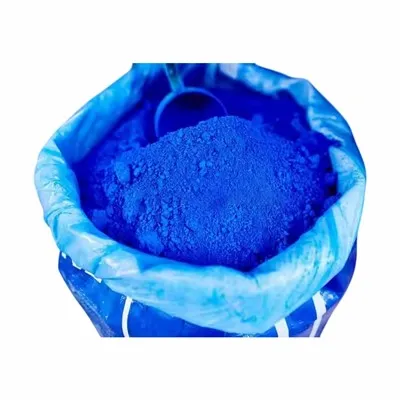
One of the most noticeable differences between basic dyes and acid dyes is the color and shade they can produce. Basic dyes are known for their bright, vivid colors. They can create intense and eye - catching shades that are hard to achieve with other types of dyes. For instance, Basic Brown1 offers a rich, warm brown color that can add a touch of elegance to any material it colors. Basic Blue7 and Basic Blue11 provide deep, vibrant blue shades that are perfect for making a bold statement.
Acid dyes, while they can also produce a wide range of colors, tend to have a more subdued and natural look. They are great for creating pastel shades and more subtle color variations. This makes them a popular choice for applications where a softer, more understated color is desired, like in some high - end fashion items made from wool or silk.
Dyeing Process
The dyeing process for basic dyes and acid dyes also differs significantly. Basic dyes are relatively easy to use. They can be applied to the material in a simple aqueous solution at a slightly acidic to neutral pH. The positive charge of the basic dye allows it to quickly and easily attach to the negatively charged fibers. This means that the dyeing process is usually fast, and you can achieve good color penetration in a relatively short time.
Acid dyes, however, require a more acidic environment for effective dyeing. A common practice is to add an acid, such as acetic acid, to the dye bath to lower the pH. This helps to protonate the amino groups on the fibers, creating positively charged sites for the negatively charged acid dye to bind to. The dyeing process with acid dyes can be a bit more time - consuming and requires more careful control of the dye bath conditions, such as temperature and pH, to ensure consistent and even color.
Fastness Properties
Fastness properties refer to how well a dye retains its color over time, especially when exposed to factors like washing, light, and rubbing. Basic dyes generally have good color fastness to light, but their fastness to washing can vary. Some basic dyes may bleed or fade when washed, especially if they're not properly fixed to the fibers. However, with the right fixing agents and dyeing techniques, the washing fastness of basic dyes can be improved.
Acid dyes typically have excellent fastness properties. They are known for their good resistance to washing, light, and rubbing. This makes them a great choice for products that will be subjected to frequent use and cleaning, like clothing and upholstery.
Applications
As a basic dyes supplier, I've seen basic dyes being used in a wide variety of applications. In the textile industry, they're used to color synthetic fibers like acrylic and modacrylic, which don't take up other types of dyes very well. Basic dyes are also popular in the paper industry for coloring paper products, such as tissue paper and wrapping paper. They can create bright and attractive colors that make the paper stand out.


Acid dyes, as mentioned earlier, are widely used in the fashion industry for dyeing wool, silk, and nylon fabrics. They're also used in the food and beverage industry to color products like candies, soft drinks, and dairy products. In the cosmetics industry, acid dyes are used in hair dyes and some makeup products.
Cost
Cost is another factor to consider when choosing between basic dyes and acid dyes. Basic dyes are generally more cost - effective. They are relatively easy to produce, and the raw materials used in their manufacturing are often less expensive. This makes them a great option for applications where cost is a major concern, like large - scale industrial dyeing.
Acid dyes, on the other hand, can be more expensive. The manufacturing process for acid dyes is often more complex, and the raw materials can be costlier. However, their excellent fastness properties and ability to produce high - quality colors may justify the higher cost in some applications.
Conclusion
So, there you have it - the main differences between basic dyes and acid dyes. As a basic dyes supplier, I firmly believe that basic dyes offer a lot of advantages, especially in terms of color intensity, cost - effectiveness, and ease of use. Whether you're in the textile, paper, or any other industry that requires dyeing, basic dyes can be a great choice for achieving the colors you want.
If you're interested in learning more about our basic dyes or are looking to place an order, I'd love to have a chat with you. Just reach out, and we can discuss your specific needs and how our basic dyes can meet them. Whether you're a small - scale crafter or a large - scale manufacturer, we've got the right basic dyes for you.
References
- Zollinger, H. (2003). Color Chemistry: Syntheses, Properties and Applications of Organic Dyes and Pigments. Wiley - VCH.
- Lewis, D. M. (Ed.). (2001). The Chemistry of Synthetic Dyes. Academic Press.