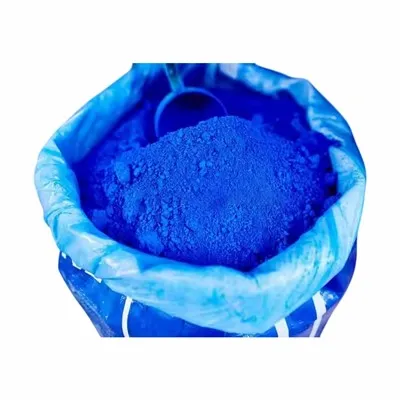
What is the best solvent for solvent dyes?
Leave a message

When it comes to solvent dyes, one of the most critical factors that significantly impacts their performance is the choice of solvent. As a reputable solvent dyes supplier, I've encountered numerous inquiries from customers regarding the best solvents for these dyes. In this blog post, I'll delve into the key considerations and highlight some of the top solvents for solvent dyes.
Understanding Solvent Dyes
Solvent dyes are a type of dyes that are soluble in organic solvents rather than water. They are widely used in various industries, including plastics, inks, coatings, and fuels, to impart vibrant and long - lasting colors. The solubility of solvent dyes in specific solvents determines how well they can be dispersed, mixed, and applied in different applications.
Key Factors in Selecting a Solvent for Solvent Dyes
- Solubility: The most fundamental requirement is that the solvent must be able to dissolve the solvent dye effectively. A high solubility ensures uniform color distribution and prevents issues such as dye precipitation or agglomeration during the application process. Different solvent dyes have different solubility profiles, so it's essential to match the dye with a compatible solvent.
- Chemical Compatibility: The solvent should not react chemically with the solvent dye or other components in the formulation. Chemical reactions can alter the color, stability, and performance of the dye. For example, some solvents may cause oxidation or hydrolysis of the dye molecules, leading to color fading or changes in hue.
- Evaporation Rate: The evaporation rate of the solvent is crucial, especially in applications such as inks and coatings. A solvent with a too - fast evaporation rate may cause the dye to dry too quickly, resulting in uneven color distribution or poor adhesion. On the other hand, a solvent with a very slow evaporation rate may lead to long drying times and potential smudging or running.
- Safety and Environmental Impact: In today's regulatory environment, safety and environmental considerations are of utmost importance. The solvent should be non - toxic, non - flammable, and have a low volatile organic compound (VOC) content. This not only ensures the safety of workers but also complies with environmental regulations.
- Cost - effectiveness: Cost is always a consideration in any industrial application. The solvent should provide good performance at a reasonable cost. Sometimes, a more expensive solvent may offer better solubility or other benefits, but it's necessary to balance the cost against the overall performance requirements.
Top Solvents for Solvent Dyes
Aromatic Hydrocarbons
Aromatic hydrocarbons, such as toluene and xylene, are commonly used solvents for solvent dyes. They have excellent solubility for many solvent dyes and are relatively inexpensive. Toluene, in particular, has a moderate evaporation rate, which makes it suitable for a wide range of applications, including inks and coatings. However, it has a relatively high VOC content and is flammable, so proper safety precautions need to be taken during handling.
Xylene is another popular choice. It has a slightly higher boiling point than toluene, which means it evaporates more slowly. This can be advantageous in applications where a longer drying time is required. Xylene is also known for its good chemical stability and compatibility with many solvent dyes. For example, when using Solvent Orange 60, toluene or xylene can be used as solvents to achieve a bright and uniform orange color.
Alcohols
Alcohols, such as ethanol and isopropanol, are also widely used solvents for solvent dyes. They are relatively safe, with low toxicity and flammability compared to aromatic hydrocarbons. Ethanol is a common choice in applications where food - contact or pharmaceutical - grade solvents are required. It has a fast evaporation rate, which makes it suitable for applications such as quick - drying inks.
Isopropanol, on the other hand, has a slightly slower evaporation rate than ethanol and is often used in formulations where a more controlled drying process is needed. Alcohols can be used to dissolve many types of solvent dyes, including Solvent Violet 59. However, their solubility for some solvent dyes may be lower compared to aromatic hydrocarbons, so careful formulation is required.
Esters
Esters, such as ethyl acetate and butyl acetate, are popular solvents due to their good solubility for solvent dyes, moderate evaporation rates, and relatively low toxicity. Ethyl acetate has a fast evaporation rate and is commonly used in inks and coatings that require quick drying. It has a pleasant odor and is often used in consumer products.
Butyl acetate has a slower evaporation rate than ethyl acetate and is more suitable for applications where a longer open time is needed. Esters are also known for their good compatibility with polymers and resins, which makes them ideal for use in coatings and plastics. For instance, Solvent Yellow 163 can be effectively dissolved in esters to achieve a bright yellow color in various applications.
Ketones
Ketones, such as acetone and methyl ethyl ketone (MEK), are powerful solvents with high solubility for many solvent dyes. Acetone has a very fast evaporation rate and is often used in applications where rapid drying is essential, such as in some types of inks. However, it is highly flammable and has a strong odor.
MEK has a slightly slower evaporation rate than acetone and is less volatile. It is commonly used in coatings and adhesives. Ketones are generally very effective in dissolving solvent dyes, but their high reactivity with some materials needs to be considered. They can also have a relatively high VOC content, so proper ventilation is required during use.


Application - Specific Considerations
- Plastics: In the plastics industry, solvents are often used to color plastic resins during the manufacturing process. The solvent should be able to dissolve the dye and disperse it evenly in the plastic matrix. Aromatic hydrocarbons and some esters are commonly used solvents for this application. The solvent should also be compatible with the plastic resin to avoid any adverse effects on the mechanical properties of the plastic.
- Inks: For inks, the evaporation rate of the solvent is a critical factor. Solvents with a fast evaporation rate are preferred for quick - drying inks, while those with a slower rate may be used for inks that require a longer open time. Alcohols, esters, and some aromatic hydrocarbons are commonly used solvents in inks. The solvent should also have good wetting properties to ensure proper adhesion of the ink to the substrate.
- Coatings: Coatings require solvents that can dissolve the dye, provide good flow and leveling properties, and evaporate at an appropriate rate. Esters, ketones, and some aromatic hydrocarbons are often used in coatings. The solvent should also be compatible with the resin system in the coating to ensure good film formation and durability.
Conclusion
Selecting the best solvent for solvent dyes is a complex process that requires careful consideration of multiple factors, including solubility, chemical compatibility, evaporation rate, safety, and cost - effectiveness. Different solvents have their own advantages and disadvantages, and the choice depends on the specific application requirements.
As a solvent dyes supplier, we are committed to providing our customers with high - quality dyes and comprehensive technical support. If you are looking for the right solvent dyes for your application or need advice on solvent selection, we are here to help. Contact us for more information and to start a procurement discussion. We can work together to find the best solutions that meet your specific needs.
References
- Zollinger, H. (2003). Color Chemistry: Syntheses, Properties and Applications of Organic Dyes and Pigments. Wiley - VCH.
- Wypych, G. (2017). Handbook of Solvents. ChemTec Publishing.