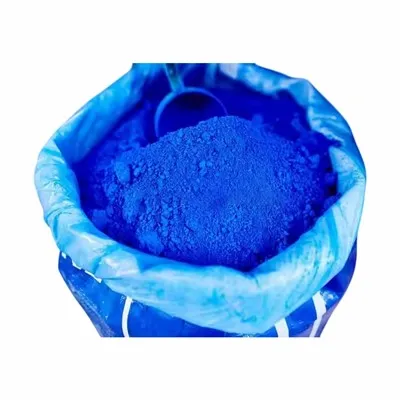
What are the applications of basic dyes?
Leave a message

Hey there! As a supplier of basic dyes, I'm super excited to share with you all the amazing applications of these colorful wonders. Basic dyes are a type of synthetic dyes that are positively charged, and they've got a wide range of uses across various industries. Let's dive right in!
Textile Industry
One of the most well - known applications of basic dyes is in the textile industry. These dyes are great for coloring synthetic fibers like acrylic, polyester, and nylon. Why? Well, they have a strong affinity for these types of fibers, which means they can create bright, long - lasting colors.
For example, when you see those vividly colored acrylic sweaters or polyester scarves in the store, there's a good chance they were dyed with basic dyes. The dyes bond well with the fibers, resulting in colors that don't fade easily, even after multiple washes. And the range of colors you can achieve is just mind - blowing. From the deep, rich reds to the eye - catching blues and sunny yellows, basic dyes can make any textile stand out.
Take Basic Red1:1 for instance. It's a popular choice for giving textiles a bold, vibrant red hue. This dye can be used in both small - scale handicrafts and large - scale textile manufacturing. Whether you're a DIY enthusiast making your own fabric accessories or a big textile factory churning out thousands of pieces, Basic Red1:1 can get the job done.
Paper Industry
Basic dyes also play a crucial role in the paper industry. They're used to color paper products, including writing paper, packaging paper, and even specialty papers like those used for greeting cards and art prints.
The advantage of using basic dyes in paper is that they can produce high - intensity colors. You can get really bright and vivid papers that are sure to catch people's attention. For example, if you're designing a fancy invitation card, using paper dyed with a basic dye can make it look more luxurious and eye - catching.


Basic Blue11 is often used in the paper industry to create beautiful blue - tinted papers. The dye is absorbed well by the paper fibers, resulting in a smooth and even color distribution. Whether it's for a corporate report cover or a children's coloring book, Basic Blue11 can add that extra pop of color.
Leather Industry
In the leather industry, basic dyes are used to color leather goods such as shoes, bags, and belts. They offer a great way to achieve a wide range of colors on leather, from natural - looking earth tones to bright, trendy shades.
The reason basic dyes work well on leather is that they can penetrate the leather fibers, giving a deep and long - lasting color. And they can be easily mixed to create custom colors. For example, if you want a unique shade of purple for a leather handbag, you can mix different basic dyes to get just the right color.
Basic Orange2 is a fantastic option for leather. It can give leather a warm, inviting orange color that's perfect for summer accessories. Whether it's a pair of orange leather sandals or an orange leather wallet, Basic Orange2 can make the leather look stylish and high - quality.
Biological Staining
Another interesting application of basic dyes is in biological staining. Scientists use these dyes to stain biological specimens, such as cells and tissues, so they can be observed under a microscope more easily.
Basic dyes are attracted to negatively charged components in cells, like DNA and RNA. By staining these components, scientists can study the structure and function of cells in more detail. For example, in a biology lab, a basic dye might be used to stain a slide of bacteria so that the scientists can see the shape and arrangement of the bacteria clearly.
Cosmetics Industry
Basic dyes also find their way into the cosmetics industry. They're used to color various cosmetic products, such as lipsticks, eyeshadows, and nail polishes.
These dyes can create intense and long - lasting colors in cosmetics. However, it's important to note that only certain basic dyes are approved for use in cosmetics, as they need to meet strict safety standards. When formulating cosmetics, manufacturers carefully select basic dyes that are non - toxic and skin - friendly.
Food Industry (with limitations)
In some cases, basic dyes can be used in the food industry, but with strict regulations. They can be used to color certain food products, but only those that are approved by food safety authorities.
For example, some basic dyes might be used to color confectionery items like hard candies or gummies. However, the use of basic dyes in food is limited due to potential health risks, and manufacturers have to follow very strict guidelines to ensure the safety of the products.
Ink Industry
The ink industry also relies on basic dyes. They're used to make inks for various printing purposes, including inkjet printing, screen printing, and offset printing.
Basic dyes can create bright, clear colors in inks, which is essential for high - quality printing. Whether it's printing a colorful poster or a detailed brochure, inks made with basic dyes can produce sharp and vivid images.
So, as you can see, basic dyes have a wide range of applications across different industries. And as a supplier of basic dyes, I can offer you high - quality products that meet the needs of your specific industry. Whether you're in the textile, paper, leather, or any other industry that uses basic dyes, I've got you covered.
If you're interested in purchasing basic dyes for your business, I'd love to have a chat with you. We can discuss your requirements, the best products for your needs, and the pricing. Just reach out, and we can start this colorful journey together!
References
- "Dye Chemistry" by Geoffrey M. Hallas
- "The Chemistry of Synthetic Dyes" edited by K. Venkataraman
- Industry reports on the use of basic dyes in various sectors.