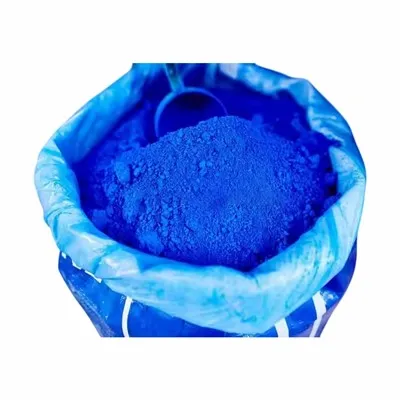
What are acid dyes?
Leave a message

Hey there! I'm an acid dyes supplier, and today I'm gonna spill the beans on what acid dyes are. So, buckle up and let's dive right in!
What Exactly Are Acid Dyes?
Acid dyes are a type of synthetic dye that's widely used in the textile, leather, and even food industries. They're called "acid dyes" because they usually need an acidic environment to work their magic and bond with the fibers. These dyes are water - soluble and come in a huge range of colors, from bright and bold to soft and pastel.
The way acid dyes work is pretty cool. They have a negative charge, and they bind to fibers that have a positive charge. In the case of textile fibers like wool, silk, and nylon, these fibers have amino groups that can pick up a positive charge in an acidic solution. Once the acid dye molecules get close to these positively - charged fibers, they form an ionic bond, which is what makes the color stick.
How Acid Dyes Are Made
Making acid dyes is a bit of a chemistry party. It usually starts with organic compounds, which are combined and reacted in a series of steps. Chemists use different raw materials and chemical reactions to create the specific color and properties they want.
For example, they might start with aromatic compounds like benzene or naphthalene. Through processes like sulfonation, diazotization, and coupling reactions, they can modify these compounds to form the acid dye molecules. The final product is then purified and formulated into a form that's easy to use, like a powder or a liquid.
Types of Acid Dyes
There are several types of acid dyes, each with its own characteristics and uses.
Leveling Acid Dyes
These are great for getting an even color across the fabric. They have a relatively low affinity for the fibers, which means they spread out evenly during the dyeing process. Leveling acid dyes are often used for light - to medium - shade dyeing of wool and nylon. They're also good for dyeing blends because they can give a uniform color to different types of fibers in the blend.
Milling Acid Dyes
Milling acid dyes have a higher affinity for the fibers compared to leveling acid dyes. They're used for darker shades and for fabrics that need to be resistant to washing and rubbing. These dyes are commonly used in the milling process of wool, which is why they're called milling acid dyes. They form stronger bonds with the fibers, making the color more fast - lasting.
Super - Milling Acid Dyes
As the name suggests, super - milling acid dyes are even more resistant to washing and other types of wear and tear. They're designed for fabrics that will be exposed to harsh conditions, like those used in outdoor clothing or heavy - duty upholstery. Super - milling acid dyes have very strong bonds with the fibers and can withstand multiple washings without losing much color.
Applications of Acid Dyes
Textile Industry
The textile industry is the biggest user of acid dyes. They're used to dye a wide variety of natural and synthetic fibers.
- Wool: Acid dyes are a perfect match for wool. They can create rich, vibrant colors on wool fabrics, whether it's for clothing, carpets, or blankets. The dyes bond well with the wool fibers, and the resulting colors are often very fast - fading.
- Silk: Silk also takes acid dyes beautifully. The dyes can enhance the natural sheen of silk, giving it a luxurious look. Silk scarves, lingerie, and high - end clothing are often dyed with acid dyes.
- Nylon: Nylon is a synthetic fiber that acid dyes can color very effectively. Nylon stockings, swimwear, and sportswear are some of the products that are commonly dyed with acid dyes.
Leather Industry
Acid dyes are used to color leather products. They can penetrate the leather and give it a uniform color. Leather shoes, handbags, and furniture upholstery are often dyed with acid dyes to achieve the desired color and appearance. The dyes can also improve the leather's resistance to light and abrasion.
Food Industry
Some acid dyes are approved for use in the food industry. They're used to color food products like candies, beverages, and desserts. However, the use of acid dyes in food is strictly regulated to ensure safety. For example, only certain types of acid dyes are allowed, and there are limits on the amount that can be used.


Popular Acid Dye Colors
There are so many amazing acid dye colors out there, but some are more popular than others.
- Acid Red 87: This is a bright and vivid red dye. It's often used in the textile industry to create eye - catching red shades on wool, silk, and nylon. Acid Red 87 can also be used in the leather industry to give leather products a bold red color.
- Acid Red 92: Another popular red acid dye. It has a slightly different shade compared to Acid Red 87, maybe a bit more pinkish or purplish. Acid Red 92 is used in a variety of applications, from dyeing clothing to coloring food products like red candies.
- Acid Blue 9: This is a classic blue acid dye. It gives a beautiful, deep blue color to fabrics and leather. Acid Blue 9 is widely used in the textile industry for dyeing everything from blue jeans to formal wear.
Advantages of Using Acid Dyes
- Wide Color Range: Acid dyes come in an almost endless variety of colors. Whether you need a bright neon color or a soft, muted tone, there's an acid dye for you.
- Good Color Fastness: Depending on the type of acid dye, they can have excellent color fastness. This means the color won't fade easily when the dyed product is washed, exposed to light, or rubbed.
- Easy to Use: Acid dyes are relatively easy to work with. They can be applied using simple dyeing methods, and they don't require a lot of special equipment.
Disadvantages of Acid Dyes
- Environmental Concerns: The production and use of acid dyes can have some environmental impacts. The chemicals used in the dyeing process can be harmful if not properly managed. There's also the issue of wastewater from dyeing factories, which can contain dyes and other pollutants.
- Limited Fiber Compatibility: Acid dyes mainly work on fibers that have amino groups, like wool, silk, and nylon. They don't work well on other fibers like cotton or polyester without special treatments.
Why Choose Us as Your Acid Dyes Supplier?
As an acid dyes supplier, we've got a lot to offer. We have a wide range of high - quality acid dyes in all sorts of colors and types. Whether you need leveling acid dyes for a light - shade project or super - milling acid dyes for heavy - duty applications, we've got you covered.
Our dyes are made with strict quality control measures to ensure they meet the highest standards. We also offer technical support to help you with your dyeing process. If you have any questions about which dye to use or how to achieve the best results, our team of experts is here to assist you.
If you're in the market for acid dyes, whether you're a small - scale crafter or a large - scale manufacturer, we'd love to hear from you. Contact us to start a discussion about your acid dyes needs. We can provide samples and quotes, and we're ready to work with you to find the perfect acid dyes for your projects.
References
- "Textile Dyeing and Finishing" by Lewis, D. M.
- "The Chemistry of Synthetic Dyes" by Venkataraman, K.