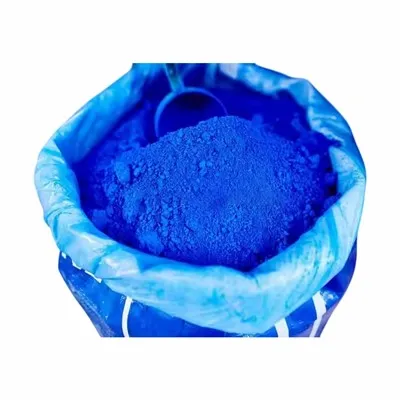
How to optimize the industrial dyeing process with direct dyes?
Leave a message

Hey there! As a direct dyes supplier, I've seen firsthand how crucial it is to optimize the industrial dyeing process. Direct dyes are a popular choice in the textile industry because they're easy to use and can produce a wide range of colors. In this blog post, I'll share some tips on how you can optimize your industrial dyeing process using direct dyes.
Understanding Direct Dyes
First things first, let's talk a bit about direct dyes. These dyes are water - soluble and can be applied directly to the fabric without the need for a mordant. They're great for cellulosic fibers like cotton, linen, and rayon. Direct dyes work by forming hydrogen bonds with the fibers, which gives them a relatively good color fastness.
One of the main advantages of direct dyes is their simplicity. You don't need to go through a complex process to get the color onto the fabric. This makes them a cost - effective option for many industrial dyeing operations. However, to get the best results, you still need to pay attention to a few key factors.
Pre - treatment of the Fabric
Before you start the dyeing process, it's essential to pre - treat the fabric properly. This helps to remove any impurities, such as dirt, oil, and sizing agents, that might interfere with the dyeing process. A good pre - treatment can also improve the absorbency of the fabric, allowing the direct dyes to penetrate more evenly.
You can use a mild detergent to wash the fabric. Make sure to rinse it thoroughly to remove all traces of the detergent. After washing, you can also perform a scouring process. Scouring involves treating the fabric with an alkaline solution at a high temperature. This helps to further clean the fabric and open up the fiber structure.
Choosing the Right Direct Dyes
There are a wide variety of direct dyes available in the market, each with its own unique properties. When choosing a direct dye for your industrial dyeing process, you need to consider several factors.
The color is, of course, a major consideration. You can find direct dyes in a vast range of colors, from bright and vivid to more muted tones. For example, Direct Brown Gtl is a great option if you're looking for a rich brown color. Direct Yellow 2gl can give you a beautiful, sunny yellow, and irect Red 4b is perfect for a classic red shade.
You also need to think about the color fastness. Color fastness refers to how well the dye will retain its color over time and under different conditions, such as washing, light exposure, and rubbing. Some direct dyes have better color fastness than others, so it's important to choose a dye that meets your specific requirements.
Dyeing Process Parameters
The dyeing process parameters, such as temperature, time, and pH, play a crucial role in the final outcome of the dyeing.
Temperature: Direct dyes generally work best at a certain temperature range. For most direct dyes, a temperature between 80 - 100°C is ideal. However, some dyes might require a lower or higher temperature. You need to follow the manufacturer's instructions carefully to ensure that you're using the right temperature.
Time: The dyeing time also affects the color intensity. Usually, a longer dyeing time will result in a deeper color. But you don't want to over - dye the fabric, as this can lead to uneven color or a loss of color fastness. Start with a shorter dyeing time and gradually increase it if needed.
pH: The pH of the dye bath can have a significant impact on the dyeing process. Direct dyes typically work best in a slightly alkaline to neutral pH range. You can use chemicals like soda ash to adjust the pH of the dye bath.
Adding Salt and Auxiliaries
Adding salt to the dye bath is a common practice when using direct dyes. Salt helps to improve the dye uptake by the fabric. It reduces the negative charge on the fiber surface, allowing the dye molecules to bind more easily. You can use common salt (sodium chloride) for this purpose.
In addition to salt, you might also want to use some auxiliaries. Auxiliaries can enhance the performance of the direct dyes in various ways. For example, leveling agents can help to ensure that the dye is distributed evenly on the fabric, preventing color streaks or patches. Fixing agents can improve the color fastness of the dyed fabric.
Post - treatment
After the dyeing process is complete, it's important to post - treat the fabric. Post - treatment helps to improve the color fastness and overall quality of the dyed fabric.


One common post - treatment method is soaping. Soaping involves washing the dyed fabric with a mild soap solution at a high temperature. This helps to remove any loose dye molecules that didn't bind to the fabric. After soaping, rinse the fabric thoroughly to remove all traces of the soap.
You can also use a fixing agent as a post - treatment. A fixing agent can form a chemical bond with the dye molecules, making them more resistant to washing and other forms of wear and tear.
Quality Control
Throughout the industrial dyeing process, it's crucial to implement a strict quality control system. This helps to ensure that the dyed fabric meets the required standards.
Regularly check the color of the dyed fabric. You can use a colorimeter or a spectrophotometer to measure the color accuracy. Compare the results with the standard color sample to make sure that the color is within the acceptable range.
Also, test the color fastness of the dyed fabric. There are various standard tests available, such as the wash fastness test, light fastness test, and rubbing fastness test. By conducting these tests, you can identify any potential issues and take corrective actions if necessary.
Cost - effectiveness
Optimizing the industrial dyeing process with direct dyes can also lead to cost savings. By following the tips mentioned above, you can reduce the amount of dye wasted and improve the efficiency of the dyeing process.
Using the right amount of direct dyes and auxiliaries is important. Over - using dyes or auxiliaries not only increases the cost but can also lead to environmental problems. By carefully controlling the dyeing process parameters, you can ensure that you're getting the best results with the least amount of resources.
Conclusion
Optimizing the industrial dyeing process with direct dyes requires a combination of proper pre - treatment, careful selection of dyes, precise control of process parameters, and effective post - treatment. By following these steps, you can achieve high - quality, evenly dyed fabrics with good color fastness.
If you're interested in learning more about direct dyes or have any questions about optimizing your industrial dyeing process, feel free to reach out. I'm here to help you find the best direct dyes for your needs and guide you through the entire dyeing process. Whether you're a small - scale textile manufacturer or a large industrial operation, we can work together to make your dyeing process more efficient and cost - effective.
References
- Lewis, M. (2007). The Dyeing of Textiles. Woodhead Publishing Limited.
- Zollinger, H. (2003). Color Chemistry: Synthesis, Properties and Applications of Organic Dyes and Pigments. Wiley - VCH.