How to improve the brightness of basic dyes?
Leave a message

Hey there! As a supplier of basic dyes, I've been getting a lot of questions lately about how to improve the brightness of these dyes. And let me tell you, it's a topic that's super important in our industry. Whether you're using basic dyes for textiles, paper, or even inks, a brighter color can really make your products stand out. So, in this blog, I'm going to share some tips and tricks that I've picked up over the years.


First off, let's talk about what basic dyes are. Basic dyes are cationic dyes, which means they have a positive charge. This positive charge allows them to bond well with materials that have a negative charge, like cellulose fibers in paper or certain synthetic fibers in textiles. They're known for their vivid colors and good solubility in water, but sometimes, getting that extra pop of brightness can be a bit tricky.
One of the most important factors in improving the brightness of basic dyes is the quality of the dye itself. Not all basic dyes are created equal. When you're sourcing your dyes, make sure you're getting them from a reliable supplier. We've spent years perfecting our dye-making process to ensure that our dyes have the highest level of purity. Impurities in the dye can dull the color and reduce its brightness. So, investing in high-quality dyes is the first step.
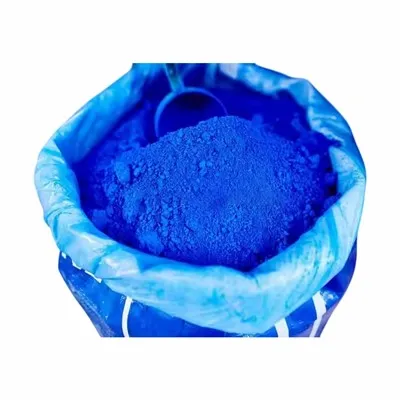
For example, our Basic Blue7 and Basic Blue9 are formulated to have excellent color intensity and brightness. These dyes have been carefully developed to meet the highest industry standards, and they're a great choice if you're looking for a really bright blue color.
Another key factor is the dyeing process. The way you apply the dye can have a huge impact on its brightness. Temperature is one of the most critical aspects. Different basic dyes have different optimal dyeing temperatures. If you dye at too low a temperature, the dye may not fully penetrate the material, resulting in a less bright color. On the other hand, if the temperature is too high, it can cause the dye to break down or fade.
You also need to pay attention to the pH level of the dye bath. Basic dyes work best in an acidic environment. A pH of around 4 - 6 is usually ideal. If the pH is too high, the dye may not bond properly to the material, and the color will be less bright. You can use acetic acid or other mild acids to adjust the pH of the dye bath.
The concentration of the dye in the bath is also crucial. Using too little dye will result in a pale color, while using too much can lead to uneven dyeing and may not necessarily make the color brighter. It's all about finding the right balance. You can start with a small amount of dye and gradually increase the concentration until you achieve the desired brightness.
Let's talk about the type of material you're dyeing. Different materials absorb dyes differently. Natural fibers like cotton and silk may require a different dyeing process compared to synthetic fibers like polyester or nylon. For natural fibers, you may need to pre - treat the material to improve its dyeability. This can involve scouring the fabric to remove any impurities or using a mordant. A mordant is a substance that helps the dye bond to the material more effectively.
For synthetic fibers, you may need to use a carrier. A carrier is a chemical that helps the dye penetrate the fibers. Some carriers can also enhance the brightness of the dye. However, you need to be careful when using carriers as they can be toxic and may require special handling.
After dyeing, the post - treatment process is also important. Rinsing the dyed material thoroughly is essential to remove any excess dye. If you leave excess dye on the material, it can make the color look dull over time. You can use a mild detergent to rinse the material, but make sure it's compatible with the dye.
Drying the dyed material properly is also crucial. Avoid high - heat drying methods as they can cause the dye to fade. Air - drying is often the best option, especially for delicate materials.
In addition to the dyeing process, there are some additives that you can use to improve the brightness of basic dyes. Optical brighteners are one such additive. These are chemicals that absorb ultraviolet light and re - emit it as visible light, making the color appear brighter. They can be added to the dye bath or used in a separate finishing treatment.
Another additive is a leveling agent. A leveling agent helps to ensure that the dye is evenly distributed on the material. This can prevent uneven coloration and make the overall color look brighter and more consistent.
Now, let's talk about storage. Proper storage of basic dyes is important to maintain their brightness. Dyes should be stored in a cool, dry place away from direct sunlight. Exposure to heat, moisture, and sunlight can cause the dyes to degrade and lose their brightness over time. Make sure the containers are tightly sealed to prevent air and moisture from getting in.
If you're having trouble getting the right brightness with your basic dyes, don't be afraid to experiment. Try different dyeing processes, additives, and materials to see what works best for you. You can also consult with a dyeing expert or your dye supplier. We're always here to help and offer advice on how to get the best results.
As a basic dyes supplier, we're committed to providing high - quality dyes and excellent customer service. If you're interested in purchasing our dyes or have any questions about improving the brightness of basic dyes, feel free to reach out. We can work with you to find the right solutions for your specific needs. Whether you're a small - scale crafter or a large - scale manufacturer, we've got the products and expertise to help you achieve the bright, vivid colors you're looking for.
In conclusion, improving the brightness of basic dyes involves a combination of using high - quality dyes, optimizing the dyeing process, using the right additives, and proper storage. By following these tips, you can enhance the brightness of your basic dyes and create products that really stand out.
References
- "The Chemistry of Dyes and Pigments" by Henry A. Lubs
- "Textile Dyeing and Finishing" by Peter A. Trotman