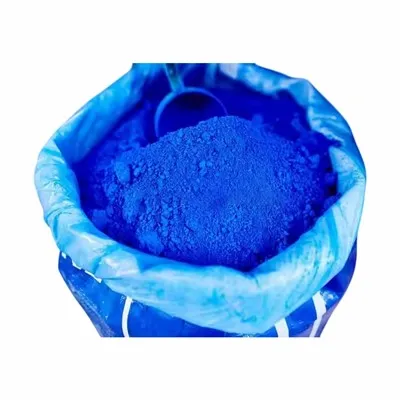
How to dye bamboo fiber with acid dyes?
Leave a message

As a seasoned supplier of acid dyes, I've witnessed firsthand the transformative power of these vibrant colorants in the textile industry. Bamboo fiber, with its natural luster, softness, and eco - friendliness, has become a popular choice for many textile applications. In this blog, I'll share some in - depth knowledge on how to dye bamboo fiber using acid dyes.
Understanding Acid Dyes and Bamboo Fiber
Acid Dyes
Acid dyes are a class of synthetic dyes that are water - soluble and are typically applied to fibers in an acidic bath. They are known for their bright colors, good color fastness, and excellent leveling properties. Acid dyes are composed of anionic dye molecules that form ionic bonds with the amino groups present in protein fibers or cationic sites on other fibers like bamboo.
Bamboo Fiber
Bamboo fiber is a regenerated cellulose fiber obtained from bamboo pulp. It has unique properties such as high moisture absorption, antibacterial activity, and good drapability. The structure of bamboo fiber contains hydroxyl groups that can interact with acid dyes under appropriate conditions.
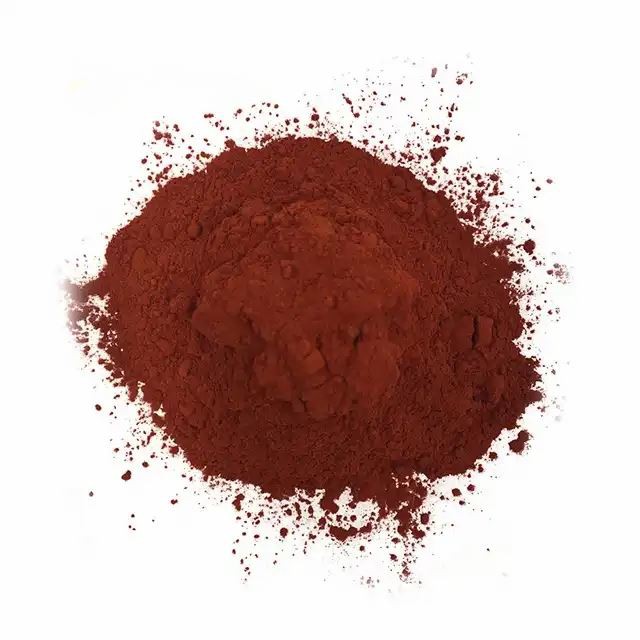

Pre - treatment of Bamboo Fiber
Before dyeing, it is crucial to pre - treat the bamboo fiber to ensure uniform dyeing and good color fastness.
Scouring
Scouring is the first step in pre - treatment. It involves removing impurities such as waxes, oils, and natural pigments from the bamboo fiber. A scouring solution typically contains an alkaline agent like sodium carbonate and a non - ionic surfactant. The bamboo fiber is soaked in the scouring solution at a temperature of around 80 - 90°C for 30 - 60 minutes. This process helps to open up the fiber structure, making it more accessible to the dye molecules.
Bleaching
Bleaching is often carried out after scouring to further improve the whiteness of the bamboo fiber. Hydrogen peroxide is a commonly used bleaching agent. The bleaching process is usually conducted at a pH of 9 - 11 and a temperature of 70 - 80°C for about 60 minutes. This step not only enhances the brightness of the final dyed color but also helps to remove any remaining natural colorants.
Dyeing Process
Dye Selection
When choosing acid dyes for bamboo fiber, consider factors such as color fastness, shade range, and compatibility with the fiber. Some popular acid dyes for bamboo fiber include Acid Black Att, Acid Red 92, and Acid Red 87. These dyes offer a wide range of colors and good color fastness properties.
Dye Bath Preparation
The dye bath is prepared by dissolving the acid dye in water. The amount of dye used depends on the desired shade and the weight of the bamboo fiber. A dyeing assistant such as sodium sulfate can be added to the dye bath to promote dye exhaustion. The pH of the dye bath is adjusted to an acidic range, typically between 3 - 6, using acetic acid or formic acid.
Dyeing Procedure
- Loading the Fiber: The pre - treated bamboo fiber is placed in the dye bath. The liquor ratio (the ratio of the weight of the fiber to the volume of the dye bath) is usually in the range of 1:10 to 1:30.
- Heating: The dye bath is slowly heated from room temperature to the dyeing temperature, which is typically around 80 - 100°C. The heating rate should be controlled to avoid uneven dyeing.
- Dyeing Time: The bamboo fiber is kept in the dye bath at the dyeing temperature for a certain period, usually 30 - 60 minutes. This allows the dye molecules to diffuse into the fiber and form bonds with the fiber.
- Cooling and Rinsing: After dyeing, the dye bath is slowly cooled to room temperature. The dyed bamboo fiber is then rinsed thoroughly with water to remove any unfixed dye.
Post - treatment
Post - treatment is essential to improve the color fastness and overall quality of the dyed bamboo fiber.
Soaping
Soaping is carried out to remove any surface - adhered dye and to improve the color fastness to washing. A soaping agent, such as a non - ionic detergent, is used. The dyed bamboo fiber is soaked in the soaping solution at a temperature of 60 - 80°C for 15 - 30 minutes.
Fixing
Fixing can further enhance the color fastness of the dyed bamboo fiber. A fixing agent, such as a cationic fixing agent, can be used. The dyed fiber is treated with the fixing agent at a suitable pH and temperature according to the manufacturer's instructions.
Troubleshooting
Uneven Dyeing
Uneven dyeing can occur due to improper pre - treatment, incorrect dyeing temperature, or uneven distribution of the dye in the bath. To solve this problem, ensure proper scouring and bleaching, control the heating rate during dyeing, and stir the dye bath regularly.
Poor Color Fastness
Poor color fastness can be caused by insufficient dye fixation or improper post - treatment. Make sure to use an appropriate fixing agent and follow the correct post - treatment procedures.
Quality Control
To ensure the quality of the dyed bamboo fiber, several tests can be conducted.
Color Fastness Tests
Color fastness tests, such as color fastness to washing, rubbing, and light, are important to evaluate the durability of the dyed color. These tests are carried out according to international standards, such as ISO or AATCC.
Color Measurement
Color measurement can be used to ensure the consistency of the dyed color. A spectrophotometer can be used to measure the color parameters such as L*, a*, and b* values.
Conclusion
Dyeing bamboo fiber with acid dyes is a complex but rewarding process. By following the proper pre - treatment, dyeing, and post - treatment procedures, you can achieve vibrant, long - lasting colors on bamboo fiber. As an acid dyes supplier, I'm committed to providing high - quality acid dyes and technical support to help you achieve the best results in your bamboo fiber dyeing projects.
If you're interested in purchasing acid dyes for your bamboo fiber dyeing needs or have any questions about the dyeing process, please feel free to contact us for further discussion and negotiation. We look forward to working with you to create beautiful and sustainable textile products.
References
- Textile Dyeing and Finishing Technology, by Xungai Wang
- Handbook of Fiber Science and Technology, Volume 3: High - Performance Fibers, by Menachem Lewin and Eli M. Pearce