How do cationic dyes work?
Leave a message

Hey there! As a supplier of cationic dyes, I often get asked about how these vibrant colorants actually work. So, let's dive right in and explore the fascinating world of cationic dyes together.
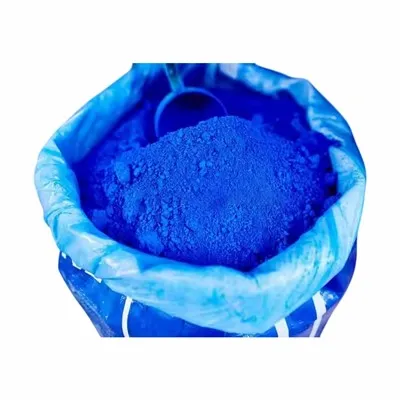
First off, what are cationic dyes? Well, cationic dyes are a type of synthetic dye that carry a positive charge. This positive charge is the key to their unique properties and how they interact with different materials. These dyes are known for their bright and intense colors, making them a popular choice in various industries, such as textiles, paper, and even inks.
So, how do they work? It all boils down to the principle of electrostatic attraction. You see, many materials that we want to dye, like certain fibers in textiles or the surface of paper, have a negative charge. When we introduce a cationic dye into the mix, the positively charged dye molecules are attracted to the negatively charged surface of the material. This attraction forms a strong bond between the dye and the material, allowing the color to adhere firmly.
Let's take a closer look at the process in the textile industry. When dyeing fabrics, the first step is to prepare the dye bath. This involves dissolving the cationic dye in water along with some other chemicals that help to control the dyeing process, like pH regulators and leveling agents. The fabric is then immersed in the dye bath, and as the temperature rises, the dye molecules start to move more freely.
The positive charge on the cationic dye molecules makes them seek out the negatively charged sites on the fabric fibers. Once they find these sites, they attach themselves through electrostatic forces. This attachment is so strong that it resists washing and fading, which is why cationic dyes are known for their excellent color fastness.
Another important aspect of how cationic dyes work is their solubility. These dyes are usually soluble in water, which makes them easy to work with in the dyeing process. However, their solubility can also be affected by factors like pH and temperature. For example, in an acidic environment, the solubility of cationic dyes can increase, which can lead to a more even dyeing process.
Now, let's talk about some specific applications of cationic dyes. One of the most common uses is in the dyeing of acrylic fibers. Acrylic fibers have a high affinity for cationic dyes because of their negative surface charge. When cationic dyes are used to dye acrylic fabrics, they produce bright and long-lasting colors that are resistant to fading and washing.
Cationic dyes are also used in the paper industry. They can be used to color paper products, such as tissue paper, packaging paper, and even currency paper. The strong bond between the dye and the paper fibers ensures that the color stays vibrant and doesn't rub off easily.
In the ink industry, cationic dyes are used to produce high-quality inks for printing. These inks are known for their sharp and vivid colors, which are perfect for applications like advertising, packaging, and digital printing.
One of our popular cationic dyes is Cationic Violet 16. It's a beautiful violet dye that offers excellent color fastness and solubility. This dye is widely used in the textile and paper industries to create stunning violet hues.
So, why choose cationic dyes from us? Well, we're a trusted supplier with years of experience in the industry. We offer a wide range of cationic dyes in different colors and shades to meet your specific needs. Our dyes are of the highest quality, and we ensure that they meet all the necessary safety and environmental standards.
If you're in the market for cationic dyes, whether it's for textile dyeing, paper coloring, or ink production, we'd love to hear from you. We can provide you with samples so you can test the dyes before making a purchase. Our team of experts is also available to offer you technical support and advice on how to use our dyes effectively.
Contact us today to start a discussion about your cationic dye requirements. We're confident that we can provide you with the perfect solution for your coloring needs.

References
- "Textile Dyeing and Finishing" by Christopher C. Cooke
- "The Chemistry of Synthetic Dyes" by K. Venkataraman