Can vat dyes be recycled?
Leave a message

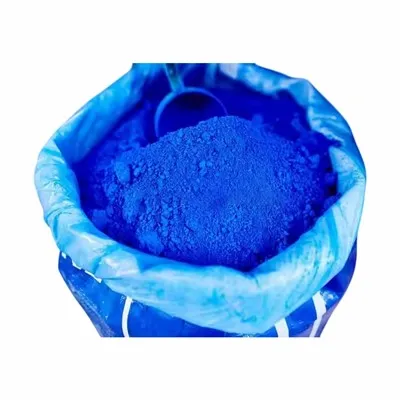
Vat dyes are a class of dyes known for their excellent color fastness and are widely used in the textile industry. As a supplier of vat dyes, I often encounter questions from customers regarding the recyclability of these dyes. In this blog, I will explore the possibility of recycling vat dyes, considering various aspects such as the dyeing process, chemical properties, and current recycling technologies.
Understanding Vat Dyes
Vat dyes are insoluble in water in their original state. They are first reduced to a soluble leuco form in an alkaline solution using a reducing agent such as sodium hydrosulfite. This leuco form can then be absorbed by the textile fibers. After the dyeing process, the leuco form is oxidized back to the insoluble form within the fibers, resulting in excellent color fastness.
Some common types of vat dyes include Vat Red R, Vat Grey M, and Vat Yellow Gcn. These dyes are used to achieve a wide range of colors in textile dyeing.
Challenges in Recycling Vat Dyes
Chemical Complexity
Vat dyes have complex chemical structures. The reduction and oxidation processes involved in the dyeing operation change the chemical state of the dyes. Once the dye has been oxidized and fixed on the textile fibers, it becomes difficult to break it down and recover it in its original form. The chemical bonds formed during the oxidation process are strong, and separating the dye from the fibers without significant degradation is a challenging task.
Contamination
During the dyeing process, vat dyes can be contaminated with other substances such as impurities from the textile fibers, auxiliary chemicals used in the dye bath (such as salts, alkalis, and surfactants), and by - products of the reduction and oxidation reactions. These contaminants can interfere with the recycling process and make it difficult to obtain a pure and reusable dye.
Energy and Cost
Recycling vat dyes requires significant energy input. The processes of breaking down the dye - fiber bond, removing contaminants, and restoring the dye to its original chemical state often involve high - temperature and high - pressure conditions. Additionally, the cost of developing and operating recycling facilities, as well as the cost of the chemicals required for the recycling process, can be substantial. This makes the recycling of vat dyes economically unfeasible in many cases.
Current Recycling Approaches
Physical Separation
One approach to recycling vat dyes is physical separation. This can involve techniques such as filtration, centrifugation, and sedimentation to separate the dye particles from the dye bath or the textile waste. However, these methods are only effective for removing large - sized dye particles or aggregates. They are not suitable for separating the dye that has been chemically bound to the fibers.
Chemical Recycling
Chemical recycling methods aim to break down the dye - fiber bond and recover the dye in its original or a modified form. For example, some researchers are exploring the use of specific solvents or enzymes to break the chemical bonds between the dye and the fibers. However, these methods are still in the experimental stage, and more research is needed to optimize the processes and make them commercially viable.


Potential Solutions and Future Outlook
Green Chemistry Approaches
Developing more environmentally friendly and sustainable dyeing processes could reduce the need for recycling. For example, using renewable reducing agents and milder reaction conditions in the dyeing process can minimize the chemical complexity and contamination of the dye bath. This would make it easier to recover and reuse the dyes.
Collaboration and Research
Collaboration between dye suppliers, textile manufacturers, and research institutions is crucial for advancing the field of vat dye recycling. By sharing knowledge and resources, we can develop more efficient recycling technologies and overcome the current challenges. Governments and industry associations can also play a role by providing funding and incentives for research and development in this area.
Value - Added Recycling
Instead of simply trying to recover the dye in its original form, we could explore value - added recycling options. For example, the recovered dye could be used in lower - quality applications or as a raw material for the synthesis of other chemicals. This would increase the economic viability of the recycling process.
Conclusion
As a vat dye supplier, I understand the importance of sustainability in the textile industry. While the recyclability of vat dyes currently faces many challenges, there is still hope for the future. With continued research and development, and through the adoption of more sustainable practices, we may be able to find effective ways to recycle vat dyes.
If you are interested in our vat dyes, such as Vat Red R, Vat Grey M, and Vat Yellow Gcn, or if you have any questions about vat dye recycling, please feel free to contact us for further discussion and potential procurement. We are committed to providing high - quality products and solutions to meet your needs.
References
- "Textile Dyeing and Finishing" by Peter W. Foo.
- Journal articles on vat dye chemistry and recycling research from leading scientific journals in the field of textile chemistry.