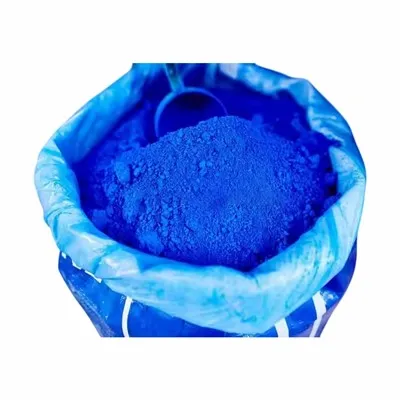
Can cationic dyes be used in combination with other dyes?
Leave a message

Cationic dyes, also known as basic dyes, are a class of synthetic dyes characterized by their positively charged chromophores. These dyes are highly effective in coloring various substrates, especially those with anionic sites such as acrylic fibers, cationic exchange resins, and some types of paper. As a supplier of cationic dyes, I often receive inquiries about whether cationic dyes can be used in combination with other dyes. In this blog post, I will explore this topic in detail, discussing the possibilities, limitations, and considerations when using cationic dyes in combination with other dye types.
Compatibility with Other Dye Classes
Anionic Dyes
Anionic dyes, such as acid dyes and direct dyes, carry a negative charge. When cationic dyes are mixed with anionic dyes, a chemical reaction occurs due to the electrostatic attraction between the positive and negative charges. This reaction results in the formation of insoluble complexes, which can lead to precipitation, staining, and poor dyeing results. Therefore, cationic dyes and anionic dyes are generally not compatible and should not be used together in the same dye bath.
However, there are some cases where cationic and anionic dyes can be used sequentially. For example, in a two - step dyeing process, the fabric can be first dyed with an anionic dye and then treated with a cationic dye. This approach requires careful control of the dyeing conditions, including pH, temperature, and dye concentration, to ensure that the dyes do not react with each other during the process.
Non - ionic Dyes
Non - ionic dyes, such as disperse dyes, do not carry a charge. In theory, cationic dyes can be used in combination with non - ionic dyes because there is no electrostatic interaction between them. However, the compatibility between cationic and non - ionic dyes depends on the specific dye structures and the dyeing conditions.
When using cationic and non - ionic dyes together, it is important to consider the solubility and affinity of each dye for the substrate. Some non - ionic dyes may have a different dyeing mechanism or require different dyeing conditions compared to cationic dyes. For example, disperse dyes are typically used for dyeing hydrophobic fibers at high temperatures, while cationic dyes are used for dyeing fibers with anionic sites at lower temperatures. Therefore, careful selection of dyes and optimization of the dyeing process are necessary to achieve satisfactory results.
Reactive Dyes
Reactive dyes form covalent bonds with the substrate during the dyeing process. Similar to anionic dyes, most reactive dyes are negatively charged. As a result, they are generally not compatible with cationic dyes in the same dye bath due to the formation of insoluble complexes.
However, in some special cases, it may be possible to use cationic and reactive dyes sequentially. For example, in a multi - color printing or dyeing process, the fabric can be first printed or dyed with a reactive dye and then treated with a cationic dye. This requires a thorough understanding of the chemical properties of the dyes and strict control of the dyeing conditions to prevent cross - reactions between the dyes.
Advantages of Using Cationic Dyes in Combination
Expanding Color Range
One of the main advantages of using cationic dyes in combination with other dyes is the ability to expand the color range. By mixing different dyes, it is possible to create a wider variety of colors and shades that cannot be achieved with a single dye. For example, combining a cationic red dye with a non - ionic blue dye may result in a unique purple color that is not available in the individual dye products.
Improving Dyeing Performance
In some cases, using cationic dyes in combination with other dyes can improve the overall dyeing performance. For example, non - ionic dyes may have good lightfastness, while cationic dyes may have excellent color strength. By combining these two types of dyes, it is possible to achieve a dyeing result that has both good lightfastness and high color strength.
Considerations When Using Cationic Dyes in Combination
Dye Selection
The first step in using cationic dyes in combination with other dyes is to carefully select the dyes. It is important to choose dyes that are chemically compatible with each other and have similar dyeing properties, such as solubility, affinity for the substrate, and dyeing temperature. Additionally, the dyes should be selected based on the desired color and performance requirements.
Dyeing Conditions
The dyeing conditions, including pH, temperature, time, and dye concentration, need to be carefully controlled when using cationic dyes in combination with other dyes. Different dyes may have different optimal dyeing conditions, and any deviation from these conditions can affect the dyeing results. For example, some cationic dyes may require a slightly acidic pH for optimal dyeing, while some non - ionic dyes may require a neutral or slightly alkaline pH.
Compatibility Testing
Before using cationic dyes in combination with other dyes on a large scale, it is recommended to conduct compatibility testing. This can be done by preparing small - scale dye baths with different combinations of dyes and testing the dyeing results on sample fabrics. The compatibility testing can help identify any potential problems, such as precipitation, staining, or poor color fastness, and allow for adjustments to be made to the dyeing process.
Case Study: Using Cationic Violet 16 in Combination
Cationic Violet 16 is a popular cationic dye known for its bright violet color and high color strength. It can be used in combination with other dyes to create unique color effects.
For example, when combined with a non - ionic yellow dye, Cationic Violet 16 can produce a range of greenish - violet colors. To achieve this, the dyeing process should be carefully controlled. First, the fabric should be pre - treated to ensure that it is clean and free of any impurities. Then, the non - ionic yellow dye can be applied to the fabric using the appropriate dyeing method and conditions. After that, Cationic Violet 16 can be added to the dye bath, and the dyeing process can be continued under the optimal conditions for the cationic dye.

Conclusion
In conclusion, cationic dyes can be used in combination with other dyes, but it requires careful consideration of the dye compatibility, dyeing conditions, and desired results. While there are limitations and challenges associated with using cationic dyes in combination, the potential benefits, such as expanding the color range and improving the dyeing performance, make it a viable option for many dyeing applications.
If you are interested in exploring the use of cationic dyes in combination with other dyes for your specific needs, I encourage you to contact me for more information. As a supplier of cationic dyes, I have extensive experience and knowledge in this field and can provide you with professional advice and high - quality dye products. Let's work together to achieve the best dyeing results for your projects.
References
- Zollinger, H. (2003). Color Chemistry: Synthesis, Properties and Applications of Organic Dyes and Pigments. Wiley - VCH.
- Christie, R. M. (2001). Dyeing of Textiles. Woodhead Publishing.
- Trotman, E. R. (1993). Dyeing and Chemical Technology of Textile Fibres. Charles Griffin & Company.