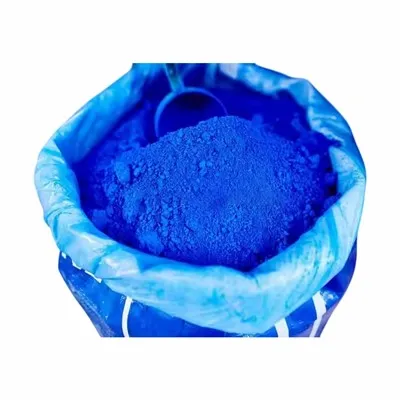
Can acid dyes be used for dyeing lace?
Leave a message

Can acid dyes be used for dyeing lace? This is a question that often arises among those involved in the textile and fashion industries. As an acid dyes supplier, I have extensive knowledge and experience in this area, and I'm excited to share my insights with you.
Understanding Acid Dyes
Acid dyes are a class of synthetic dyes that are commonly used in the textile industry. They are so named because they are applied to fibers in an acidic dye bath. These dyes are known for their bright colors, excellent colorfastness, and wide range of shades. Acid dyes are typically used to dye protein fibers such as wool, silk, and nylon, as well as some synthetic fibers.
The chemical structure of acid dyes allows them to form strong ionic bonds with the amino groups present in protein fibers. This results in a high degree of color penetration and excellent wash - fastness. When used on the appropriate fibers, acid dyes can produce vibrant, long - lasting colors that are resistant to fading, bleeding, and other forms of color loss.
Lace: A Delicate and Decorative Fabric
Lace is a delicate and intricate fabric that has been used for centuries in fashion and home decor. It is typically made from fine threads that are woven or knitted into a pattern of openwork. Lace can be made from a variety of fibers, including cotton, silk, nylon, and polyester.
The choice of fiber used to make lace has a significant impact on its properties and how it can be dyed. For example, natural fibers like silk and cotton have different dyeing characteristics compared to synthetic fibers like nylon and polyester. Silk is a protein fiber, which means it can be dyed with acid dyes, while cotton is a cellulose fiber and is not suitable for acid dyeing.
Dyeing Lace with Acid Dyes
So, can acid dyes be used for dyeing lace? The answer is yes, but it depends on the type of lace fiber.


Silk Lace
Silk lace is an ideal candidate for acid dyeing. Since silk is a protein fiber, it has amino groups that can form ionic bonds with acid dyes. When dyeing silk lace with acid dyes, the process typically involves preparing an acidic dye bath. The pH of the dye bath is usually adjusted to around 4 - 6 using an acid such as acetic acid.
The silk lace is then carefully immersed in the dye bath and gently agitated to ensure even color distribution. The temperature of the dye bath is gradually increased to allow the dyes to penetrate the fibers. After dyeing, the lace is rinsed thoroughly to remove any excess dye. The result is a beautifully dyed silk lace with rich, vibrant colors. For example, Acid Red 87 can be used to create a stunning red hue on silk lace, while Acid Black Att can produce a deep, elegant black.
Nylon Lace
Nylon is a synthetic fiber that also has some affinity for acid dyes. Nylon contains amide groups that can interact with acid dyes, although the dyeing mechanism is slightly different from that of protein fibers. When dyeing nylon lace with acid dyes, the process is similar to that of silk lace. The dye bath is prepared with an acidic pH, and the lace is immersed and agitated.
Nylon lace can achieve excellent color results with acid dyes. The colorfastness of acid - dyed nylon lace is generally good, making it suitable for a variety of applications. Acid Red 92 can be used to add a bright and eye - catching red color to nylon lace.
Cotton and Polyester Lace
Cotton and polyester lace are not suitable for acid dyeing. Cotton is a cellulose fiber, which lacks the amino groups necessary to form bonds with acid dyes. Polyester is a hydrophobic fiber that has no affinity for acid dyes. For these types of lace, other types of dyes such as reactive dyes (for cotton) and disperse dyes (for polyester) should be used.
Advantages of Using Acid Dyes for Lace Dyeing
- Vibrant Colors: Acid dyes can produce a wide range of bright and vivid colors, which can enhance the beauty of lace. Whether you want a bold red, a soft pastel, or a deep black, acid dyes can deliver the desired color.
- Good Colorfastness: Acid - dyed lace generally has good colorfastness, which means the colors will not fade easily during washing or exposure to light. This is important for maintaining the quality and appearance of the lace over time.
- Versatility: Acid dyes can be used on different types of lace made from protein and some synthetic fibers, providing a versatile dyeing option for lace manufacturers.
Challenges and Considerations
- Delicate Nature of Lace: Lace is a delicate fabric, and the dyeing process must be carried out carefully to avoid damage. The agitation during dyeing should be gentle to prevent the lace from snagging or tearing.
- Color Matching: Achieving the exact color match can be challenging, especially when dyeing large batches of lace. It is important to conduct test dyeings first to ensure the desired color is achieved.
- Environmental Impact: The use of acid dyes requires the use of acids to adjust the pH of the dye bath. This can have an environmental impact if not properly managed. It is important to follow proper waste disposal procedures to minimize the environmental footprint.
Conclusion
In conclusion, acid dyes can be used for dyeing lace, but only for lace made from protein fibers like silk and some synthetic fibers like nylon. Acid dyes offer many advantages, including vibrant colors and good colorfastness. However, the delicate nature of lace and the specific requirements of acid dyeing must be carefully considered.
If you are in the business of lace manufacturing or are looking to dye lace for a special project, and you need high - quality acid dyes, I invite you to contact me. I can provide you with a wide range of acid dyes, including Acid Black Att, Acid Red 87, and Acid Red 92, along with expert advice on the dyeing process.
References
- Textile Dyeing and Finishing by A. K. Samanta
- Handbook of Textile and Industrial Dyeing by M. Clark