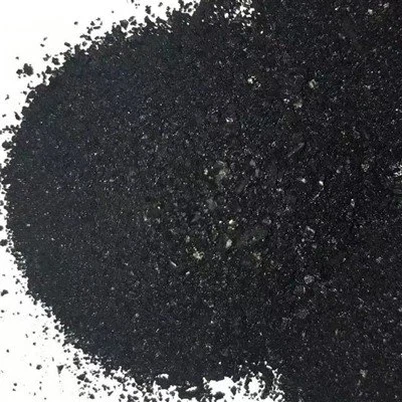
Indigo Blue Powder: Pigment Blue 1 C.I. 73000 CAS 860-22-0

Indigo Blue Powder: Pigment Blue 1 C.I. 73000 CAS 860-22-0 suppliers

Indigo Blue Powder: Pigment Blue 1 C.I. 73000 CAS 860-22-0 factory
Indigo Blue Powder: Pigment Blue 1 C.I. 73000 CAS 860-22-0 best
Indigo Blue Powder: Pigment Blue 1 C.I. 73000 CAS 860-22-0 high quality
Indigo Blue Powder: Pigment Blue 1 C.I. 73000 CAS 860-22-0
1. Basic Product Properties Indigo blue powder, chemically designated as C₁₆H₁₀N₂O₂, is a deep blue pigment with a characteristic copper-bronze metallic sheen. It is known in industrial contexts as C.I. Pigment Blue 1 or C.I. 73000, while its food-grade water-soluble derivative is called...
Description
1. Basic Product Properties
Indigo blue powder, chemically designated as C₁₆H₁₀N₂O₂, is a deep blue pigment with a characteristic copper-bronze metallic sheen. It is known in industrial contexts as C.I. Pigment Blue 1 or C.I. 73000, while its food-grade water-soluble derivative is called FD&C Blue No. 2 or Indigo Carmine (CAS 860-22-0). The powder is practically odorless and has a distinct property of being insoluble in water, ethanol, oils, and most common organic solvents. However, it will dissolve in concentrated sulfuric acid, hot aniline, and chloroform, producing yellow-green or blue solutions depending on the medium.
2. Key Quality Technical Parameters
For industrial applications, the purity of indigo blue powder typically ranges from 92% to 98%, while food-grade material is usually required to be at least 85% pure (measured as Indigo Carmine). Moisture content should not exceed 3.0%, as the powder tends to absorb humidity and form hard lumps. Water-insoluble matter is kept below 0.5% for textile dyeing applications to ensure even coloration. The fineness of the powder is critical: a 200-mesh or 325-mesh sieve pass rate of 95% or higher is standard, guaranteeing good dispersion in dye baths. The pH of a 1% aqueous suspension should be between 6.0 and 8.0, which is neutral to slightly alkaline. For food-grade products, heavy metal limits are strictly controlled, with lead below 2 parts per million and arsenic below 1 part per million. Color shade is evaluated against a standard sample under D65 light, where the primary wavelength around 580 nanometers produces a deep blue with a slight violet undertone.
3. Product Advantages and Limitations
The main advantages of synthetic indigo blue powder include its mature and well-established reduction-oxidation dyeing process, high exhaustion rate on fibers, and good wash fastness. It is the classic dye for cellulose fibers such as cotton, linen, and viscose, making it irreplaceable for denim production. Synthetic indigo is also cost-effective and offers excellent batch-to-batch consistency. However, the powder has significant limitations. It has poor light fastness, heat resistance, and oxidation stability, meaning it will fade over time when exposed to sunlight or high temperatures. Direct dyeing is impossible; the pigment must undergo a reduction process before it can fix to fabric. Additionally, the fine powder tends to become airborne easily and can be irritating to the eyes and respiratory tract.
4. Application Guidelines by Sector
For cotton and denim dyeing, the powder must first be reduced into its soluble leuco form (commonly called indigo white). This is done by mixing the powder with sodium hydroxide and sodium dithionite at approximately 60 degrees Celsius for 15 to 30 minutes, producing a pale yellow-green solution. Yarn or fabric is dipped into this solution, then removed and exposed to air or oxygen, which triggers oxidation and turns the material from yellow-green back to insoluble blue. This dip-and-oxidize cycle is repeated three to eight times depending on the depth of shade desired, typically using 3% to 8% indigo on the weight of the fiber for yarn dyeing or 5% to 15% for garment dyeing.
For wool and silk dyeing, a similar reduction process is used but in an acidic medium, or the powder can be applied as a pigment in textile printing at concentrations of 1% to 3% on the weight of the fiber. In food coloring, the water-soluble derivative Indigo Carmine is used instead of the insoluble powder. It is dissolved directly in water and added to products at levels of 0.05 to 0.2 grams per kilogram of finished product. For pharmaceutical tablet coating, indigo powder can be mixed directly with excipients at 0.1% to 1.0% of the tablet core weight, or the soluble form can be incorporated into coating solutions. In artists' paints and printing inks, the powder is milled and dispersed with binders and fillers, typically comprising 10% to 30% of the pigment paste.
5. Storage and Stability Requirements
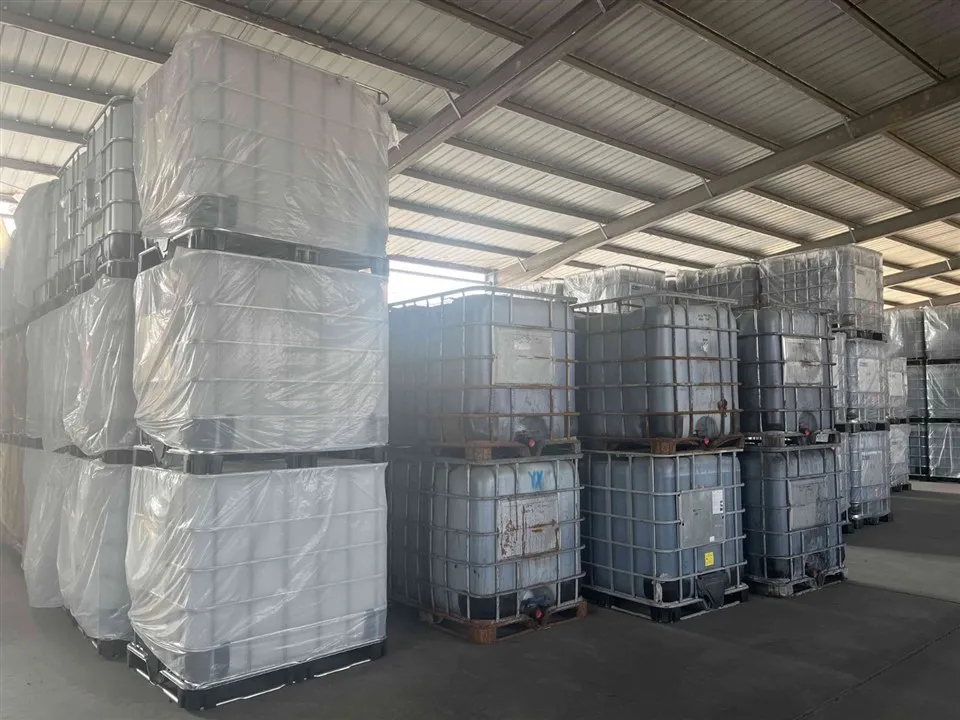
Indigo blue powder must be stored in sealed, airtight containers placed in a cool, dark, and dry environment. The recommended storage temperature is below 30 degrees Celsius, away from direct sunlight and sources of heat or open flame. Under these conditions, industrial-grade indigo has a shelf life of two years when unopened, while food-grade material should be used within one year. Signs of degradation include surface discoloration turning whitish or grayish, severe caking that cannot be broken easily, and a failure to turn into the characteristic yellow-green leuco form during reduction. It is critical to avoid storing indigo powder together with strong acids, alkalis, oxidizing agents, or reducing agents. Food-grade indigo requires even stricter segregation, including dedicated storage areas.
6. Safety and Regulatory Information
Indigo blue powder is not classified as a dangerous good for transport, but its fine dust is combustible. According to the Globally Harmonized System of classification, it can cause skin irritation, serious eye irritation, and respiratory tract irritation. Proper protective measures include wearing an N95 dust mask, safety goggles, and nitrile gloves. Operations that generate dust should be performed with local exhaust ventilation. In case of skin contact, wash thoroughly with plenty of water. If the powder gets into the eyes, rinse continuously for at least 15 minutes with clean water. If accidentally inhaled, move to fresh air. If swallowed, do not induce vomiting; rinse the mouth and seek medical attention.
Hot Tags: indigo blue powder: pigment blue 1 c.i. 73000 cas 860-22-0, China indigo blue powder: pigment blue 1 c.i. 73000 cas 860-22-0 manufacturers, suppliers, factory
Send Inquiry
You Might Also Like