Black Dye Comparison: Sulphur Black, Reactive Black & Direct Black – Mill Selection Guide
Sep 15, 2026
Leave a message
For black dyeing of cotton fabrics, the three most commonly used dye systems are sulphur black, reactive black and direct black. Faced with diverse end fabric requirements, how can dyeing mills select the most suitable option?
Multi-dimensional Comparison of the Three Black Dyes
| Comparison Items | Sulphur Black | Reactive Black | Direct Black |
|---|---|---|---|
| Black Depth & Shade | Extremely dense and jet black (ultra-deep black) | Moderate black (slightly reddish or greenish undertone) | Average |
| Wash Fastness | High (water-insoluble, resistant to repeated washing) | High (bonded via chemical covalent bonds) | Low (prone to fading) |
| Dyeing Cost | Low (high colour yield with low dosage) | Medium to relatively high | Low |
| Energy Saving | Moderately low dyeing temperature, fast exhaustion | Large amount of inorganic salt required for fixation, heavy washing process | Simple operation |
| Typical Applications | Denim, workwear, heavy-weight cotton fabrics | Fashion ladieswear, knitwear, high-end shirts | Low-grade shirts, lining fabrics |
Summary & Recommendations
- Prioritize sulphur black if ultra-high black depth, excellent wash fastness and strict cost control are required.
- Reactive black is recommended for soft fabric handfeel, bright shade and no fibre tendering risk.
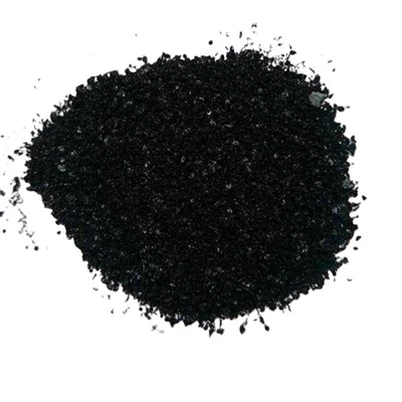
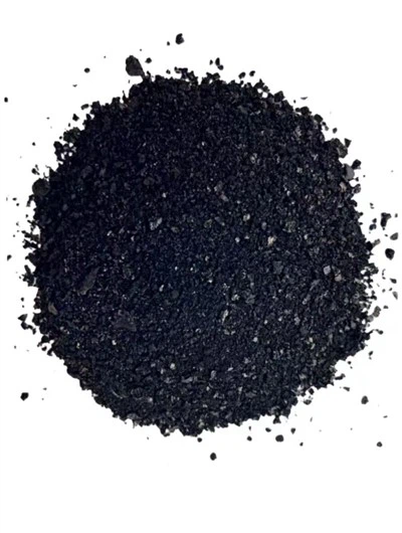
- Our high-quality sulphur black features improved solubility and optimized post-treatment processes. It delivers both outstanding handfeel and deep black shade, serving as an ideal solution for dyeing mills to cut overall costs.
Previous:No Information