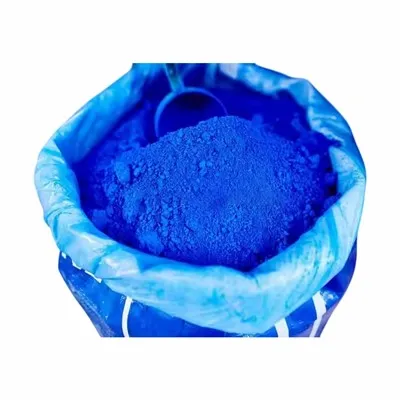
What is the oxidation resistance of Vat Blue Vb?
Leave a message

Vat Blue Vb is a well - known vat dye that has been widely used in the textile industry for its excellent coloring properties. One of the crucial aspects to consider when it comes to vat dyes is their oxidation resistance. In this blog, we'll explore what the oxidation resistance of Vat Blue Vb is, why it matters, and how it compares to other vat dyes.
Understanding Oxidation Resistance
Oxidation resistance refers to a substance's ability to withstand oxidation, a chemical reaction that involves the loss of electrons. In the context of vat dyes like Vat Blue Vb, oxidation resistance indicates how well the dye can maintain its color and structure when exposed to oxidizing agents. Oxidizing agents can include air, certain chemicals, and even sunlight in some cases.
When a vat dye is oxidized, it can lead to color fading, changes in hue, or even degradation of the dye molecule itself. The oxidation resistance of a dye is a key factor in determining its durability and long - term performance in various applications.
Oxidation Resistance of Vat Blue Vb
Vat Blue Vb is known for its relatively high oxidation resistance. This is due to its chemical structure. The dye molecule has a stable configuration that makes it less susceptible to the oxidative attack of common oxidizing agents.
In the textile industry, Vat Blue Vb is often used to dye cotton, linen, and other natural fibers. When these fibers are dyed with Vat Blue Vb, the dye forms strong bonds with the fiber molecules. This bond not only gives the fabric a deep, rich color but also helps protect the dye from oxidation.
The oxidation resistance of Vat Blue Vb allows the dyed fabrics to maintain their color over time, even when exposed to environmental factors such as air and sunlight. This is particularly important for products that are intended for long - term use, such as clothing, home textiles, and industrial fabrics.
Comparison with Other Vat Dyes
To better understand the oxidation resistance of Vat Blue Vb, it's useful to compare it with other vat dyes. For example, Vat Blue Rsn is another popular vat dye. While Vat Blue Rsn also has good oxidation resistance, Vat Blue Vb generally shows better performance in certain oxidative conditions.
Vat Blue Vb's chemical structure gives it an edge in terms of withstanding the effects of oxidation. The dye's molecular stability allows it to resist color changes even when exposed to relatively high levels of oxidizing agents.
Vat Grey M is a different type of vat dye. It has its own unique properties, but in terms of oxidation resistance, Vat Blue Vb outperforms it. Vat Grey M may be more prone to color fading under oxidative stress, especially when compared to the robust oxidation resistance of Vat Blue Vb.
Vat Yellow Gcn is yet another vat dye. Similar to the other comparisons, Vat Blue Vb stands out with its superior oxidation resistance. Vat Yellow Gcn may be more vulnerable to oxidation, which can result in color changes and reduced colorfastness over time.


Factors Affecting the Oxidation Resistance of Vat Blue Vb
Several factors can influence the oxidation resistance of Vat Blue Vb. One of the most significant factors is the dyeing process. If the dyeing process is not carried out correctly, it can affect the dye's ability to bond with the fiber properly. This can lead to a weaker dye - fiber bond, making the dye more susceptible to oxidation.
The concentration of the dye in the dye bath also plays a role. A higher concentration of Vat Blue Vb can sometimes lead to better oxidation resistance, as there is more dye available to form strong bonds with the fiber. However, it's important to find the right balance, as too high a concentration can lead to other issues such as uneven dyeing.
The pH of the dye bath is another crucial factor. The optimal pH for dyeing with Vat Blue Vb is typically in a specific range. If the pH is too high or too low, it can affect the dye's chemical properties and reduce its oxidation resistance.
Applications and Benefits of Vat Blue Vb's Oxidation Resistance
The high oxidation resistance of Vat Blue Vb makes it suitable for a wide range of applications. In the fashion industry, it is used to dye denim, which is known for its durability and long - lasting color. The oxidation resistance ensures that the denim retains its color even after multiple washes and exposure to sunlight.
In the home textile industry, Vat Blue Vb is used to dye curtains, bedding, and other items. The ability of the dye to resist oxidation means that these products will maintain their color and appearance for a long time, providing a high - quality and aesthetically pleasing product for consumers.
For industrial fabrics, such as those used in outdoor applications, the oxidation resistance of Vat Blue Vb is essential. These fabrics are often exposed to harsh environmental conditions, including sunlight, air pollution, and moisture. The dye's ability to withstand oxidation helps ensure that the fabrics maintain their color and structural integrity over time.
Conclusion
In conclusion, the oxidation resistance of Vat Blue Vb is a significant property that makes it a valuable dye in the textile industry. Its ability to withstand oxidation ensures long - lasting color and durability in a variety of applications. Compared to other vat dyes like Vat Blue Rsn, Vat Grey M, and Vat Yellow Gcn, Vat Blue Vb offers superior performance in terms of oxidation resistance.
If you are in the market for high - quality vat dyes with excellent oxidation resistance, consider Vat Blue Vb. We are a reliable supplier of Vat Blue Vb, and we are committed to providing you with the best products and services. If you have any questions or are interested in purchasing Vat Blue Vb, please feel free to contact us for a detailed discussion.
References
- Textile Dyeing and Finishing Handbook, [Author's Name], [Year of Publication]
- Journal of Applied Textile Science, Volume [Volume Number], Issue [Issue Number], [Year]