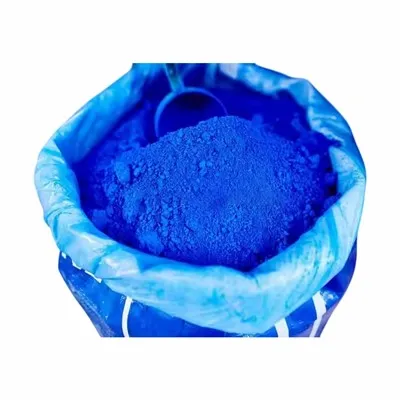
How do solvent dyes work?
Leave a message

Solvent dyes are a fascinating category of colorants that have a wide range of applications, from coloring plastics to enhancing the look of inks and coatings. As a solvent dyes supplier, I've had the privilege of seeing firsthand how these dyes work and the impact they can have. In this blog, I'll break down the science behind solvent dyes, explain how they function, and touch on some of their common uses.
What Are Solvent Dyes?
Let's start with the basics. Solvent dyes are a type of dye that's soluble in organic solvents rather than water. Unlike water - soluble dyes, which are great for things like textile dyeing, solvent dyes are designed to dissolve in substances such as alcohols, esters, and hydrocarbons. This solubility gives them unique properties and makes them suitable for specific applications.
How Do They Work at the Molecular Level?
The key to understanding how solvent dyes work lies in their molecular structure. Solvent dyes are made up of organic molecules that have a particular affinity for organic solvents. These molecules contain chromophores, which are groups of atoms responsible for the absorption and reflection of light. When light hits a solvent - dyed material, the chromophores in the dye molecules absorb certain wavelengths of light and reflect others. The wavelengths that are reflected are what we perceive as color.
For example, if a solvent dye absorbs blue light and reflects red light, the material dyed with that solvent dye will appear red to our eyes. The specific color of the dye depends on the structure of the chromophore and the way it interacts with light.
Solubility and Compatibility
One of the most important aspects of solvent dyes is their solubility. Solvent dyes need to dissolve completely in the solvent to ensure an even and consistent color. The solubility of a solvent dye depends on several factors, including the chemical structure of the dye and the nature of the solvent.
As a solvent dyes supplier, I often get asked about compatibility. Different solvents have different polarities, and the dye needs to be compatible with the solvent in which it's being used. For instance, if you're using a non - polar solvent like toluene, you'll need a solvent dye that's also non - polar. Otherwise, the dye may not dissolve properly, leading to an uneven color or even precipitation.
Applications of Solvent Dyes
Solvent dyes have a wide range of applications across various industries.
Plastics
In the plastics industry, solvent dyes are used to color plastic products. They offer excellent color strength and heat stability, which is crucial when the plastic is being processed at high temperatures. For example, Solvent Red 149 is a popular choice for coloring plastics because it provides a bright red color and can withstand the heat of the injection - molding process.
Inks
Solvent dyes are also commonly used in inks. They can be used in both printing inks and writing inks. In printing inks, solvent dyes provide vibrant colors and good adhesion to the printing substrate. For instance, Solvent Red 135 is often used in offset printing inks to create a rich red color.
Coatings
In the coatings industry, solvent dyes are used to add color to paints and varnishes. They can enhance the aesthetic appeal of the coating and provide UV resistance in some cases. Solvent Red 168 is a great example of a solvent dye that can be used in coatings to create a deep red color.
Advantages of Using Solvent Dyes
There are several advantages to using solvent dyes. Firstly, they offer high color strength. A small amount of solvent dye can go a long way in coloring a large amount of material. This means that you can achieve a vivid color with a relatively low cost.
Secondly, solvent dyes have good lightfastness. They can resist fading when exposed to sunlight or other sources of light, which is important for products that will be used outdoors or in areas with high light exposure.

Finally, solvent dyes are versatile. They can be used in a variety of solvents and can be applied to different materials, making them suitable for a wide range of applications.
Challenges and Considerations
While solvent dyes have many advantages, there are also some challenges and considerations. One of the main challenges is the environmental impact. Some solvents used with solvent dyes can be harmful to the environment and human health. As a solvent dyes supplier, we're constantly looking for more environmentally friendly solvents and dyes to meet the growing demand for sustainable products.
Another consideration is the compatibility with other additives. When using solvent dyes in a formulation, you need to make sure that they're compatible with other ingredients such as stabilizers, antioxidants, and fillers. Otherwise, you may encounter issues such as precipitation or reduced performance.
How to Choose the Right Solvent Dye
Choosing the right solvent dye depends on several factors. Firstly, you need to consider the application. If you're coloring plastics, you'll need a dye that has good heat stability. If you're using it in inks, you'll need a dye that has good solubility in the ink solvent and provides good printability.
Secondly, you need to consider the color. Different solvent dyes offer different colors, and you'll need to choose the one that meets your specific color requirements.
Finally, you need to consider the cost. While solvent dyes offer high color strength, the cost can vary depending on the type of dye and its availability.
Conclusion
Solvent dyes are a versatile and powerful tool for adding color to a variety of materials. Understanding how they work at the molecular level, their solubility, and their applications is crucial for getting the best results. As a solvent dyes supplier, I'm always here to help you choose the right dye for your needs.
If you're interested in purchasing solvent dyes or have any questions about our products, feel free to reach out. We're more than happy to discuss your requirements and help you find the perfect solution for your coloring needs.
References
- "Handbook of Dyes and Pigments" by Krishna P. Chattopadhyay
- "Color Chemistry: Synthesis, Properties and Applications of Organic Dyes and Pigments" by Klaus Hunger