

How to store Acid Black Att to extend its shelf - life?
Leave a message

Hey there! I'm a supplier of Acid Black Att, and I know how crucial it is to store this dye properly to extend its shelf-life. In this blog, I'll share some practical tips and tricks based on my experience in the industry.
First off, let's understand what Acid Black Att is. It's a type of acid dye, which are widely used in the textile industry for dyeing wool, silk, and nylon. Acid dyes are known for their bright colors and good fastness properties. But like any other chemical product, Acid Black Att has a limited shelf-life, and improper storage can significantly reduce its effectiveness.
Understanding the Factors Affecting Shelf-Life
Before we dive into the storage methods, it's important to know what factors can affect the shelf-life of Acid Black Att. The main culprits are light, heat, moisture, and air.
- Light: Exposure to direct sunlight or strong artificial light can cause the dye to degrade over time. The UV rays in sunlight can break down the chemical structure of the dye, leading to a loss of color intensity and quality.
- Heat: High temperatures can accelerate the chemical reactions within the dye, causing it to deteriorate faster. This can result in changes in color, solubility, and dyeing performance.
- Moisture: Moisture can cause the dye to clump together, making it difficult to dissolve and use. It can also promote the growth of mold and bacteria, which can further contaminate the dye.
- Air: Oxygen in the air can react with the dye, leading to oxidation and degradation. This can cause the dye to change color and lose its effectiveness.
Ideal Storage Conditions
Now that we know what factors to avoid, let's talk about the ideal storage conditions for Acid Black Att.
- Temperature: The best temperature for storing Acid Black Att is between 10°C and 30°C (50°F and 86°F). Avoid storing the dye in areas that are too hot or too cold, such as near heaters, air conditioners, or in unheated storage sheds.
- Humidity: The relative humidity should be kept below 60%. You can use a dehumidifier in the storage area to control the humidity levels. Make sure the storage area is well-ventilated to prevent the buildup of moisture.
- Light: Store the dye in a dark place, away from direct sunlight and strong artificial light. You can use opaque containers or store the dye in a closet or storage room.
- Air: Keep the dye in a sealed container to prevent air from getting in. Make sure the container is clean and dry before filling it with the dye.
Storage Containers
The choice of storage container is also important. Here are some tips on choosing the right container for Acid Black Att.

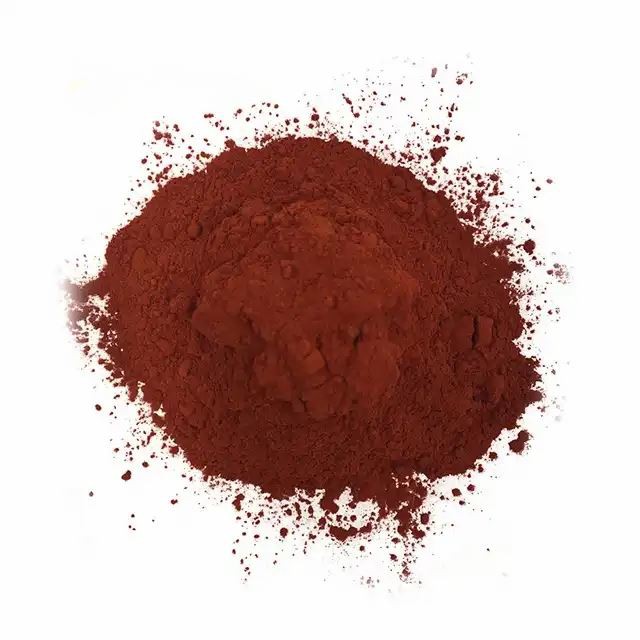
- Material: Use containers made of materials that are resistant to the dye and the storage conditions. Plastic containers made of high-density polyethylene (HDPE) or polypropylene (PP) are good choices. Glass containers can also be used, but they are more fragile and may break if dropped.
- Size: Choose a container that is the right size for the amount of dye you need to store. Avoid using containers that are too large, as this can leave a lot of air space in the container, which can accelerate the degradation of the dye.
- Seal: Make sure the container has a tight-fitting lid to prevent air and moisture from getting in. You can use containers with screw caps or snap-on lids.
Handling and Transfer
When handling and transferring Acid Black Att, it's important to take some precautions to prevent contamination and degradation.
- Cleanliness: Make sure your hands, tools, and containers are clean before handling the dye. Wash your hands thoroughly with soap and water, and use clean spatulas or scoops to transfer the dye.
- Avoid Spills: Be careful when pouring or transferring the dye to avoid spills. If a spill occurs, clean it up immediately using a damp cloth or paper towel.
- Transfer in a Controlled Environment: Transfer the dye in a clean, dry, and well-ventilated area. Avoid transferring the dye in areas where there is a lot of dust or other contaminants.
Regular Inspection
It's a good idea to regularly inspect your stored Acid Black Att to check for any signs of degradation or contamination. Here are some things to look for:
- Color Changes: Check if the color of the dye has changed. If the dye has become darker, lighter, or has developed a different hue, it may be a sign of degradation.
- Clumping or Caking: If the dye has clumped together or formed cakes, it may be due to moisture or improper storage. Try to break up the clumps gently using a spatula or a fork.
- Odor: If the dye has a strange or unpleasant odor, it may be a sign of contamination or degradation. Do not use the dye if it has an abnormal odor.
Comparison with Other Acid Dyes
Acid Black Att is just one of many acid dyes available in the market. Here's a quick comparison with some other popular acid dyes like Acid Red 92, Acid Blue 7, and Acid Blue 9.
- Color: Acid Red 92 is a bright red dye, Acid Blue 7 is a blue dye, and Acid Blue 9 is a brilliant blue dye. Acid Black Att, as the name suggests, is a black dye.
- Shelf-Life: The shelf-life of these dyes can vary depending on the storage conditions. However, following the same storage guidelines as for Acid Black Att can help extend their shelf-life.
- Applications: All these acid dyes are used in the textile industry, but they may have different applications depending on the fabric type and the desired color.
Conclusion
Proper storage of Acid Black Att is essential to extend its shelf-life and ensure its quality and performance. By following the tips and guidelines outlined in this blog, you can keep your Acid Black Att in good condition for a longer time.
If you're interested in purchasing Acid Black Att or have any questions about its storage or use, feel free to reach out. I'm always here to help and can provide you with more information and support. Let's work together to make your dyeing projects a success!
References
- Textile Dyeing Handbook, Third Edition, by Peter F. Gordon and Paul Gregory
- Acid Dyes: Chemistry and Application, by R. M. Christie


