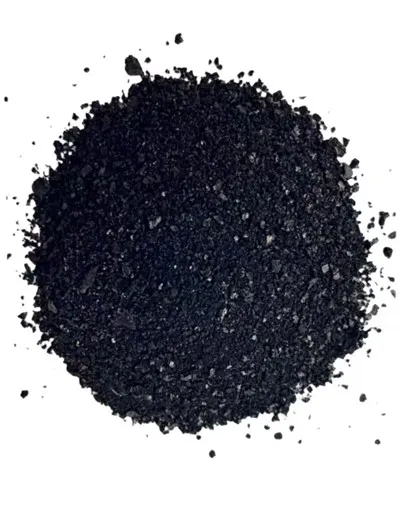
New Trends in Eco-Friendly Dyeing: High-Purity Sulfur Black Solutions With Low-Sulfur And Zero-H2S Emissions
Leave a message
As global environmental regulations for the textile dyeing industry grow increasingly strict, the wastewater and sulfide gas emissions generated during traditional sulfur dyeing have become a major pain point for sustainable development.
Environmental Challenges of Traditional Sulfur Dyeing
Traditional sulfur black dyeing relies on sodium sulfide as a reducing agent. This process easily releases hydrogen sulfide (H2S) gas-which is pungent and corrosive to equipment-while generating high concentrations of sulfide ions (S2-) in the wastewater, severely overloading water treatment systems.
Technological Breakthroughs of Our Eco-Friendly Sulfur Black
To help textile enterprises achieve a green, low-carbon transition, we have introduced a new generation of high-purity, low-sulfur / zero-H2S emission sulfur black:
- Low Residual Sulfur Content: Advanced post-treatment refining processes drastically reduce free sulfur and inorganic salt content within the dye itself.
- Eco-Friendly Reduction System Compatibility: Works seamlessly with sulfur-free or low-sulfur reduction systems (e.g., glucose, organic reducing agents), eliminating H2S gas generation at the source.
- Significant COD and Sulfide Reduction: Substantially lowers wastewater treatment difficulty and chemical costs, helping enterprises meet discharge standards with ease.
Environmental compliance is not just a regulatory requirement-it is a core competitive advantage. Choose eco-friendly sulfur black to achieve superior black shades without compromising green production goals.