

What is the recommended dosage of Direct Red Me?
Leave a message

As a supplier of Direct Red Me, one of the most common questions I receive from customers is about the recommended dosage of this product. In this blog post, I will delve into the factors that influence the dosage of Direct Red Me and provide some general guidelines to help you achieve the best results.
Understanding Direct Red Me
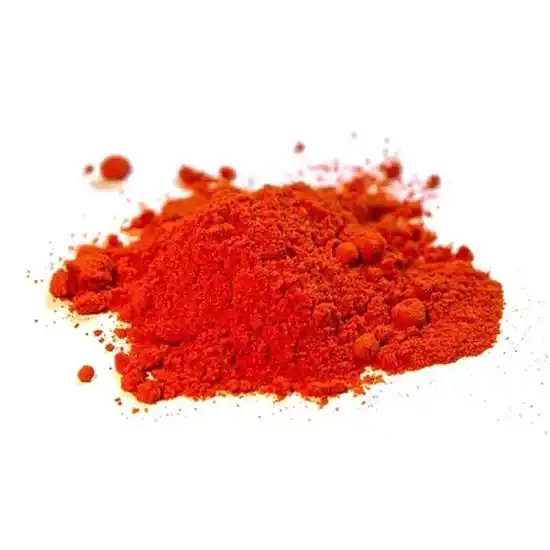
Direct Red Me is a type of direct dye, which means it can be applied directly to the substrate without the need for a mordant. These dyes are widely used in various industries, including textile, paper, and leather, due to their ease of application and good color fastness properties. They work by forming a physical bond with the fibers of the substrate, resulting in a relatively stable color.
Factors Affecting the Dosage of Direct Red Me
Several factors can influence the appropriate dosage of Direct Red Me for a particular application. Here are some of the key considerations:
Substrate Type
Different substrates have different absorption capacities for dyes. For example, natural fibers such as cotton and wool tend to absorb dyes more readily than synthetic fibers like polyester. As a result, you may need to use a higher dosage of Direct Red Me when dyeing synthetic fibers to achieve the same color intensity as natural fibers.

Desired Color Intensity
The dosage of Direct Red Me will also depend on how intense you want the color to be. If you are aiming for a light shade, you can use a lower dosage, while a darker shade will require a higher dosage. It's important to note that using too much dye can lead to over-dyeing, which may result in a loss of color fastness and a less uniform appearance.
Dyeing Method
The method of dyeing you choose can also affect the dosage of Direct Red Me. For example, in exhaust dyeing, where the substrate is immersed in a dye bath, the dye is gradually absorbed by the fibers over time. In this case, you may need to use a higher initial dosage to ensure that enough dye is available for absorption. On the other hand, in continuous dyeing processes, such as pad dyeing, the substrate is passed through a dye solution and then dried, which may require a different dosage strategy.
Water Quality
The quality of the water used in the dyeing process can also impact the dosage of Direct Red Me. Hard water, which contains high levels of calcium and magnesium ions, can react with the dye and reduce its effectiveness. In such cases, you may need to use a higher dosage of dye or add a water softener to the dye bath to improve the dyeing results.
General Dosage Guidelines
While the exact dosage of Direct Red Me will vary depending on the factors mentioned above, here are some general guidelines to get you started:
Textile Dyeing
- Light Shades: For light shades of Direct Red Me on natural fibers such as cotton, a dosage of 0.1% - 0.5% (based on the weight of the fabric) is usually sufficient. For synthetic fibers, you may need to increase the dosage to 0.5% - 1%.
- Medium Shades: To achieve medium shades, use a dosage of 0.5% - 2% for natural fibers and 1% - 3% for synthetic fibers.
- Dark Shades: For dark shades, a dosage of 2% - 5% for natural fibers and 3% - 6% for synthetic fibers is recommended.
Paper Dyeing
- Light Shades: A dosage of 0.05% - 0.2% (based on the weight of the paper) is typically used for light shades of Direct Red Me in paper dyeing.
- Medium Shades: For medium shades, use a dosage of 0.2% - 0.5%.
- Dark Shades: A dosage of 0.5% - 1% is recommended for dark shades.
Leather Dyeing
- Light Shades: For light shades on leather, a dosage of 0.1% - 0.3% (based on the weight of the leather) is usually adequate.
- Medium Shades: Use a dosage of 0.3% - 0.6% for medium shades.
- Dark Shades: A dosage of 0.6% - 1.5% is recommended for dark shades.
It's important to note that these are just general guidelines, and you may need to adjust the dosage based on your specific requirements and the results of your test dyeings.
Importance of Testing
Before dyeing a large batch of substrate, it's always a good idea to conduct a small-scale test dyeing to determine the optimal dosage of Direct Red Me. This will allow you to adjust the dosage as needed and ensure that you achieve the desired color intensity and quality.
Other Direct Dyes in Our Portfolio
In addition to Direct Red Me, we also offer a range of other direct dyes, including Direct Yellow 2gl, irect Red 4b, and Direct Rubine Bl. These dyes can be used alone or in combination with Direct Red Me to create a wide variety of colors and effects.
Contact Us for More Information
If you have any further questions about the recommended dosage of Direct Red Me or any of our other products, please don't hesitate to contact us. Our team of experts is always available to provide you with personalized advice and support to help you achieve the best results in your dyeing processes. Whether you are a small business or a large industrial manufacturer, we are committed to providing you with high-quality products and excellent customer service.
References
- "Textile Dyeing and Finishing", by Lewis, D. M.
- "The Chemistry of Synthetic Dyes", by K. Venkataraman
- "Dyeing of Paper", by G. A. Smook


