

What is the quality of paper dyed with direct dyes?
Leave a message

When it comes to the world of paper dyeing, direct dyes stand out as a popular and effective choice. As a direct dyes supplier, I've witnessed firsthand the impact these dyes have on the quality of dyed paper. In this blog post, I'll delve into the various aspects of the quality of paper dyed with direct dyes, exploring their characteristics, advantages, and the factors that influence the final outcome.
Characteristics of Direct Dyes
Direct dyes are water - soluble dyes that can be applied directly to the substrate, in this case, paper, without the need for a mordant. They are known for their simplicity of application and the wide range of colors they can produce. These dyes contain sulfonic acid groups, which make them soluble in water and allow them to form direct bonds with the cellulose fibers in paper.
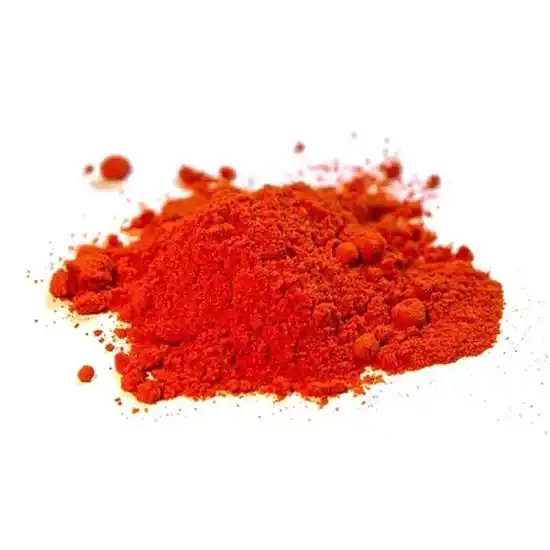
One of the key characteristics of direct dyes is their ability to provide bright and vivid colors. Whether you're looking for a deep, rich black like Direct Black Vsf, a vibrant red such as Direct Red 4b, or a versatile black like Direct Black Ef, direct dyes can deliver. The color range is extensive, from primary colors to secondary and tertiary hues, enabling paper manufacturers to create a diverse range of products.
Advantages of Using Direct Dyes for Paper Dyeing
1. Ease of Application
As mentioned earlier, direct dyes can be applied directly to paper. This simplicity of application reduces the complexity and cost of the dyeing process. Paper manufacturers can use straightforward dyeing methods such as immersion or padding, which are relatively easy to implement in a production environment. This ease of use also means that less specialized equipment is required, making it accessible for both large - scale and small - scale paper producers.

2. Good Color Fastness
Direct dyes generally offer satisfactory color fastness properties. They have a certain level of resistance to fading when exposed to light, water, and other environmental factors. This is crucial for paper products that need to maintain their color over time, such as packaging materials, books, and stationery. While the color fastness may not be as high as some other types of dyes in extreme conditions, it is sufficient for most common applications.
3. Compatibility with Cellulose Fibers
Since paper is mainly made of cellulose fibers, direct dyes have a natural affinity for them. The dyes can form strong physical and chemical bonds with the cellulose, resulting in a relatively stable coloration. This compatibility ensures that the dye is evenly distributed throughout the paper, providing a uniform and consistent color across the entire surface.
4. Cost - Effectiveness
Direct dyes are often more cost - effective compared to some other types of dyes. Their relatively low cost, combined with the simplicity of the dyeing process, makes them an attractive option for paper manufacturers looking to balance quality and cost. This cost - effectiveness allows for greater flexibility in pricing paper products, which can be a competitive advantage in the market.
Factors Influencing the Quality of Paper Dyed with Direct Dyes
1. Dye Concentration
The concentration of the direct dye in the dye bath plays a significant role in the final color intensity of the paper. A higher dye concentration will generally result in a deeper and more saturated color. However, if the concentration is too high, it can lead to uneven dyeing, dye aggregation, and potential problems with color fastness. On the other hand, a very low dye concentration may result in a pale and less vibrant color. Paper manufacturers need to carefully control the dye concentration based on the desired color and the type of paper being dyed.
2. Dyeing Temperature
The temperature at which the dyeing process takes place can affect the quality of the dyed paper. Higher temperatures can increase the rate of dye diffusion into the paper fibers, leading to faster and more complete dyeing. However, excessive heat can also cause damage to the paper fibers, resulting in a loss of strength and other physical properties. Different direct dyes have optimal dyeing temperatures, and it is essential to follow the recommended temperature range for each specific dye to achieve the best results.
3. pH of the Dye Bath
The pH of the dye bath is another critical factor. Direct dyes are sensitive to pH changes, and the optimal pH range for dyeing can vary depending on the type of dye. Generally, a slightly alkaline or neutral pH is preferred for most direct dyes. Deviating from the optimal pH can affect the solubility of the dye, the dye - fiber interaction, and the overall color quality. Paper manufacturers need to monitor and adjust the pH of the dye bath to ensure consistent and high - quality dyeing.
4. Paper Properties
The properties of the paper itself, such as its porosity, fiber composition, and surface smoothness, can influence the quality of the dyed paper. More porous papers tend to absorb the dye more readily, which can result in a more intense color. However, they may also be more prone to uneven dyeing if the dye is not evenly distributed in the dye bath. Papers with different fiber compositions may have different affinities for direct dyes, and this needs to be taken into account when selecting the appropriate dye and dyeing conditions.
Assessing the Quality of Dyed Paper
1. Color Evaluation
Color evaluation is one of the most important aspects of assessing the quality of dyed paper. This can be done visually by comparing the dyed paper to a color standard or using color - measuring instruments such as spectrophotometers. These instruments can provide objective data on color parameters such as hue, saturation, and lightness, allowing for more accurate quality control.
2. Color Fastness Testing
To ensure that the dyed paper will maintain its color over time, color fastness testing is essential. This includes tests for light fastness, water fastness, and rubbing fastness. Light fastness testing involves exposing the dyed paper to a specific light source for a certain period and then evaluating the degree of color change. Water fastness testing assesses how the color withstands contact with water, while rubbing fastness testing measures the resistance of the color to rubbing.
3. Physical Property Testing
In addition to color - related tests, it is also important to test the physical properties of the dyed paper, such as its strength, tear resistance, and smoothness. Dyeing can potentially affect these properties, and any significant changes may impact the usability of the paper. For example, if the dyeing process weakens the paper fibers, it may not be suitable for applications that require high - strength paper.
Conclusion
The quality of paper dyed with direct dyes is influenced by a variety of factors, including the characteristics of the dyes themselves, the dyeing process parameters, and the properties of the paper. Direct dyes offer many advantages, such as ease of application, good color fastness, compatibility with cellulose fibers, and cost - effectiveness. By carefully controlling the dyeing process and considering the specific requirements of the paper product, paper manufacturers can achieve high - quality dyed paper with vibrant and long - lasting colors.
If you're a paper manufacturer or involved in the paper industry and are interested in exploring the use of direct dyes for your products, I encourage you to reach out to me. As a direct dyes supplier, I can provide you with high - quality dyes, technical support, and guidance on the dyeing process. Let's work together to create paper products that stand out in the market with their exceptional color and quality.
References
- Zollinger, H. (2003). Color Chemistry: Syntheses, Properties and Applications of Organic Dyes and Pigments. Wiley - VCH.
- Lewis, D. M. (2007). The Theory of Dyeing of Textile Fibres. The Textile Institute.
- Ingamells, W. J. (1997). Handbook of Dyes and Chemicals for the Textile Industry. Woodhead Publishing.


