

What are the alternative dyes to Acid Red 87?
Leave a message

As a supplier of Acid Red 87, I've encountered numerous inquiries from customers seeking alternative dyes. Acid Red 87, available at Acid Red 87, has been a popular choice in various industries for its specific color and dyeing properties. However, there are several factors that may prompt customers to look for alternatives, such as cost, environmental concerns, or specific application requirements. In this blog post, I'll explore some of the alternative dyes to Acid Red 87 and discuss their characteristics.
1. Acid Blue 9
Acid Blue 9 is one of the potential alternatives to Acid Red 87. While it has a different color (blue instead of red), it shares some similar chemical properties in terms of being an acid dye. Acid dyes are known for their excellent solubility in water and their ability to dye protein fibers such as wool, silk, and nylon effectively.
Acid Blue 9 offers a vibrant and intense blue color that can be used in a variety of applications. In the textile industry, it can be used to create unique color combinations with other dyes. For example, when combined with yellow dyes, it can produce green shades, which can be very appealing in fashion and home textile products.
One of the advantages of Acid Blue 9 is its relatively high lightfastness. Lightfastness refers to the ability of a dye to resist fading when exposed to light. This is an important property, especially for products that will be displayed in areas with high sunlight exposure, such as outdoor fabrics or window treatments.
In terms of cost, Acid Blue 9 may be more or less expensive than Acid Red 87 depending on market conditions. However, its performance in terms of color strength and durability can sometimes justify the cost.
2. Acid Red 92
Acid Red 92 is another alternative that is closer in color to Acid Red 87. It belongs to the same class of acid dyes and has similar dyeing mechanisms. Acid Red 92 has a bright and vivid red color that can be used as a direct replacement for Acid Red 87 in many applications.
One of the key differences between Acid Red 92 and Acid Red 87 is their chemical structure. This difference can lead to variations in dyeing properties. For example, Acid Red 92 may have a different affinity for certain fibers compared to Acid Red 87. It may also have different solubility characteristics, which can affect the ease of dyeing.
Acid Red 92 is often used in the food and beverage industry as a colorant. It is approved for use in many countries and has a good safety profile. In the textile industry, it can be used to dye natural and synthetic fibers, producing red shades that are similar to those obtained with Acid Red 87.
Another advantage of Acid Red 92 is its good washfastness. Washfastness is the ability of a dye to resist fading or bleeding during washing. This is crucial for textile products that need to maintain their color after multiple washes, such as clothing and bedding.
3. Natural Dyes
In recent years, there has been a growing interest in natural dyes as alternatives to synthetic dyes like Acid Red 87. Natural dyes are derived from plants, animals, or minerals and are considered more environmentally friendly.
One example of a natural red dye is cochineal. Cochineal is obtained from the dried bodies of female cochineal insects. It has been used for centuries to produce red dyes and is known for its rich and intense color. Cochineal can be used to dye a variety of materials, including wool, silk, and cotton.
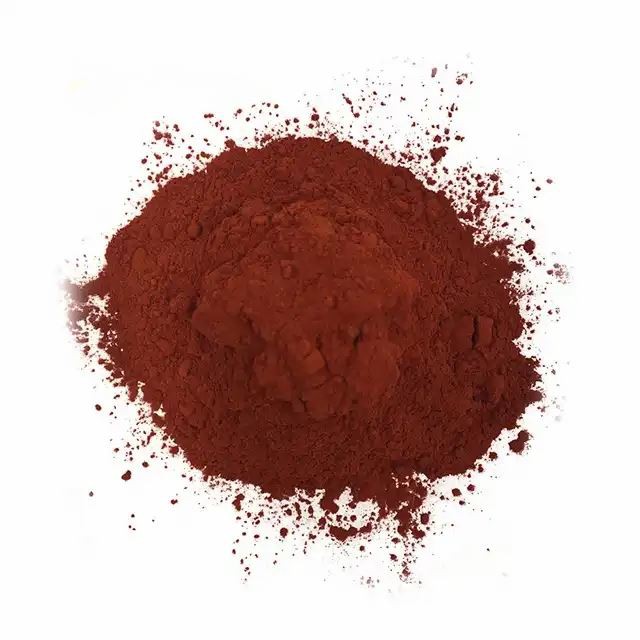

Another natural red dye is madder. Madder is a plant that contains alizarin, a red pigment. It has been used in traditional textile dyeing for a long time. Madder can produce a range of red shades, from light pink to deep red, depending on the dyeing process and the mordant used.
However, natural dyes also have some limitations. They are often more expensive to produce than synthetic dyes, and their color may vary depending on the source and quality of the raw materials. In addition, the dyeing process for natural dyes can be more complex and time - consuming compared to synthetic dyes.
4. Reactive Dyes
Reactive dyes are another type of alternative to Acid Red 87. Reactive dyes work by forming a covalent bond with the fiber molecules, which results in excellent color fastness.
Reactive dyes are commonly used to dye cellulose fibers such as cotton, linen, and rayon. They can produce a wide range of colors, including red shades. One of the advantages of reactive dyes is their high washfastness and lightfastness. This makes them suitable for products that will be subjected to frequent washing and sunlight exposure.
However, reactive dyes require a more complex dyeing process compared to acid dyes. They often need to be applied in an alkaline environment, and the dyeing process may involve multiple steps, such as pre - treatment, dyeing, and fixation. This can increase the cost and time of the dyeing process.
5. Disperse Dyes
Disperse dyes are mainly used for dyeing synthetic fibers such as polyester, nylon, and acetate. They are insoluble in water and are dispersed in the dye bath using dispersing agents.
Disperse dyes can produce bright and vivid colors, including red shades. They have good heat resistance, which makes them suitable for applications where the dyed fabric will be subjected to high - temperature processes, such as ironing or heat setting.
One of the limitations of disperse dyes is their poor affinity for natural fibers. So, they are not a suitable alternative for applications where natural fibers are used.
Conclusion
As a supplier of Acid Red 87, I understand that customers may have different reasons for seeking alternative dyes. Whether it's due to cost, environmental concerns, or specific application requirements, there are several options available. Acid Blue 9, Acid Red 92, natural dyes, reactive dyes, and disperse dyes all have their own unique characteristics and advantages.
If you are considering an alternative to Acid Red 87 for your specific application, I encourage you to contact me for more information. I can provide samples and technical support to help you make the best decision. Let's have a detailed discussion about your needs, and we can explore the most suitable dyeing solution together.
References
- "Textile Dyeing and Finishing" by Shirley Temple Black
- "The Chemistry of Synthetic Dyes" by K. Venkataraman
- "Natural Dyes: Sources, Tradition, Technology, and Science" by Richard P. Blackburn


