

How is Acid Red 92 used in drug formulations?
Leave a message

Hey there! As a supplier of Acid Red 92, I'm super excited to share with you how this amazing dye is used in drug formulations. Let's dive right in!
What's Acid Red 92 Anyway?
First off, let's get to know Acid Red 92 a bit better. It's a synthetic acid dye that's part of a big family of dyes used in various industries. You can check out more details about it on our website Acid Red 92. This dye has some unique properties that make it a great choice for drug formulations. It's water - soluble, which is a huge plus when it comes to mixing it with different drug ingredients. And it has good stability under certain conditions, meaning it won't break down easily during the manufacturing process or storage of drugs.
Why Use Acid Red 92 in Drugs?
You might be wondering, why do we even need to use dyes in drugs? Well, there are a few reasons. Firstly, it helps with identification. There are so many different drugs out there, and having a distinct color can make it easier for healthcare providers and patients to tell them apart. For example, if a particular painkiller is always a bright red color thanks to Acid Red 92, it's less likely to be confused with other medications.
Secondly, it can improve patient acceptance. Let's face it, some drugs don't look very appealing in their natural state. By adding a bit of color, we can make them more visually appealing. This is especially important for pediatric and geriatric patients who might be more hesitant to take a medicine that looks unappetizing.
How Acid Red 92 is Incorporated into Drug Formulations
Now, let's talk about the nitty - gritty of how Acid Red 92 is used in drug formulations. There are mainly two types of drug forms where it's commonly used: solid dosage forms and liquid dosage forms.
Solid Dosage Forms
In solid dosage forms like tablets and capsules, Acid Red 92 can be used in a few different ways. One common method is to add it to the coating of the tablet or capsule. The coating not only gives the drug its color but also serves other purposes. It can protect the drug from moisture, light, and oxygen, which can degrade the active ingredients.
To apply the coating, the Acid Red 92 is usually dissolved in a suitable solvent along with other coating materials like polymers. The mixture is then sprayed onto the tablets or capsules in a coating pan. As the solvent evaporates, a thin, colored film is left behind on the surface of the dosage form. This process requires careful control of temperature, humidity, and spraying parameters to ensure a uniform and smooth coating.
Another way to use Acid Red 92 in solid dosage forms is to incorporate it directly into the tablet matrix. This is done during the granulation process. The dye is mixed with the active pharmaceutical ingredient (API), excipients (like fillers, binders, and disintegrants), and then granulated. The granules are then compressed into tablets. This method ensures that the color is evenly distributed throughout the tablet, but it requires more careful consideration of the compatibility between the dye and the other ingredients.
Liquid Dosage Forms
In liquid dosage forms such as syrups, suspensions, and solutions, Acid Red 92 is simply dissolved in the liquid. The solubility of Acid Red 92 in water makes it easy to incorporate into these formulations. However, we need to be careful about the pH of the liquid. The color of Acid Red 92 can be affected by the pH of the solution. In an acidic environment, it might have a different shade compared to a basic environment. So, we usually adjust the pH of the liquid formulation to ensure that the desired color is achieved and maintained over time.
Safety Considerations
When it comes to using Acid Red 92 in drug formulations, safety is of utmost importance. Before a dye can be used in drugs, it has to go through a rigorous approval process. Regulatory authorities like the FDA in the United States and the EMA in Europe have strict guidelines regarding the use of dyes in pharmaceuticals.
Acid Red 92 has been tested for its toxicity and safety. It has been found to be generally safe for use in drug formulations within the approved limits. However, some people might have allergies or sensitivities to the dye. So, it's important for healthcare providers to be aware of this and for patients to inform their doctors if they have any known allergies to dyes.
Comparison with Other Dyes
There are other acid dyes out there that can also be used in drug formulations, such as Acid Red 87 and Acid Blue 7. Each dye has its own unique properties.
Acid Red 87, for example, might have a different color intensity or solubility compared to Acid Red 92. The choice between these two dyes depends on the specific requirements of the drug formulation. If a more intense red color is needed, Acid Red 87 might be a better choice. On the other hand, if better solubility in a particular solvent is required, Acid Red 92 could be the way to go.
Acid Blue 7, being a blue dye, is used when a different color is desired. It can be used in combination with Acid Red 92 to create unique color blends for drugs. For example, if a purple - colored drug is needed, a mixture of Acid Red 92 and Acid Blue 7 can be used.
Conclusion
In conclusion, Acid Red 92 is a versatile and important ingredient in drug formulations. It plays a crucial role in drug identification and patient acceptance. Whether it's in solid or liquid dosage forms, it can be incorporated in various ways to achieve the desired color and performance.
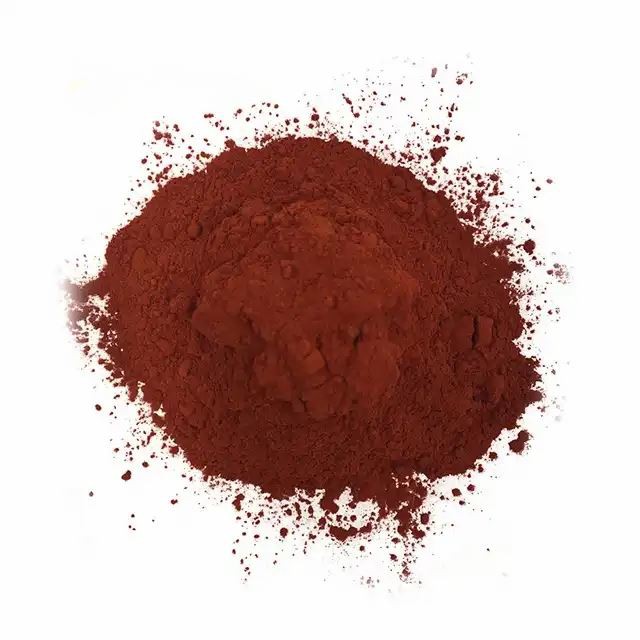

If you're in the pharmaceutical industry and are looking for a reliable source of Acid Red 92, look no further. We're here to provide you with high - quality Acid Red 92 that meets all the regulatory requirements. Contact us to start a procurement discussion and see how we can help you with your drug formulation needs.
References
- Handbook of Pharmaceutical Excipients
- Journal of Pharmaceutical Sciences
- Regulatory guidelines from FDA and EMA


