

How does Acid Black Att affect the texture of the dyed material?
Leave a message

Hey there! As a supplier of Acid Black Att, I've been getting a lot of questions lately about how this dye affects the texture of the materials it's used on. So, I thought I'd take some time to dive into this topic and share what I've learned over the years.
First off, let's talk a bit about Acid Black Att itself. Acid Black Att is a popular acid dye that's widely used in the textile industry. It's known for its deep, rich black color and excellent colorfastness. But how does it interact with different materials and change their texture?
How Acid Black Att Works
Acid dyes like Acid Black Att work by binding to the fibers of the material through ionic bonds. These bonds form between the acidic groups in the dye and the basic groups in the fibers. This process usually happens in an acidic environment, which helps to activate the dye and make it more reactive.

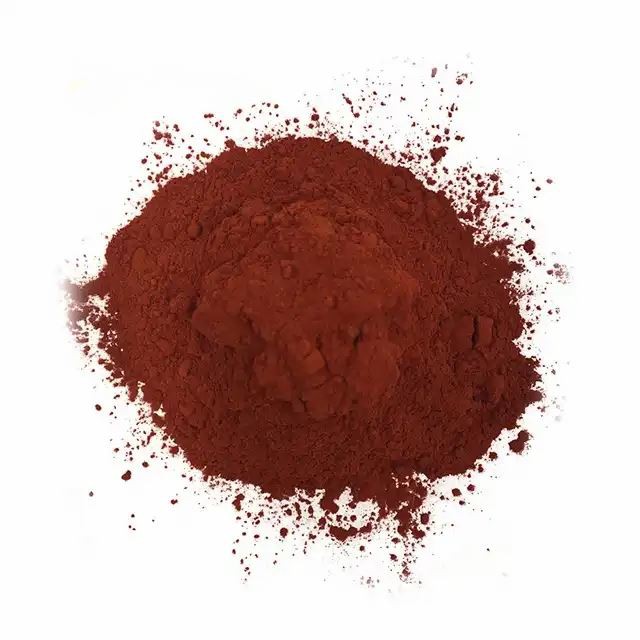
When Acid Black Att is applied to a material, it penetrates into the fibers. The extent of penetration depends on several factors, including the type of fiber, the dyeing conditions (like temperature, time, and pH), and the concentration of the dye. Once inside the fibers, the dye molecules attach themselves to the fiber molecules, creating a strong bond that gives the material its color.
Impact on Natural Fibers
Wool
Wool is one of the most common materials dyed with Acid Black Att. Wool fibers have a complex structure with a lot of amino groups, which are basic and can easily form ionic bonds with the acid dye. When Acid Black Att is used on wool, it can have a few different effects on the texture.
On the positive side, the dyeing process can actually make the wool feel softer. This is because the dye molecules can help to lubricate the fibers, reducing friction between them. As a result, the wool may feel smoother and more luxurious to the touch.
However, if the dyeing process is not carefully controlled, it can also have a negative impact on the texture. Over - dyeing or using too high a temperature can cause the wool fibers to become brittle and lose their elasticity. This can make the wool feel harsh and less comfortable to wear.
Silk
Silk is another natural fiber that Acid Black Att is often used on. Silk fibers are made up of protein molecules, which also have basic groups that can react with the acid dye. Similar to wool, Acid Black Att can enhance the softness of silk. The dye molecules can fill in the small gaps between the silk fibers, making the fabric feel more compact and smooth.
But again, improper dyeing can lead to problems. If the pH of the dye bath is too low or the temperature is too high, the silk fibers can be damaged. This can result in a loss of the silk's natural sheen and a rougher texture.
Impact on Synthetic Fibers
Nylon
Nylon is a synthetic fiber that is also commonly dyed with acid dyes like Acid Black Att. Nylon fibers have amide groups that can form ionic bonds with the acid dye. When dyed with Acid Black Att, nylon can take on a deep, even color.
In terms of texture, the dyeing process can make the nylon feel stiffer. This is because the dye molecules can cause the nylon fibers to swell slightly, which changes the way they interact with each other. However, this stiffness can sometimes be beneficial, especially in applications where a more structured fabric is needed.
Acrylic
Acrylic fibers are a bit more resistant to acid dyes compared to nylon and natural fibers. But with the right dyeing conditions, Acid Black Att can still be used to color acrylic. When the dye does penetrate the acrylic fibers, it can make the fabric feel slightly heavier and more substantial.
The dye molecules can also change the surface properties of the acrylic fibers. This can affect how the fabric feels against the skin, sometimes making it feel a bit smoother or more slippery.
Factors Affecting the Texture Change
Dye Concentration
The concentration of Acid Black Att in the dye bath plays a big role in how it affects the texture of the material. A higher concentration of dye means more dye molecules will penetrate the fibers. This can lead to a more intense color, but it can also increase the chances of the material becoming stiffer or harsher.
On the other hand, a lower concentration of dye may result in a lighter color and less of an impact on the texture. The material may retain more of its original softness and flexibility.
Dyeing Temperature
Temperature is another crucial factor. Higher temperatures generally speed up the dyeing process, allowing the dye molecules to penetrate the fibers more quickly. But if the temperature is too high, it can cause damage to the fibers. For example, in the case of wool, high temperatures can cause the fibers to shrink and felt, which will significantly change the texture.
Lower temperatures may result in a slower dyeing process, but they can also be gentler on the fibers, helping to preserve the original texture of the material.
pH of the Dye Bath
The pH of the dye bath affects the reactivity of the Acid Black Att. A lower pH (more acidic) environment makes the dye more reactive, which can lead to better color uptake. However, an extremely low pH can be harsh on the fibers and may cause damage.
A higher pH may result in less efficient dyeing, but it can also be less damaging to the texture of the material. Finding the right pH balance is essential for achieving the desired color and texture.
Other Acid Dyes for Comparison
It's worth mentioning that there are other acid dyes out there, like Acid Red 87 and Acid Red 92. These dyes work in a similar way to Acid Black Att, but they have different chemical structures and properties.
Acid Red 87 and Acid Red 92 may have different effects on the texture of the dyed materials. For example, they may penetrate the fibers differently or form different types of bonds with the fiber molecules. This can result in variations in how the dyed material feels, such as differences in softness, smoothness, or stiffness.
Conclusion
In conclusion, Acid Black Att can have a significant impact on the texture of the materials it's used to dye. Whether it's making natural fibers softer or changing the stiffness of synthetic fibers, the dyeing process needs to be carefully controlled to achieve the desired results.
If you're in the market for Acid Black Att or have any questions about how it can be used to dye your materials, I'd love to help. I've got years of experience as a supplier and can offer advice on the best dyeing techniques to get the perfect color and texture for your products.
If you're interested in learning more or starting a procurement discussion, feel free to reach out. I'm here to work with you to find the best solutions for your dyeing needs.
References
- "Textile Dyeing and Finishing" by Lewis M. Schoffel
- "Acid Dyes: Chemistry and Application" by various authors in the textile chemistry field


