

Can liquid dyes be used for dyeing denim?
Leave a message

Hey there! As a supplier of liquid dyes, I often get asked whether liquid dyes can be used for dyeing denim. Well, the short answer is yes! But there's a lot more to it than that, so let's dive in and explore this topic in detail.
The Basics of Denim Dyeing
Denim is a durable cotton twill fabric that's commonly used to make jeans, jackets, and other clothing items. The characteristic blue color of denim comes from indigo dye, which has been used for centuries. Traditional denim dyeing processes involve soaking the fabric in large vats of indigo dye multiple times to achieve the desired color intensity.
However, the demand for more diverse colors and patterns in denim has led to the exploration of alternative dyeing methods and dyes. This is where liquid dyes come into play.

Advantages of Using Liquid Dyes for Denim Dyeing
1. Versatility
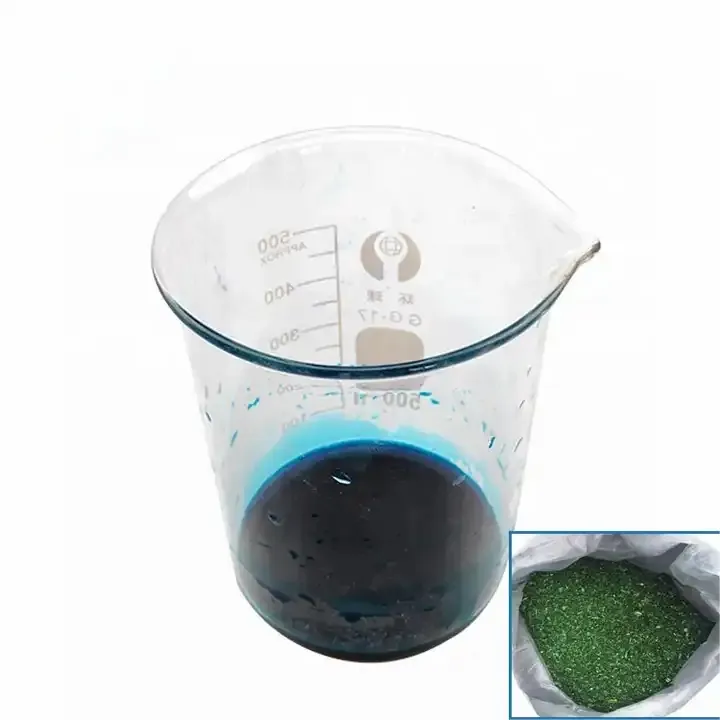
One of the biggest advantages of liquid dyes is their versatility. Unlike traditional indigo dyeing, which is mainly limited to shades of blue, liquid dyes come in a wide range of colors. For example, you can check out our Liquid Yellow 11 and Liquid Malachite Green for some vibrant and unique color options. This allows denim manufacturers to create a variety of colored denim products, from bright and bold to subtle and pastel shades.
2. Ease of Use
Liquid dyes are generally easier to work with compared to other types of dyes. They can be easily mixed with water or other solvents, and the dyeing process can be more precisely controlled. This means that manufacturers can achieve consistent color results across different batches of denim. Plus, the liquid form makes it easier to apply the dye evenly on the fabric, whether it's through immersion dyeing, spray dyeing, or other methods.
3. Cost - Effectiveness
In some cases, liquid dyes can be more cost - effective than traditional dyes. They often require less energy and water during the dyeing process, which can lead to significant cost savings in the long run. Additionally, since liquid dyes can be easily adjusted in terms of concentration, manufacturers can use just the right amount of dye needed for the job, reducing waste.
4. Environmental Friendliness
Many liquid dyes are formulated to be more environmentally friendly. They may have lower levels of harmful chemicals and pollutants compared to some traditional dyes. For example, our Liquid Sulphur Black is designed to meet strict environmental standards, which is not only good for the planet but also for the reputation of denim manufacturers.
Challenges of Using Liquid Dyes for Denim Dyeing
1. Color Fastness
One of the main challenges when using liquid dyes for denim is achieving good color fastness. Denim is a fabric that is often subjected to a lot of wear and tear, including washing, rubbing, and exposure to sunlight. Liquid dyes need to be able to withstand these conditions without fading or bleeding. To address this issue, manufacturers may need to use special fixing agents or post - treatment processes to improve the color fastness of the dyed denim.
2. Compatibility with Denim Fabric
Not all liquid dyes are compatible with denim fabric. Denim has a unique structure and composition, and some dyes may not penetrate the fabric evenly or may react with the cotton fibers in an undesirable way. It's important to test the liquid dyes on small samples of denim before starting a large - scale dyeing operation to ensure compatibility.
3. Color Matching
Matching colors can be a challenge when using liquid dyes. Unlike traditional indigo dyeing, where the color is relatively consistent across different manufacturers, liquid dyes may vary slightly in color depending on the batch and the supplier. This can make it difficult to achieve an exact color match, especially when trying to replicate a specific color from a previous production run.
Dyeing Process with Liquid Dyes
1. Pretreatment
Before dyeing the denim with liquid dyes, it's important to pre - treat the fabric. This usually involves washing the denim to remove any dirt, oils, or sizing agents that may interfere with the dyeing process. The fabric may also be treated with a mordant or a leveling agent to help the dye penetrate the fabric evenly.
2. Dye Preparation
The liquid dyes need to be properly prepared before use. This may involve diluting the dye with water or other solvents to the desired concentration. The pH of the dye solution may also need to be adjusted to ensure optimal dyeing results.
3. Dyeing
There are several methods for dyeing denim with liquid dyes, including immersion dyeing, spray dyeing, and pad dyeing. Immersion dyeing involves soaking the denim in a large vat of dye solution for a certain period of time. Spray dyeing is a more targeted method, where the dye is sprayed onto the fabric. Pad dyeing involves passing the denim through a bath of dye solution and then squeezing out the excess dye.
4. Post - Treatment
After dyeing, the denim may need to undergo post - treatment processes to improve color fastness and remove any excess dye. This can include washing the fabric with a special detergent, treating it with a fixing agent, or applying a protective coating.
Conclusion
So, can liquid dyes be used for dyeing denim? Absolutely! They offer a range of advantages, including versatility, ease of use, cost - effectiveness, and environmental friendliness. However, there are also some challenges that need to be addressed, such as color fastness and compatibility. With the right techniques and careful planning, liquid dyes can be a great option for denim manufacturers looking to create unique and high - quality colored denim products.
If you're a denim manufacturer or someone interested in using our liquid dyes for your projects, I'd love to have a chat with you. We can discuss your specific needs, provide samples, and work together to find the best dyeing solutions for your business. Don't hesitate to reach out for a friendly and productive procurement discussion.
References
- "Textile Dyeing and Finishing" by R. Trotman
- "The Handbook of Denim" by Christopher W. Rider


