

Are there any health risks associated with acid dyes?
Leave a message

Hey there! I'm a supplier of acid dyes, and I often get asked about the health risks associated with these colorful substances. So, I thought I'd sit down and have a chat with you about it.
First off, let's talk about what acid dyes are. Acid dyes are a type of synthetic dye that are commonly used in the textile, leather, and paper industries. They're called "acid dyes" because they're usually applied in an acidic solution. These dyes are known for their bright colors and good colorfastness, which makes them a popular choice for a variety of applications.
Now, when it comes to health risks, it's important to understand that the potential hazards of acid dyes can vary depending on a few factors, such as the specific type of dye, how it's used, and the level of exposure.

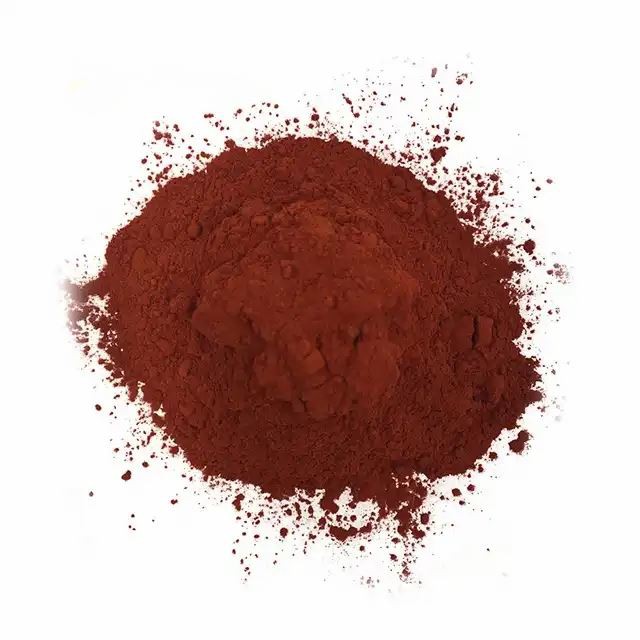
Possible Health Risks
One of the main concerns with acid dyes is their potential to cause skin and eye irritation. Some acid dyes can be quite harsh on the skin, especially if they come into direct contact for an extended period. If you're handling acid dyes without proper protection, like gloves and goggles, you might experience redness, itching, or even burns on your skin. In the eyes, they can cause irritation, pain, and in severe cases, damage to the cornea.
Another risk is related to inhalation. When acid dyes are in powder form, there's a chance that tiny particles can become airborne. If you breathe in these particles, they can irritate your respiratory system. This might lead to coughing, wheezing, shortness of breath, or other respiratory problems. People with pre - existing respiratory conditions, like asthma, may be particularly sensitive to these effects.
Some acid dyes have also been linked to potential carcinogenicity. Certain dyes contain chemicals that have been classified as possible or probable carcinogens by various health organizations. For example, some older formulations of acid dyes may have contained aromatic amines, which are known to be cancer - causing agents. However, modern regulations have significantly reduced the use of such harmful substances in acid dyes.
Specific Acid Dyes and Their Risks
Let's take a look at a few specific acid dyes and their associated risks.
Acid Red 92 is a commonly used acid dye. While it's widely used in the textile industry to achieve bright red colors, it has been the subject of some safety studies. Some research has suggested that Acid Red 92 may have the potential to cause allergic reactions in some individuals. Allergic reactions can range from mild skin rashes to more severe systemic reactions in rare cases.
Acid Blue 7 is another well - known acid dye. It's often used in the dyeing of wool and silk. Similar to other acid dyes, it can cause skin and eye irritation. There have also been concerns about its environmental impact, as it can be difficult to break down in the environment. If released into waterways, it can have negative effects on aquatic life.
Acid Red 87 is used for a variety of applications, including dyeing leather and paper. It has been shown to have some toxic effects on the liver and kidneys in animal studies. Although the levels of exposure in these studies were much higher than what a typical worker or consumer might encounter, it's still something to be aware of.
Minimizing Health Risks
As a supplier, I'm very aware of these potential health risks, and I take steps to ensure that my customers can use our acid dyes safely.
First of all, we provide detailed safety data sheets (SDS) with every order. These SDSs contain information about the chemical composition of the dyes, their potential hazards, and the recommended safety precautions. This includes instructions on how to handle the dyes safely, what personal protective equipment (PPE) to use, and what to do in case of an accident or exposure.
When it comes to handling acid dyes, proper ventilation is crucial. If you're working with acid dyes in a factory or workshop, make sure there's good air circulation to reduce the risk of inhaling airborne particles. Wearing appropriate PPE, such as gloves, goggles, and a respirator, is also essential. This will protect your skin, eyes, and respiratory system from potential exposure.
It's also important to follow the recommended usage guidelines. Don't use more dye than necessary, and make sure to use the correct pH and temperature conditions during the dyeing process. This not only ensures the best results but also helps to minimize the risk of releasing harmful substances.
Conclusion
So, to answer the question, yes, there are some health risks associated with acid dyes. However, with proper handling, safety precautions, and the use of modern, regulated dyes, these risks can be significantly minimized.
As a supplier, I'm committed to providing high - quality acid dyes that meet all the necessary safety standards. If you're in the market for acid dyes for your textile, leather, or paper - related business, I'd love to have a chat with you. We can discuss your specific needs, the safety aspects of our products, and how we can work together to ensure a successful and safe dyeing process. Don't hesitate to reach out if you have any questions or want to start a procurement discussion.
References
- "Textile Dyes: Chemistry, Properties, and Applications" by various authors.
- Safety data sheets provided by chemical regulatory agencies.
- Scientific research papers on the toxicology of acid dyes.


